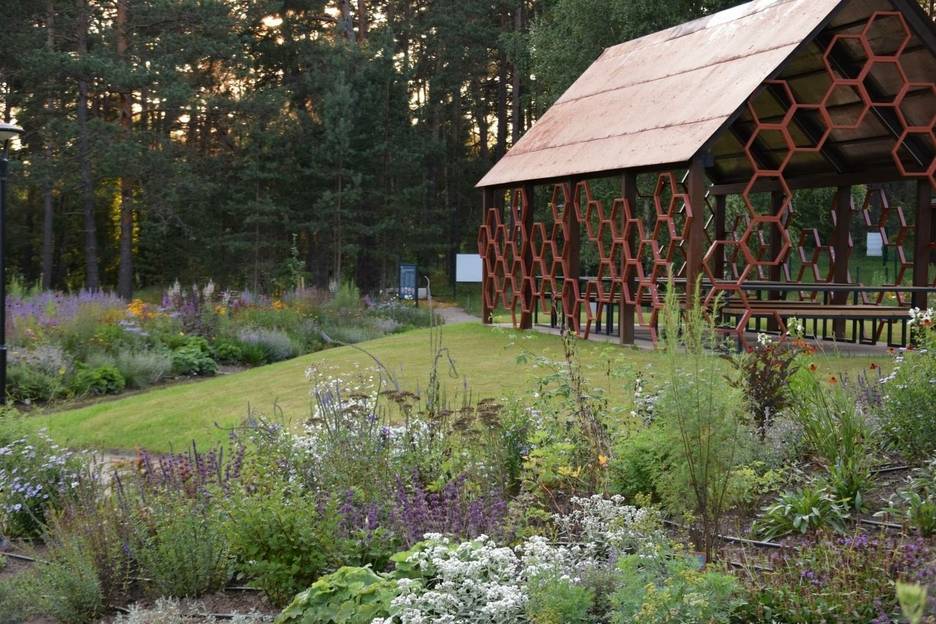
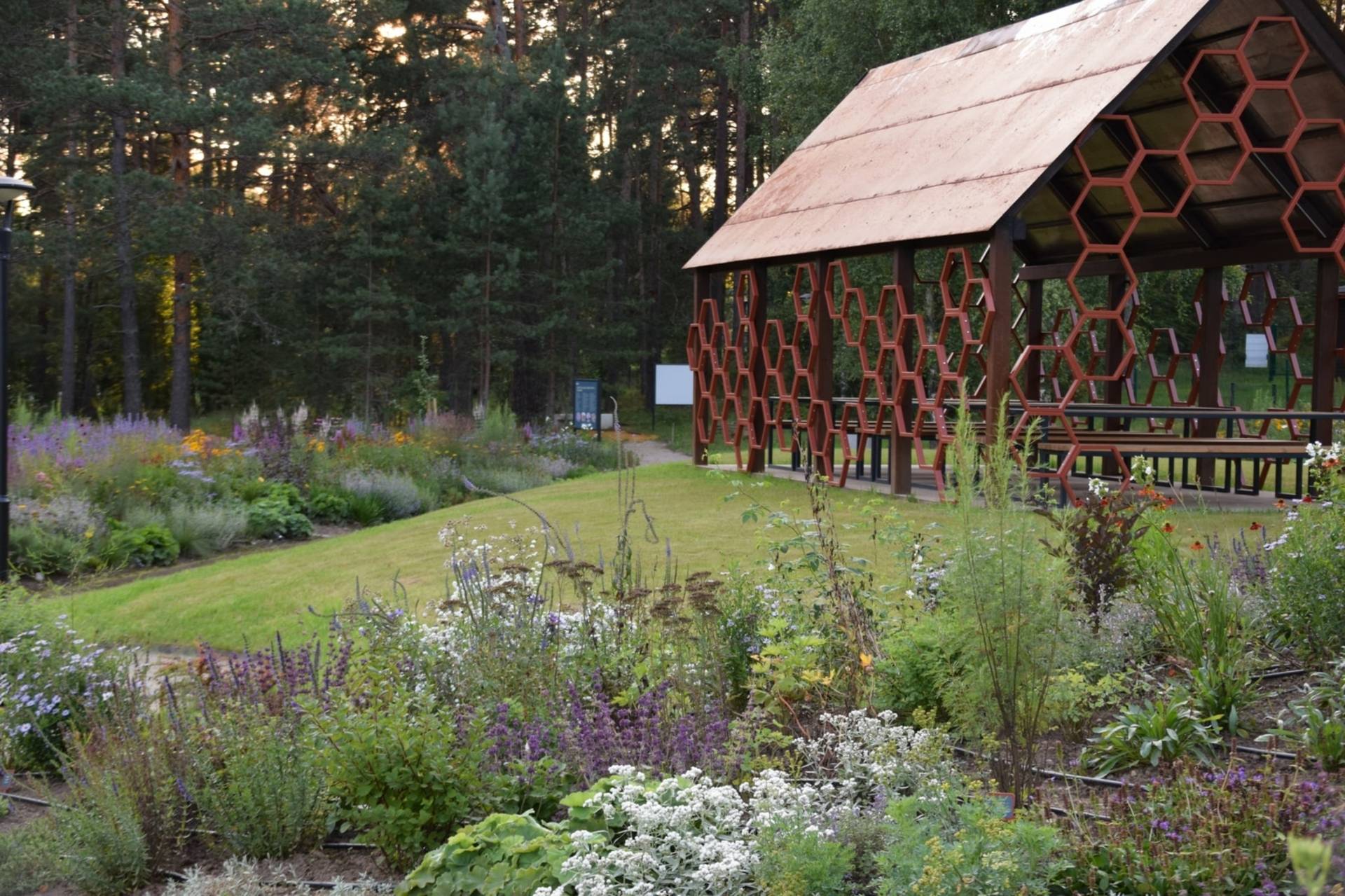
These plantings are part of the GREEN STORIES project (LL-00188) implemented by the administration of Aukštaitija National Park and Labanoras Regional Park under the 2021–2027 Interreg VI-A Latvia–Lithuania Cross-Border Cooperation Programme, aimed at biodiversity conservation and raising public awareness and knowledge in the field of nature protection.
The area has been landscaped to create outdoor educational spaces for learning about historical regional plants. The planted gardens reflect the plants historically grown in rural areas, manor estates, and towns in Eastern Lithuania. These three plant groups are displayed in separate gardens, highlighting the diversity of cultivated plants and their arrangement features. Information stands have been installed to provide a more detailed presentation of the different groups, introducing park visitors to plants that have traditionally been cultivated for centuries in rural, urban, and manor estate settings. The plant assortment was selected based on the historical plant inventory and lists compiled during the project.
.
.JPG)
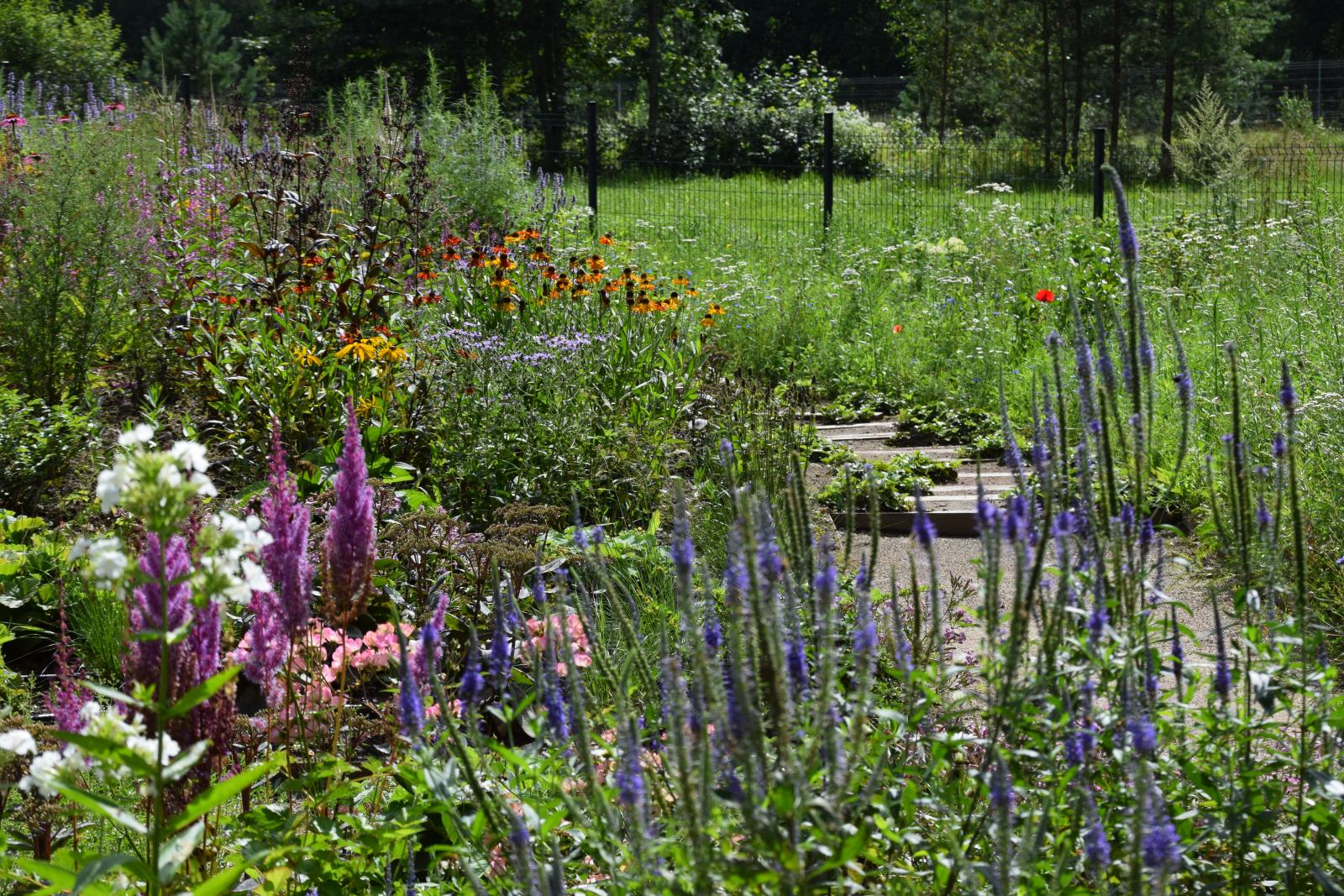
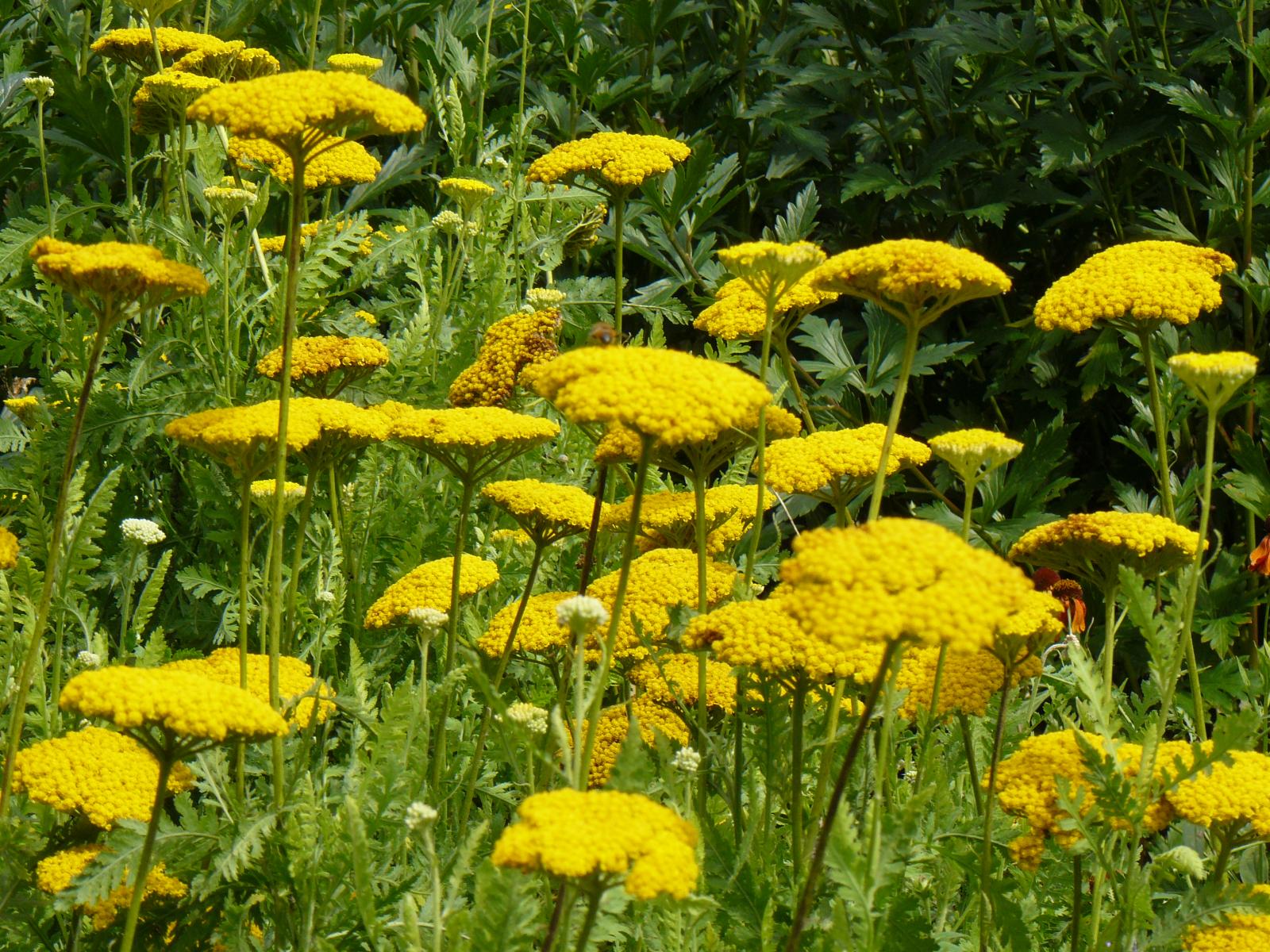
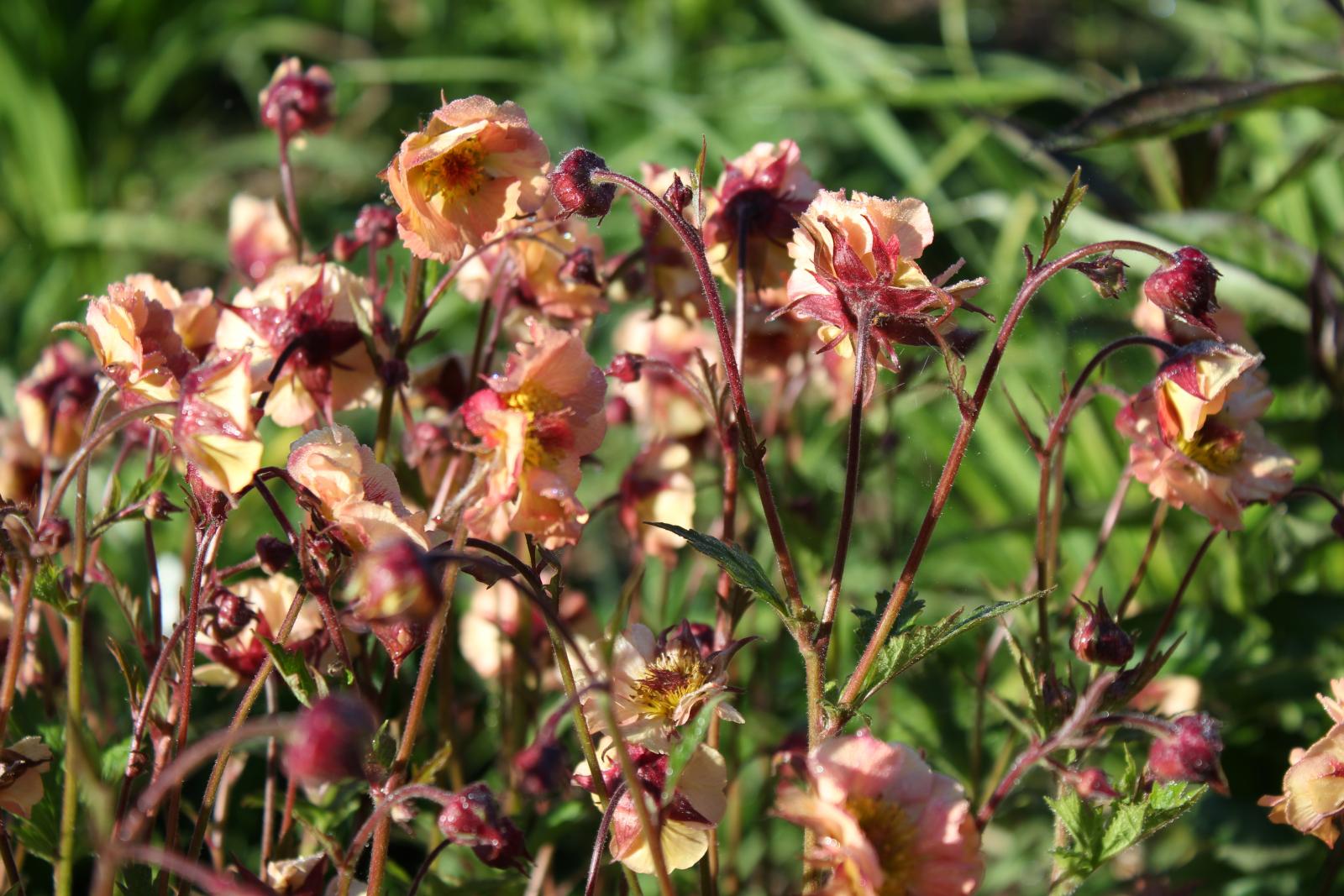
Next to the historical rural and manor plant exhibits, a modern garden area has been created, where historically grown plants are integrated with species popular in contemporary landscaping. This exhibit aims to show visitors that old and new can blend harmoniously in a garden, creating a modern, profound, and unexpected visual experience.
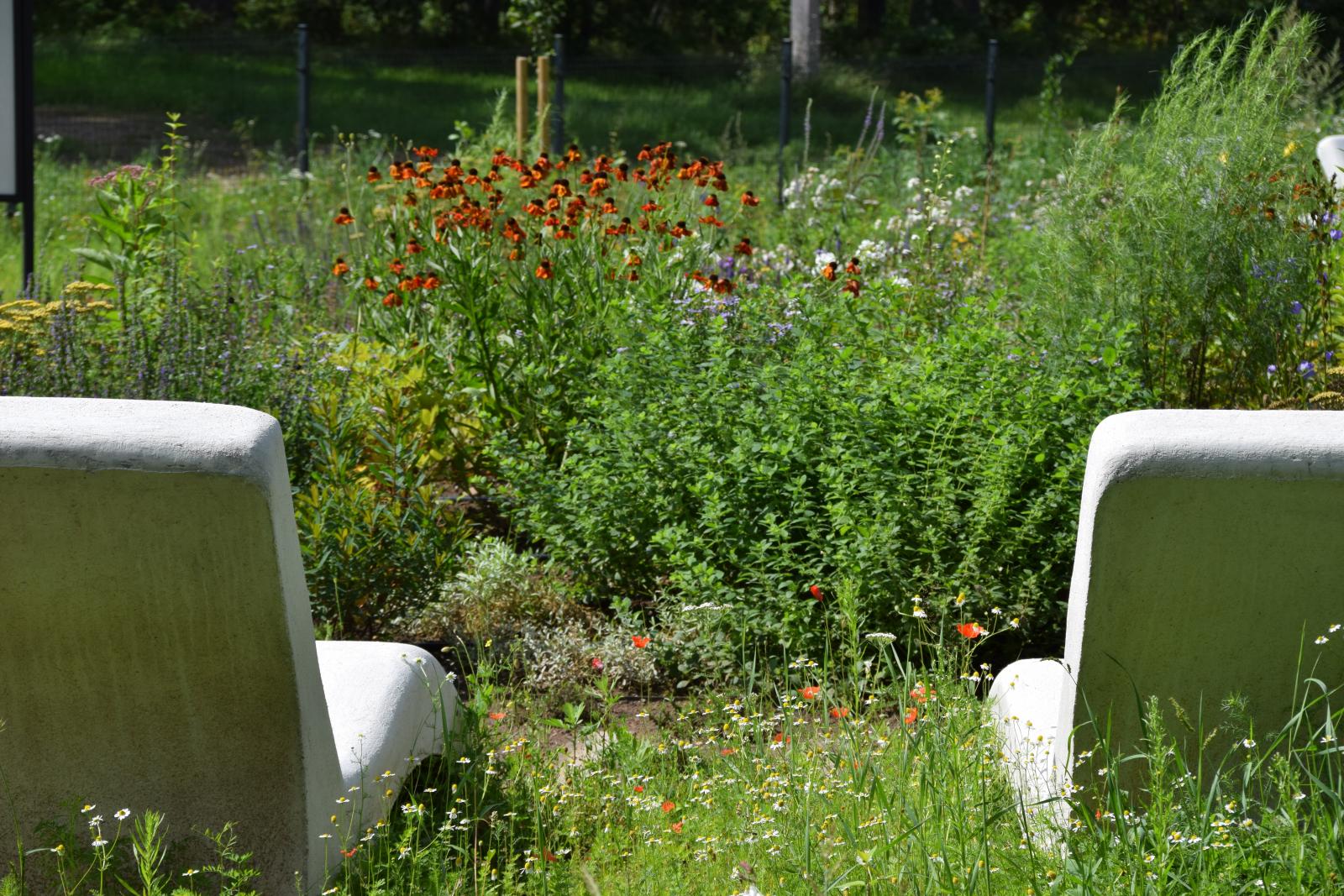
At the edges of the area, a 10.5-are flowering meadow has been sown, demonstrating how larger areas can be landscaped sustainably and modernly, both in cities and in rural estates. This approach is environmentally friendly, allowing new communities of insects, plants, animals, and microorganisms to establish and existing ones to expand.
The garden paths are not continuous – in several places, they are interrupted by low groundcover plants, which can be walked on barefoot, encouraging visitors to explore and enjoy nature.
.JPG)
GARDEN: MANOR ESTATE GARDEN
Lithuanian manors, once not only economic and cultural centers but also well-tended oases, impressed with their plant diversity. Manor parks and gardens were carefully designed, reflecting European fashions of the time, the owners’ tastes, and even scientific knowledge. Both woody and herbaceous plants were cultivated, each serving a decorative or practical purpose.
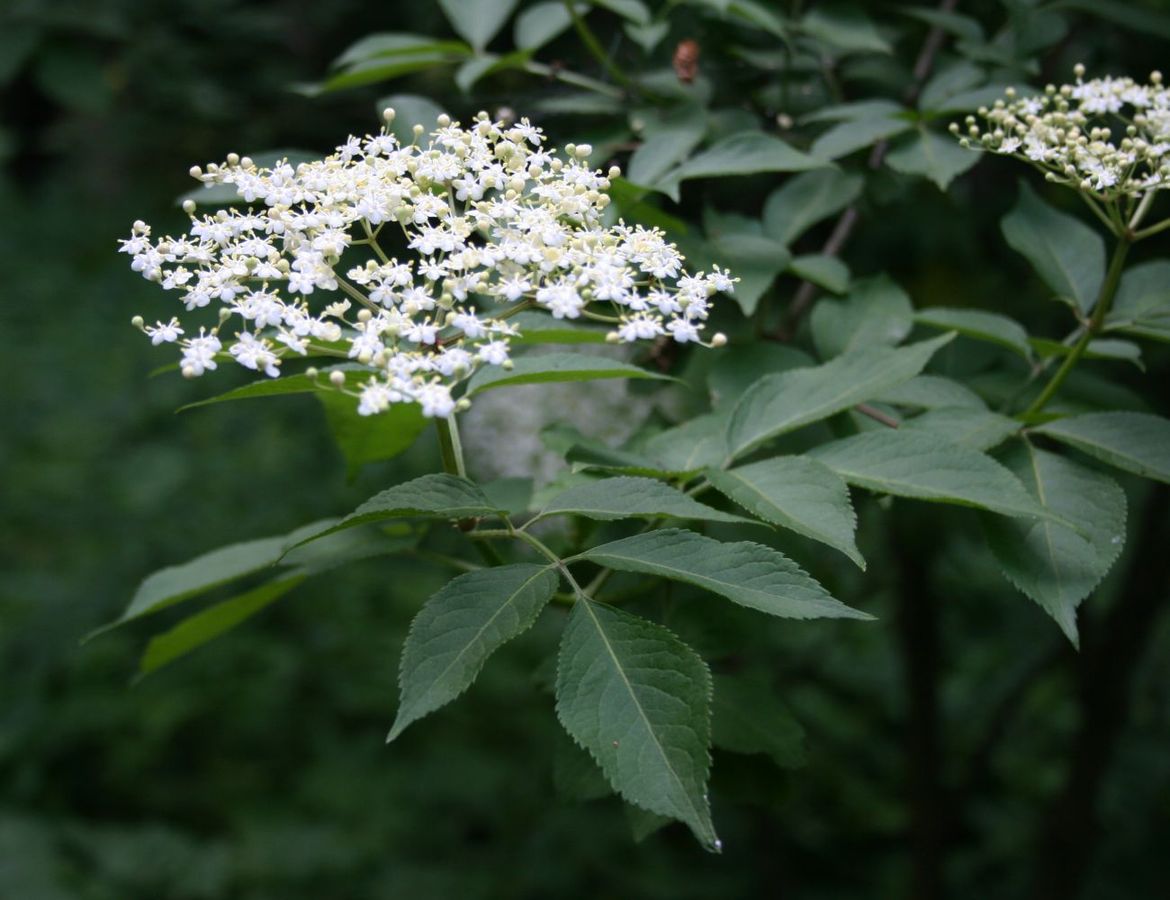
Among woody plants, local trees were particularly popular: lindens, oaks, ashes, and maples. They formed the park’s structural framework, created alleys, and provided shade. Alongside them, with the Age of Discovery, exotic trees also reached the manors, such as silver firs, yews, and beeches. These imported species enriched the landscape and demonstrated the owners’ ability to import and care for rare species. Shrubs, such as lilacs, jasmines, and roses, were often planted for hedges, fragrance, or decorative accents. Evergreen junipers and pines gave life to the parks even in the coldest months.
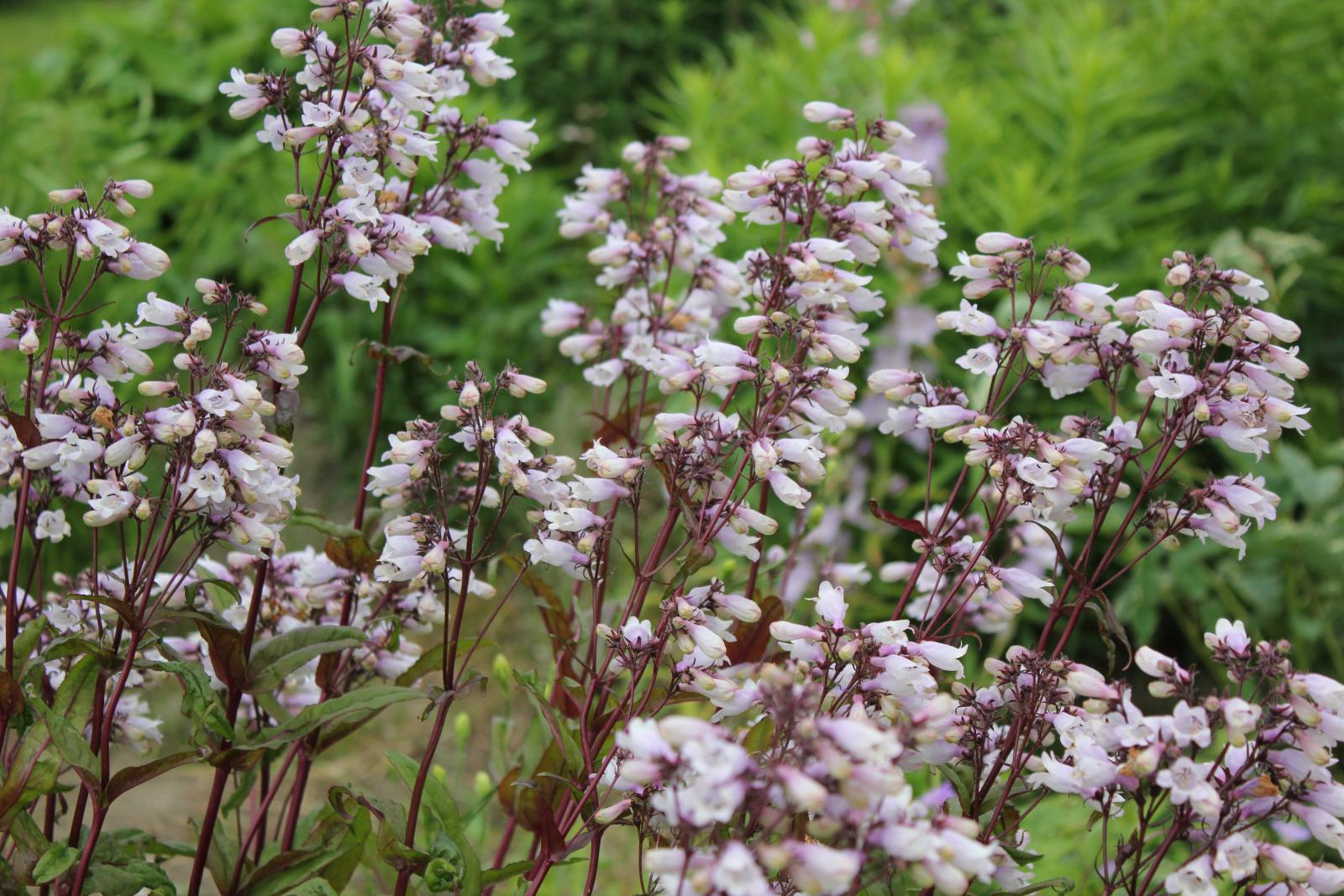
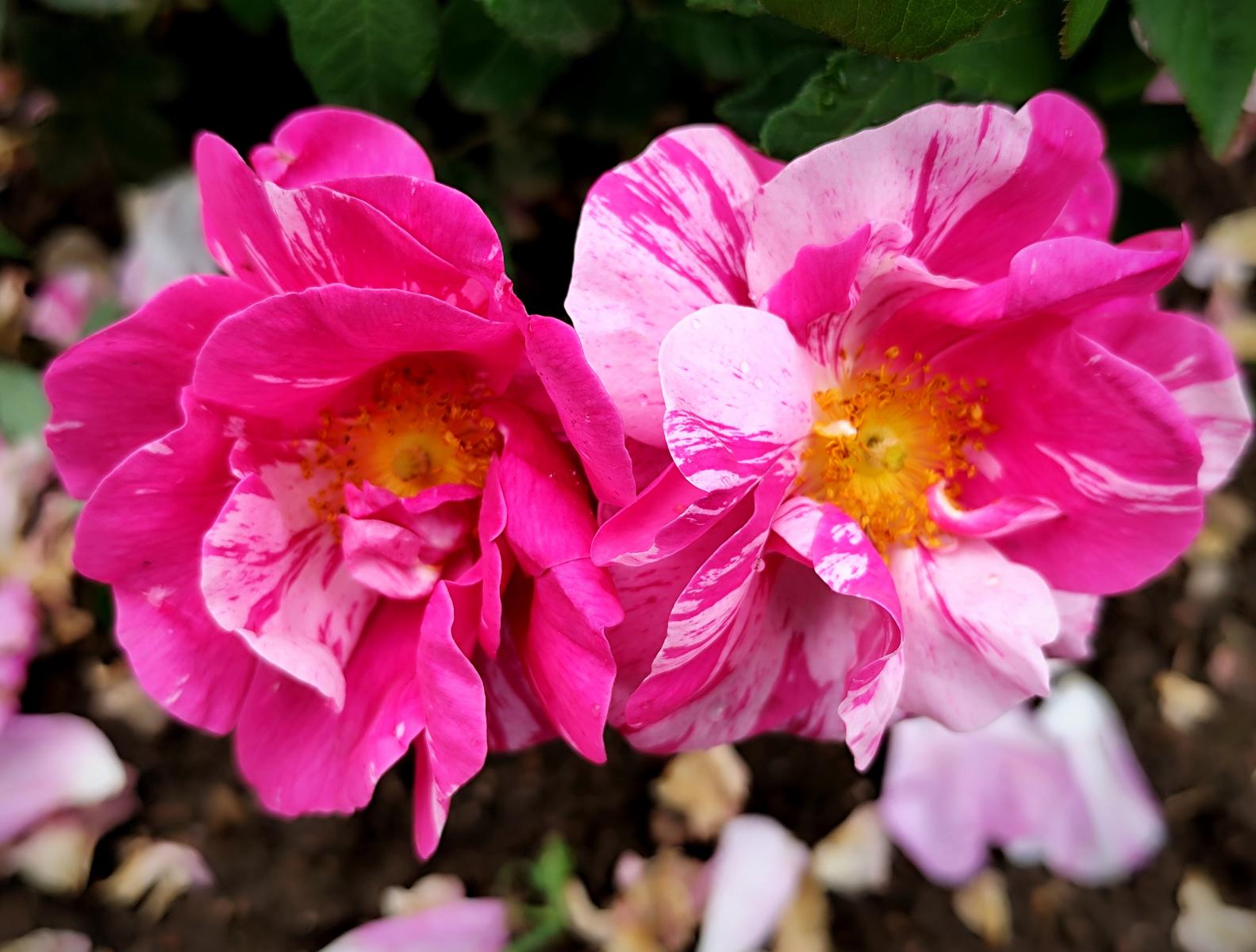
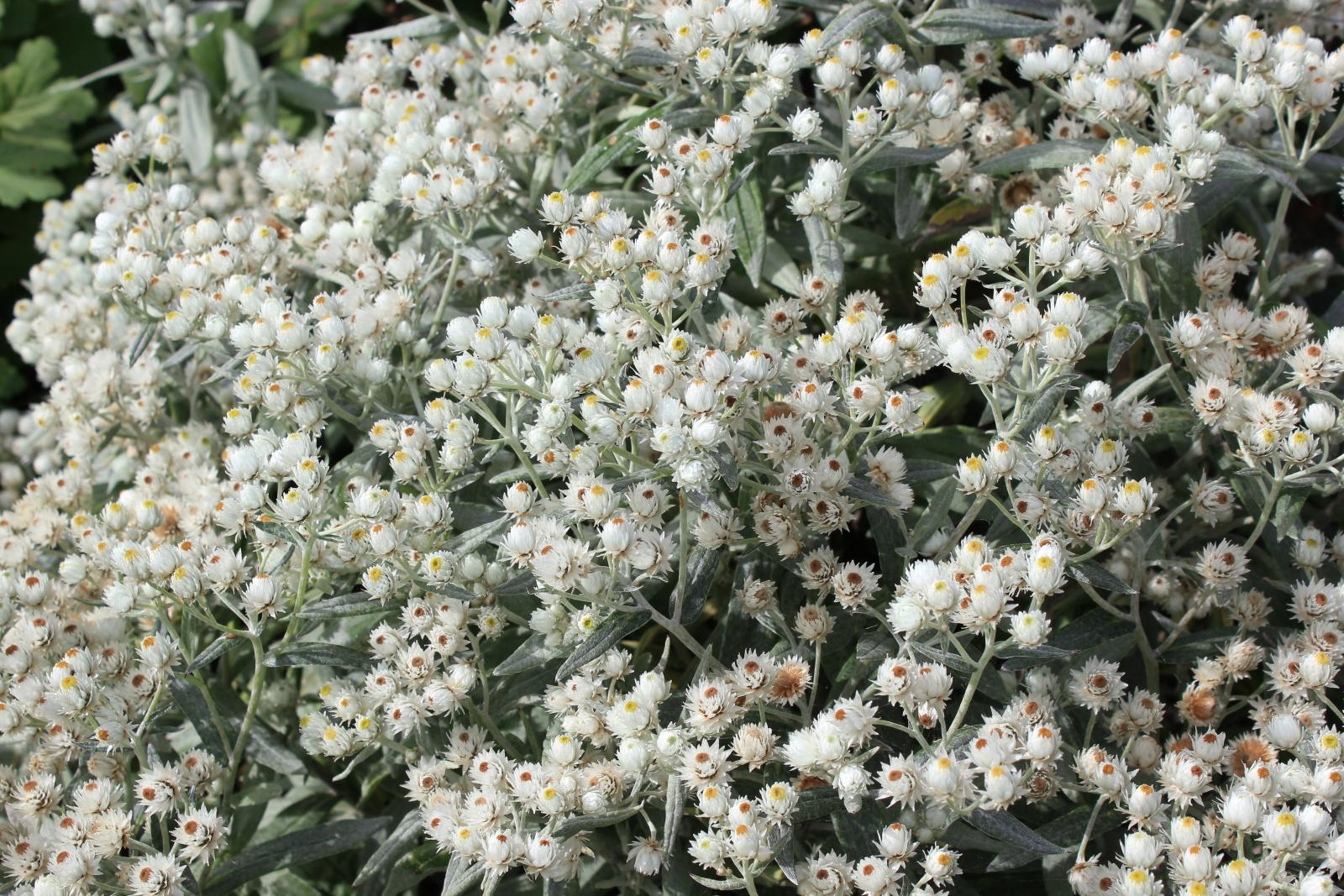
Herbaceous perennials also played an important role in manor gardens. Flowerbeds gleamed with bright colors, featuring both local wildflowers and imported species. Peonies, lilies, roses, and chamomiles were popular. Alongside decorative plants, medicinal herbs and vegetables were important. Manor gardens grew mint, lemon balm, caraway, marigolds, and many others used for culinary or medicinal purposes.
Today, many historic manor parks have preserved their plant heritage, allowing us to connect with the past and imagine the grandeur of former times. This is a living heritage, recalling the golden age of Lithuanian manor culture.
GARDEN: RURAL GARDEN
Lithuanian rural gardens and homesteads have long been centers of not only agricultural activity but also living culture, traditions, and beauty. Over the centuries, the plants cultivated here, both woody and herbaceous, reflect the close connection between people and nature, practical needs, and aesthetic sensibilities.
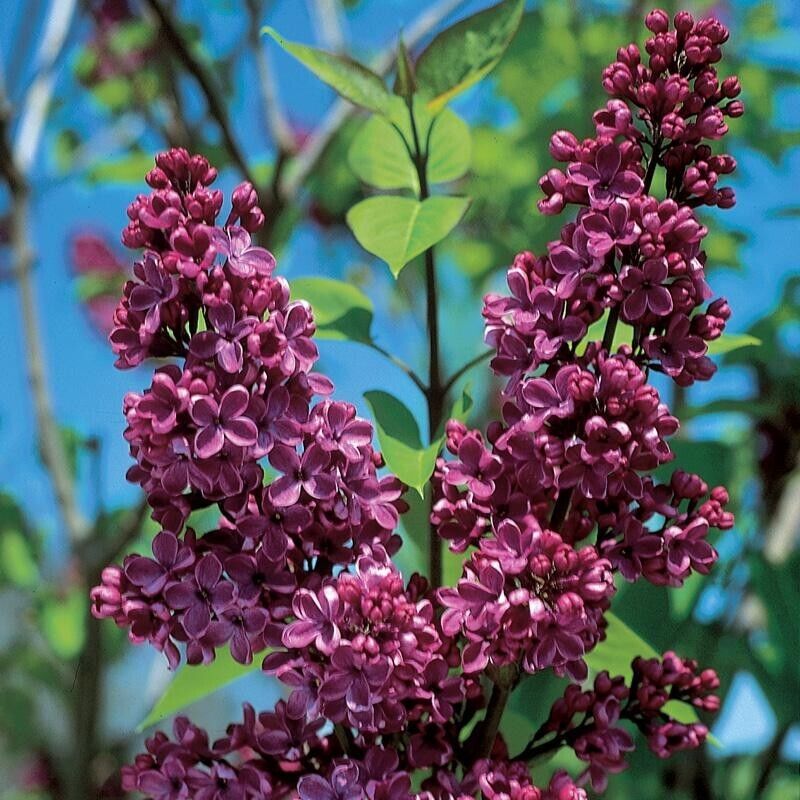
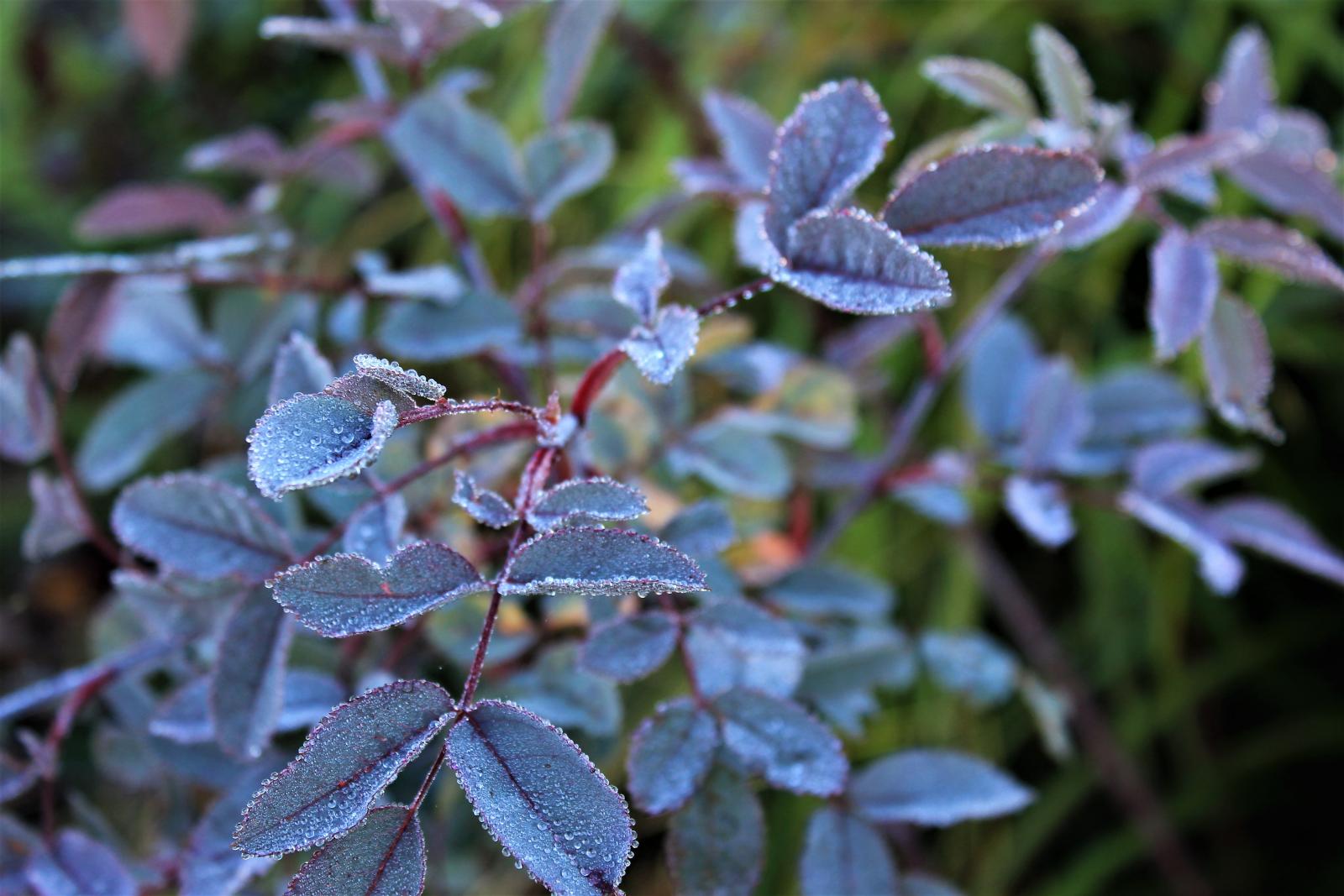
Among woody plants, lilacs were an inseparable part of Lithuanian homesteads. They delighted the eye and nose with abundant fragrant blooms in spring and often marked the main entrance or the edges of the homestead. Roses and related ancient rose varieties also flourished in the most representative spots, symbolizing beauty and strength. In some regions, homesteads without lindens or birches, which provided shade and coziness, were unimaginable.
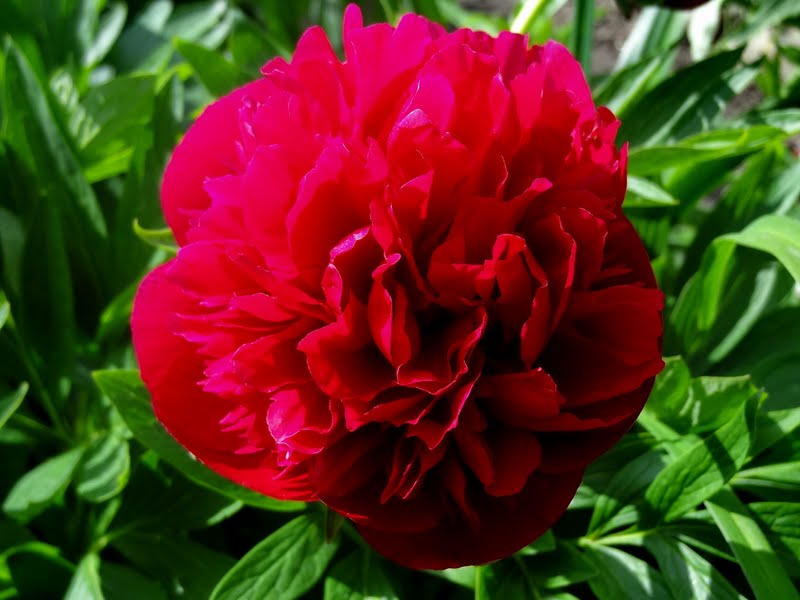
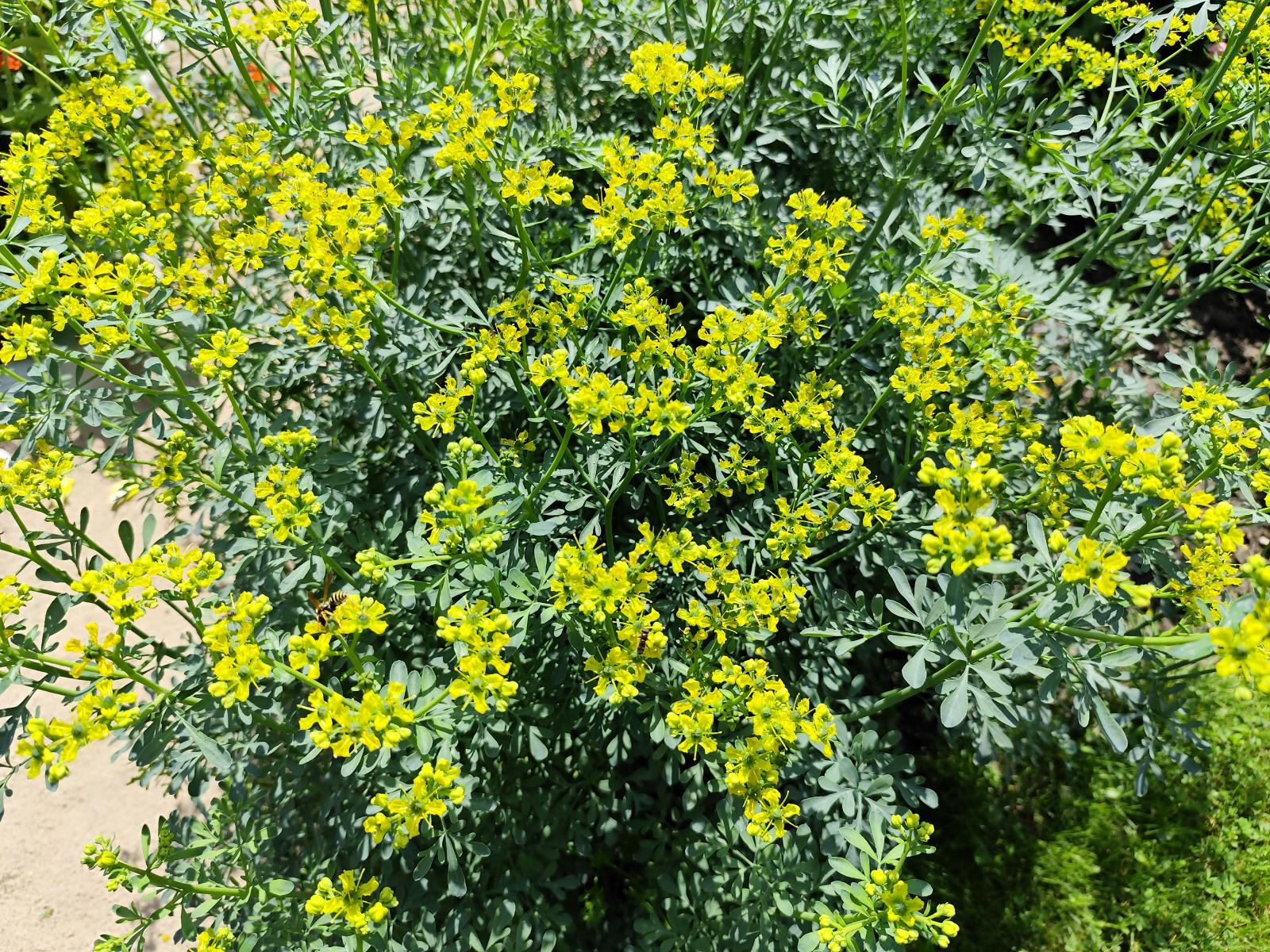
Herbaceous perennials made up most of rural gardens, combining beauty and utility. The green rue was perhaps the most important garden plant, surrounded by folk songs and traditions, symbolizing innocence and youth. Although it appeared in Lithuania later than many believe, it became an inseparable part of the Lithuanian garden.
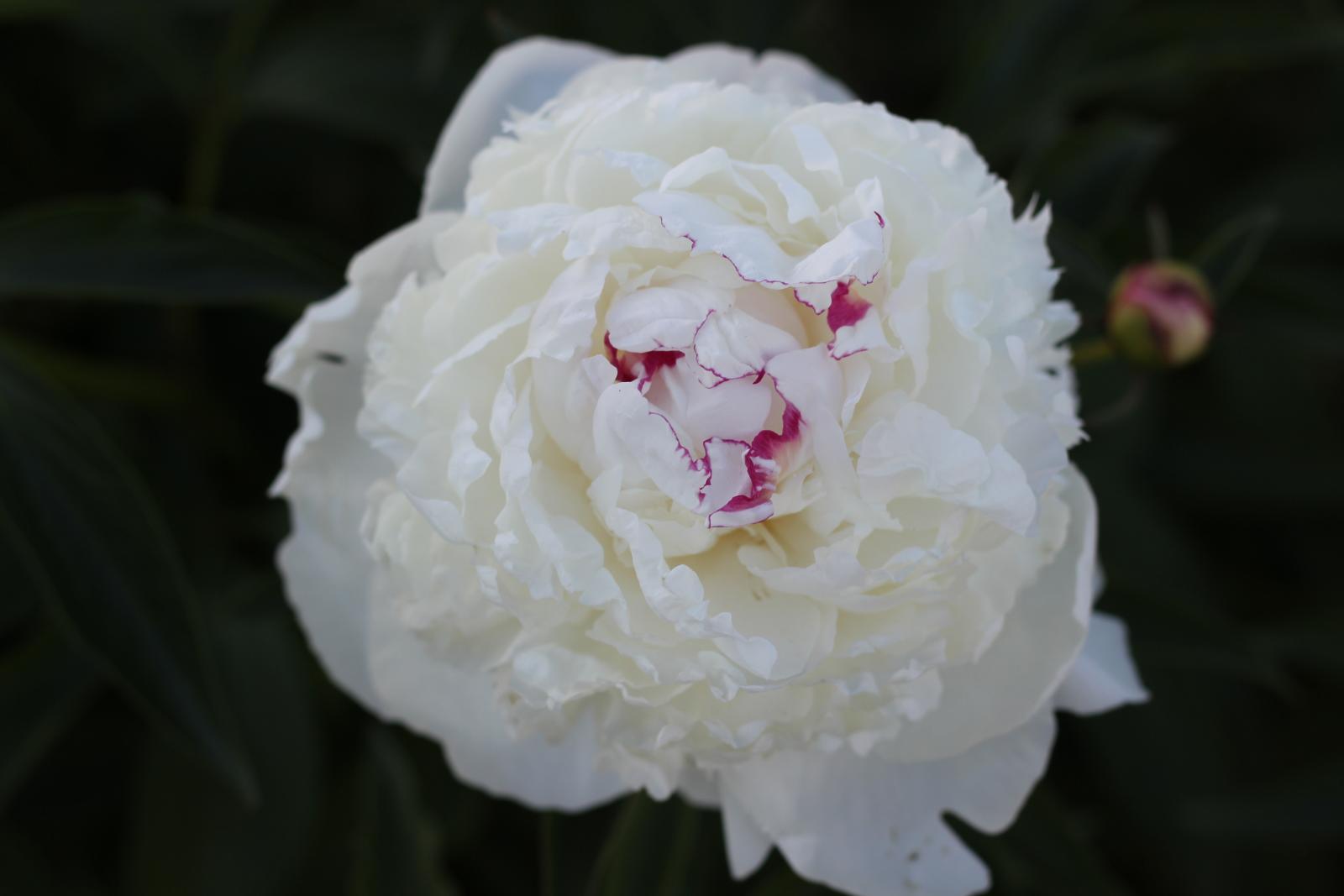
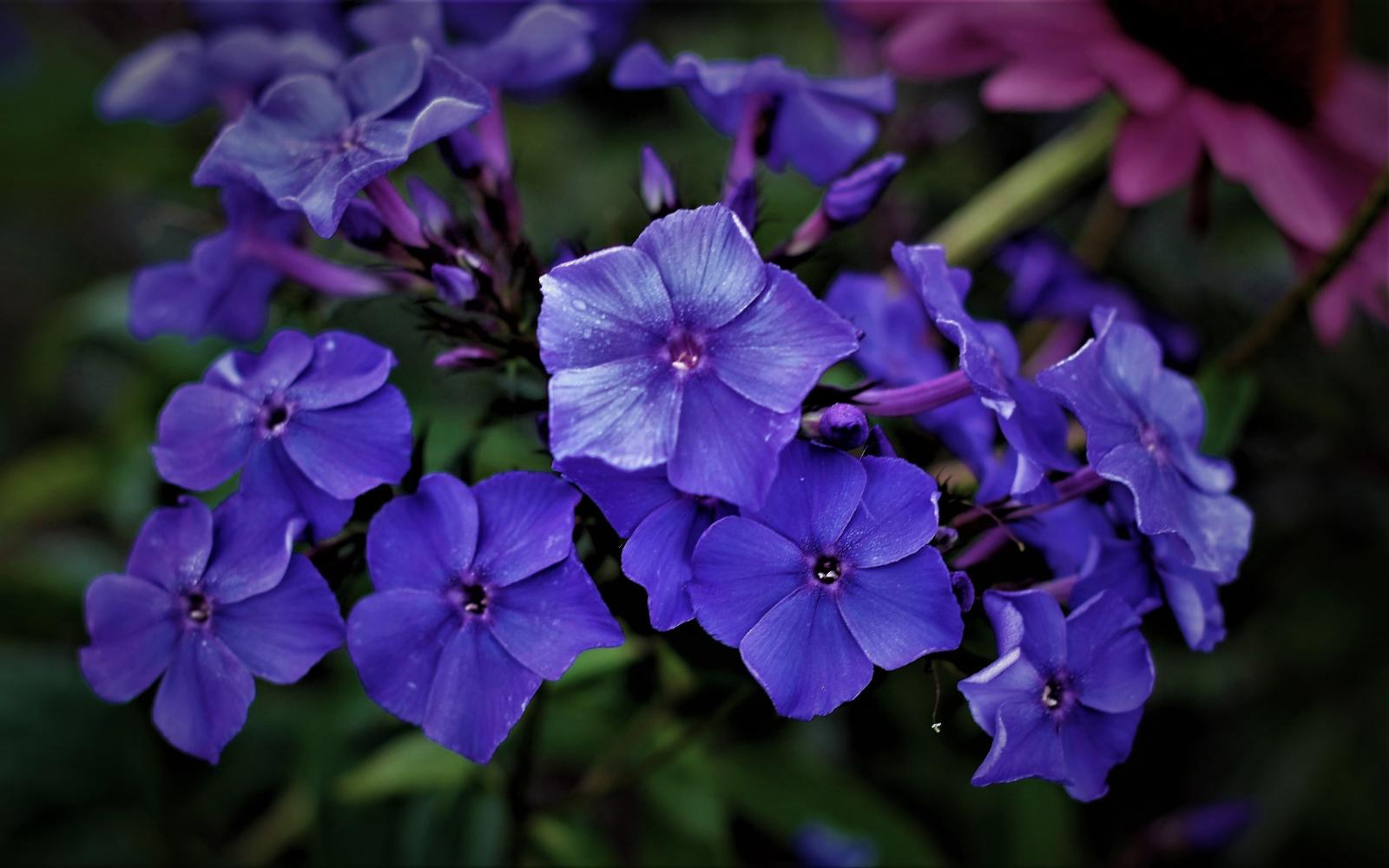
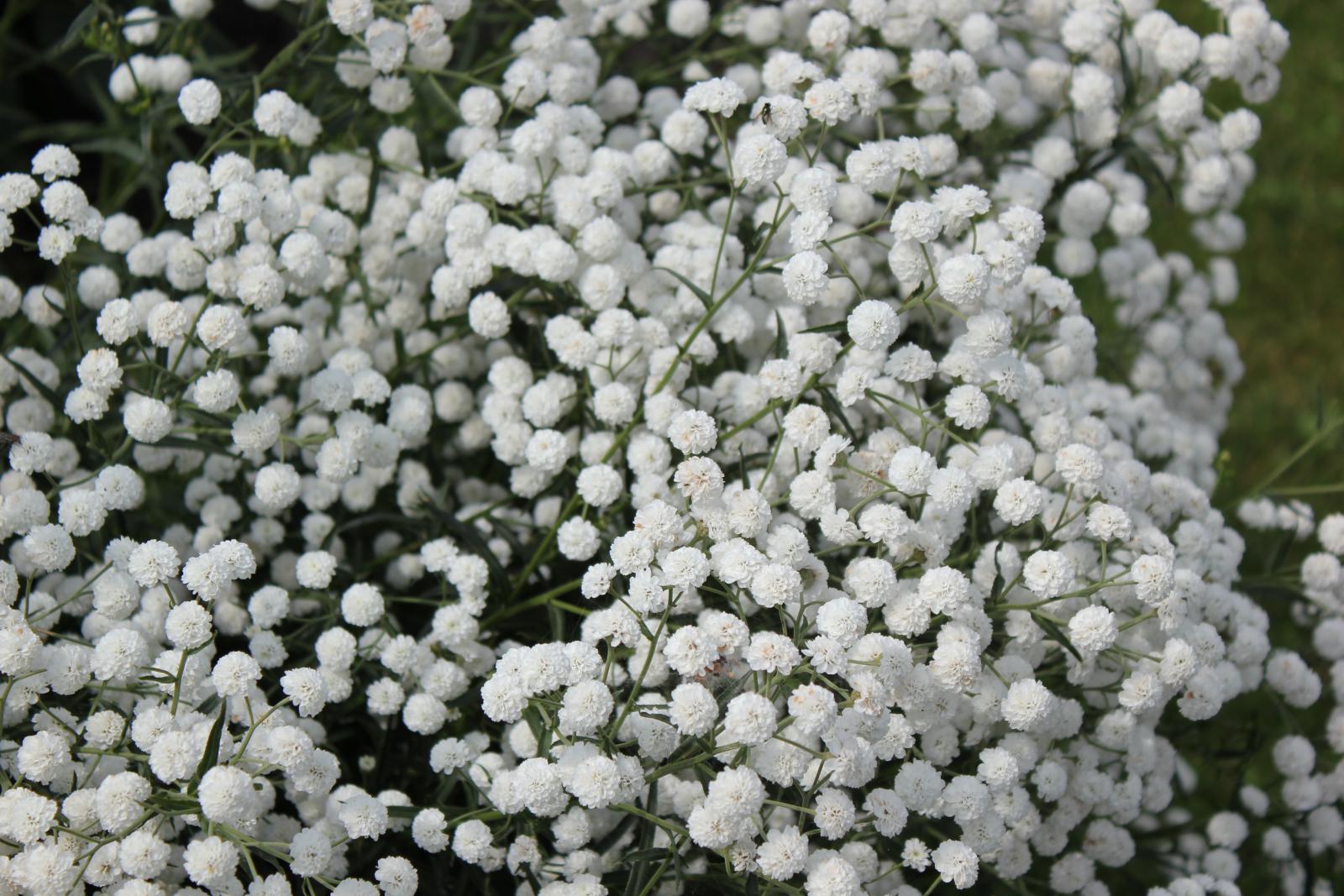
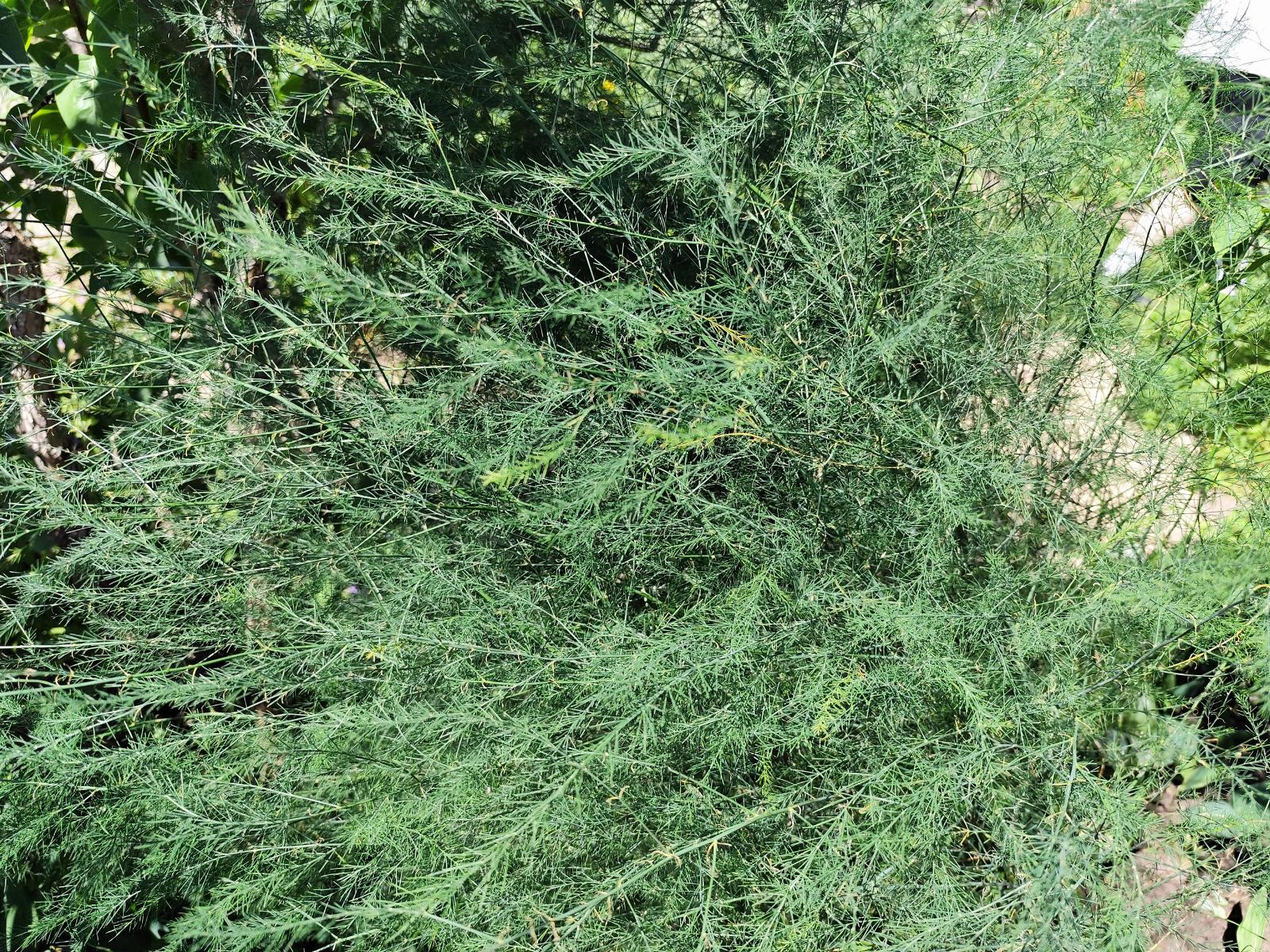
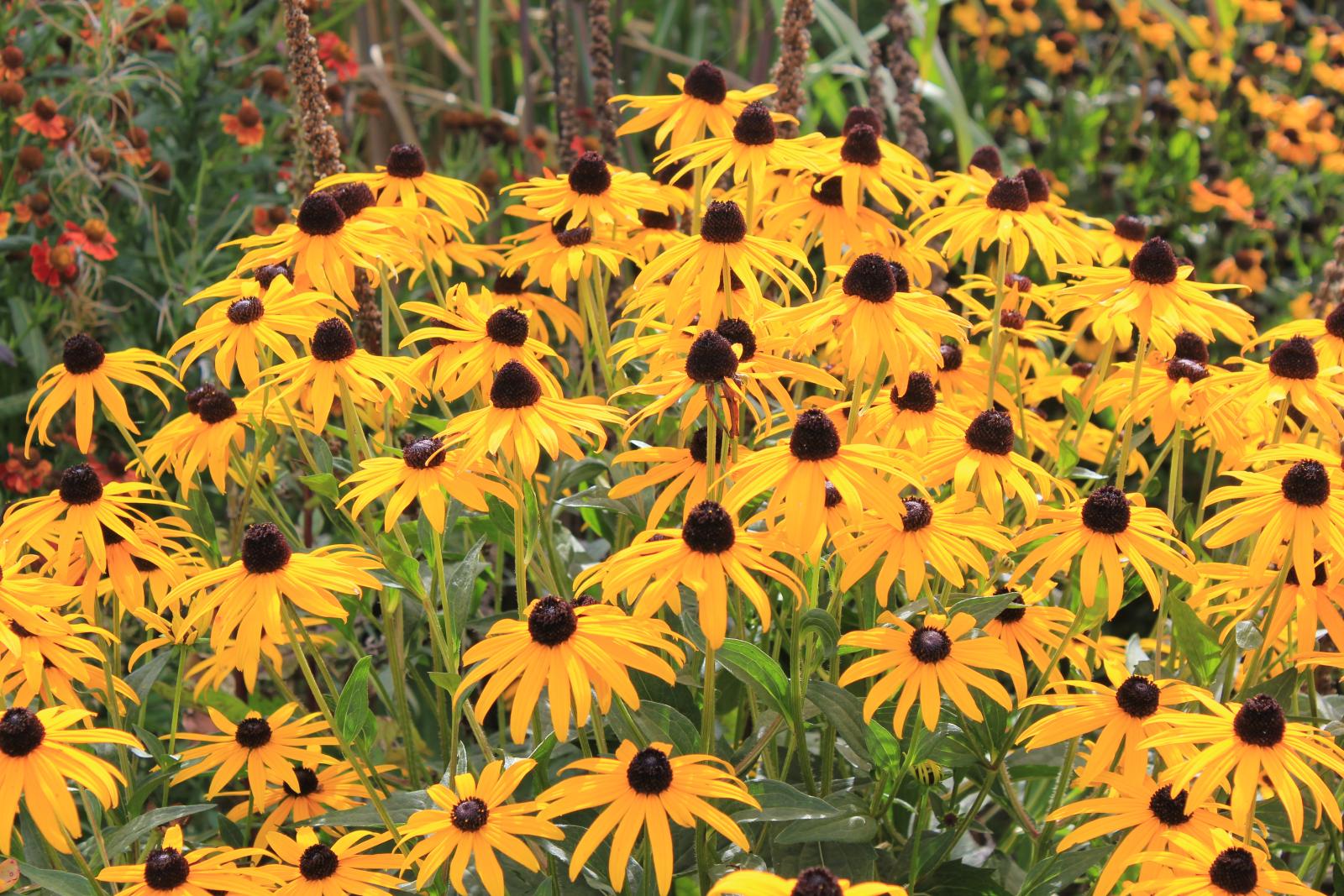
Other popular herbaceous plants included peonies, valued for their luxurious blooms. Medicinal asparagus was a main pre-war garden feature; dogwoods were grown for their pleasant scent, nasturtiums for bright flowers and easy maintenance, sneezeweeds, phloxes, and chamomiles.
Many plants, such as marigolds, mints, medicinal asparagus, and wormwood, had not only decorative but also practical medicinal or culinary value. They were used in teas, remedies, or as spices. Rural gardens were not large, but they reflected the care and creativity of their keepers, and the plant diversity demonstrated long-cultivated traditions.
These historic plants are an integral part of Lithuania’s cultural heritage, reflecting the lifestyle and values of past generations.
GARDEN: URBAN GARDEN
Modern urban gardens increasingly draw inspiration from the past, and the historic plants of rural and manor gardens offer new opportunities to create unique and sustainable spaces where native and well-behaved exotic plants are combined in inventive compositions. While contemporary perennial collections are highly diverse, traditional plants, both woody and herbaceous, can complement and enrich the urban landscape.
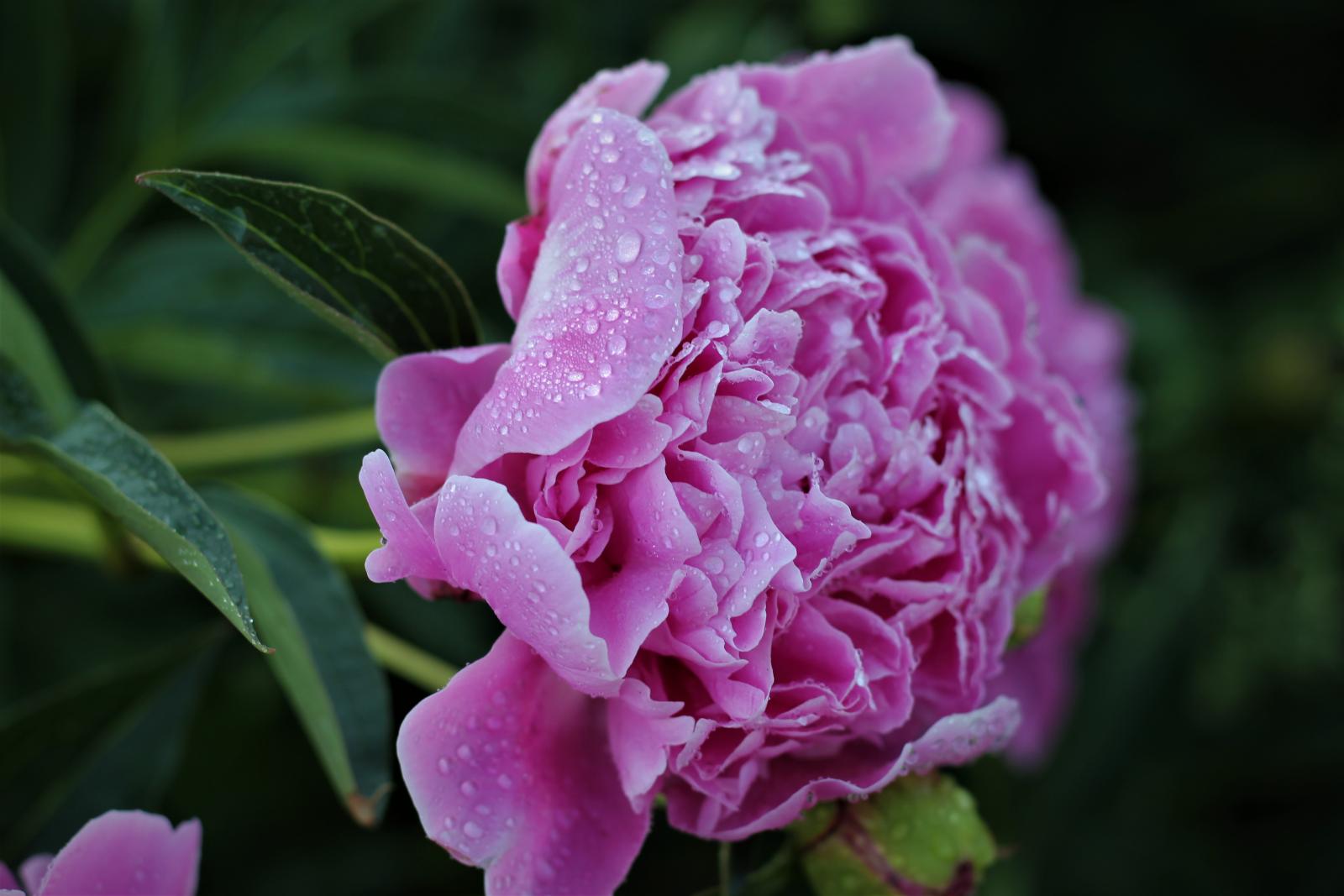
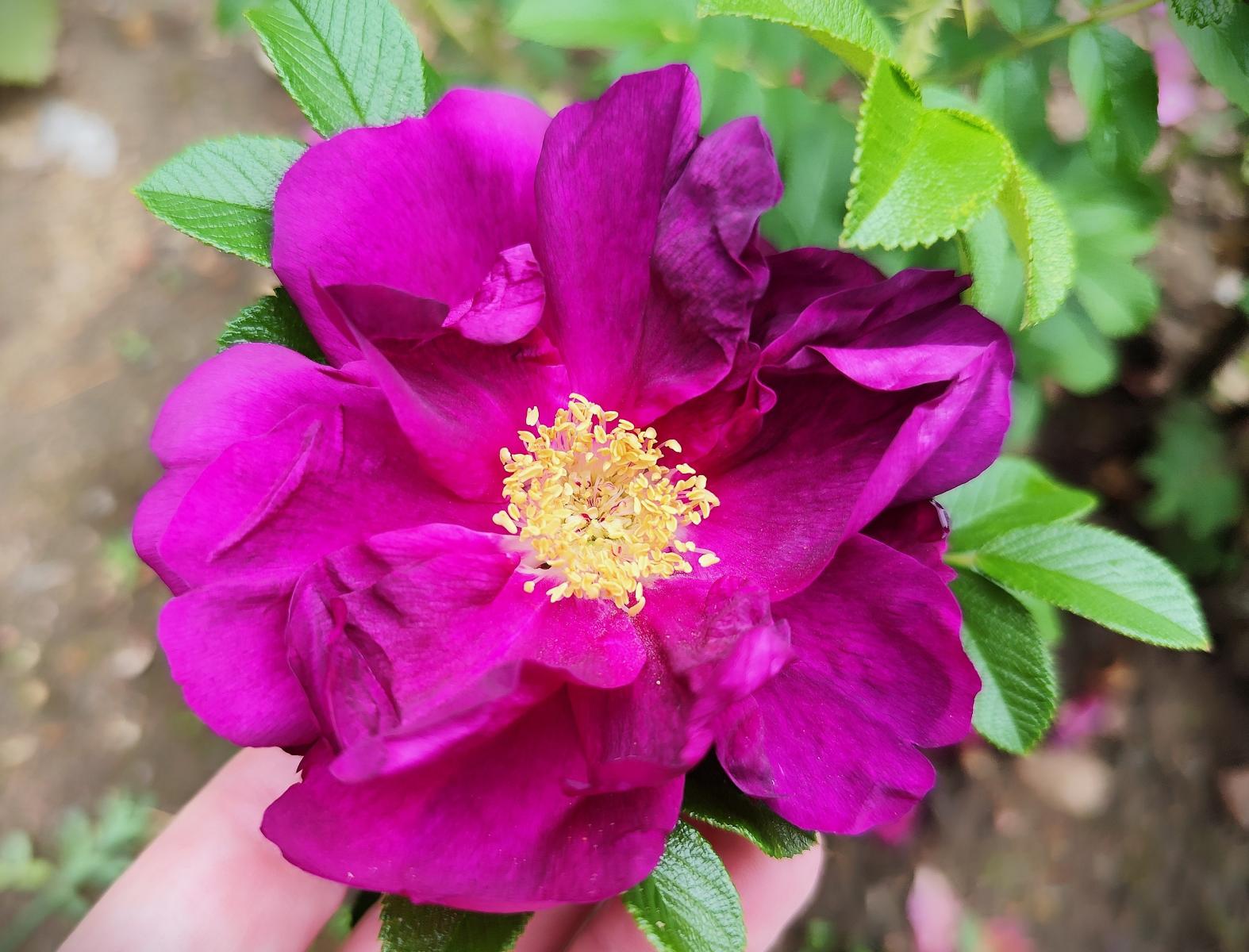
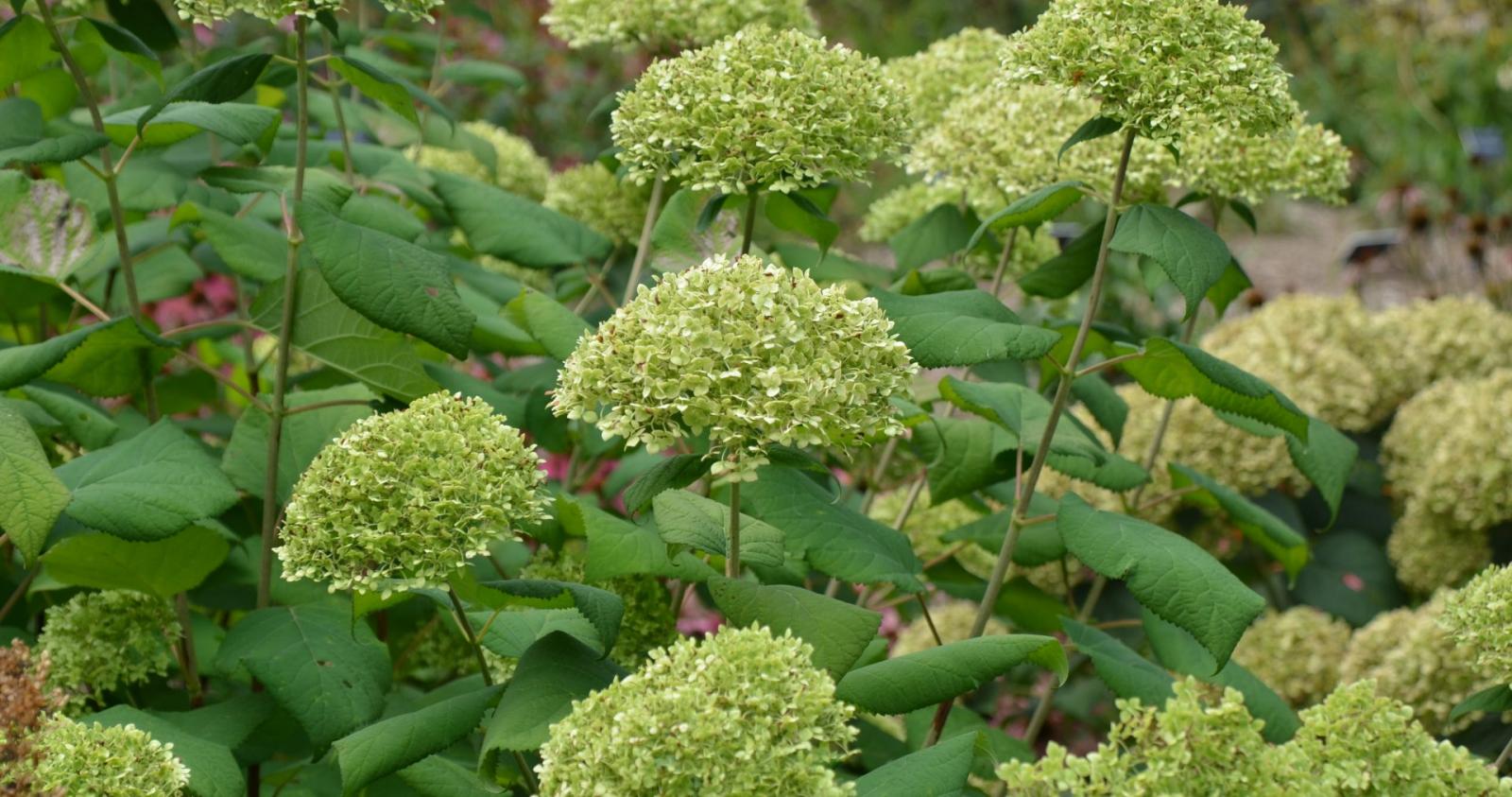
Imagine lilacs, jasmines, snowballs, or peonies that once grew in old manors or rural homesteads. These woody plants are not only durable and long-lived but also bring authenticity and historical value to green spaces. In city parks or squares, they can create fragrant, cozy, and peaceful oases reminiscent of old Lithuanian homesteads. Combined with modern ornamental grasses, such as miscanthus or sedges, they produce contrasting textures and interesting combinations.
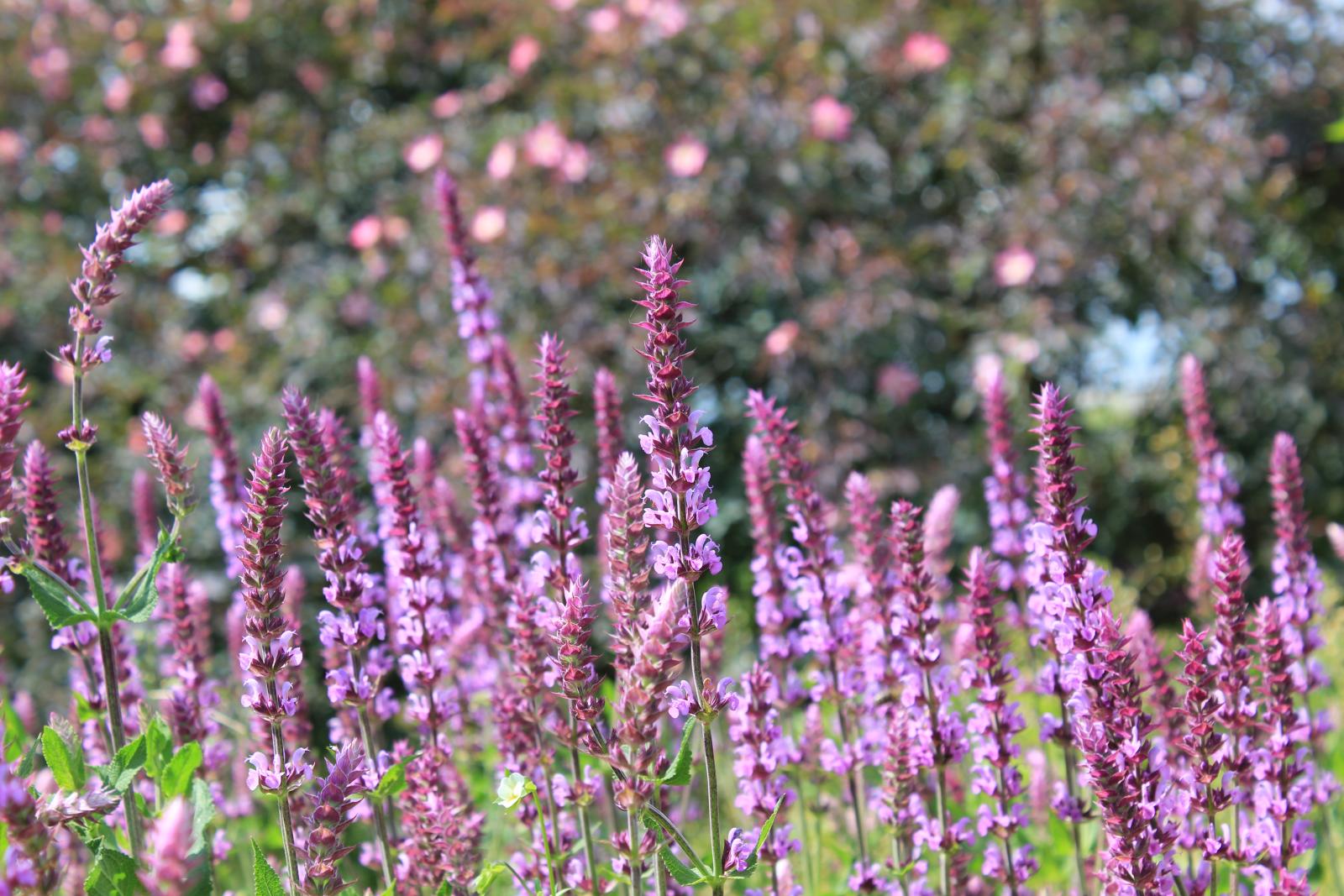
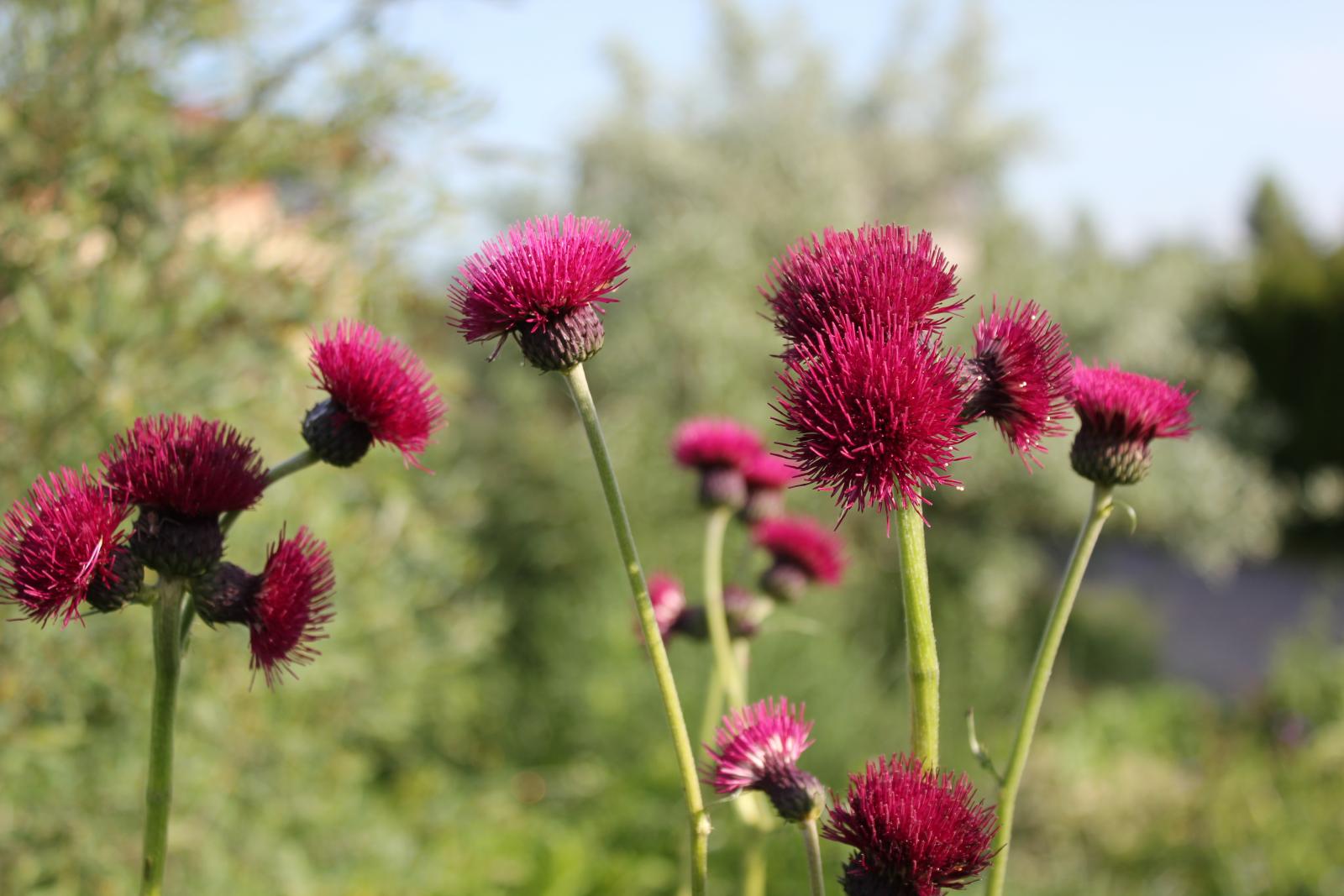
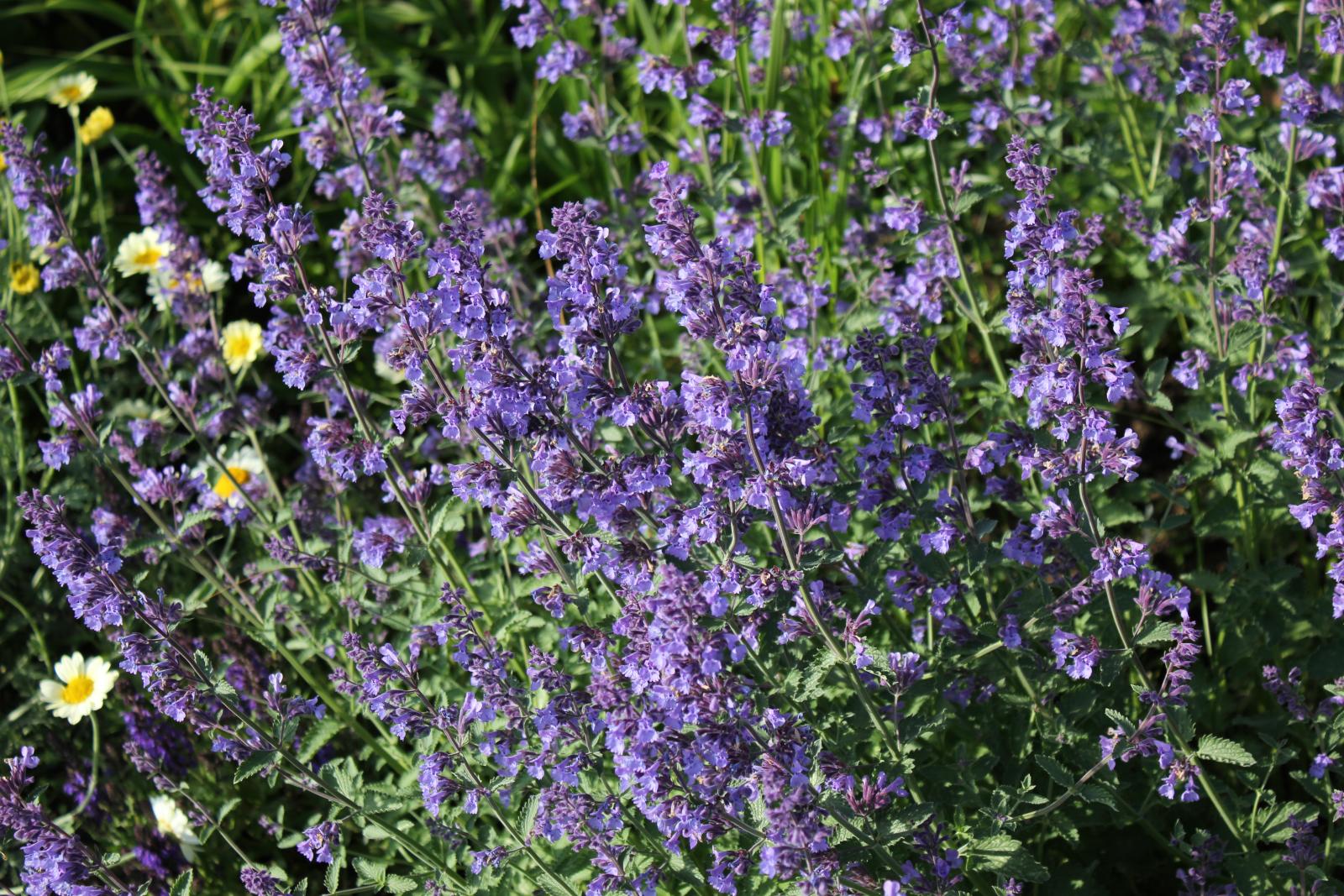
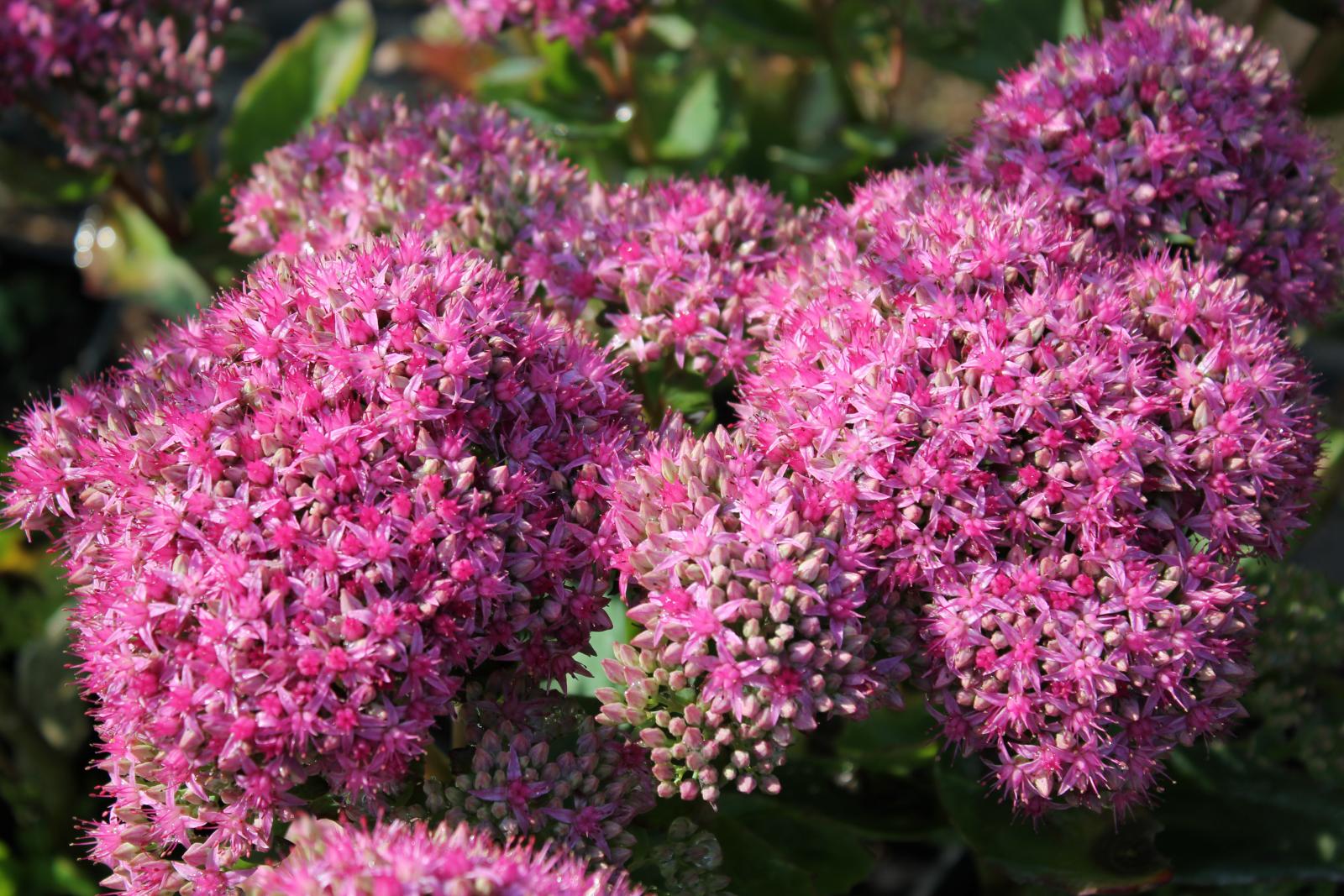
Similarly, rural garden marigolds, chamomiles, or mints can become excellent elements in urban flowerbeds. These herbaceous perennials attract pollinators and increase urban biodiversity while providing pleasant aromas and a sensory experience. They can be paired with modern plants, such as catmints, echinaceas, sages, or ornamental alliums, creating dynamic and long-blooming flowerbeds. Most of these plants are low-maintenance and adapt well to city conditions, reducing the need for care.
By integrating historic plants into contemporary urban gardens, we restore the lost connection with the past while creating sustainable, aesthetic, and ecological spaces that will delight future generations. Have you thought about which historic plants you would like to see in your city?
GARDEN: MEADOW
Sown flowering meadows are not only aesthetically appealing but also ecologically beneficial landscape elements, increasingly popular in both urban green spaces and rural homesteads. This approach involves sowing mixtures of carefully selected flowering wild plants, often native species, to create a natural-looking, vibrant meadow that delights the eye and benefits the environment.
One of the main advantages of sown flowering meadows is their ability to attract and support biodiversity. The abundance of flowers draws various pollinators—bees, butterflies, and other insects—which are vital for the ecosystem. Additionally, these meadows provide shelter for small animals and birds.
In urban green spaces, sown flowering meadows are an excellent alternative to traditional lawns. They require less maintenance—less frequent mowing, watering, or fertilizing—reducing water consumption and chemical use. They also help mitigate urban heat island effects by absorbing sunlight and cooling the surroundings. In cities, they can be used in parks, squares, roadside areas, and other public spaces, adding naturalness and color.
In rural homesteads, sown flowering meadows blend beautifully into the landscape, creating a romantic and idyllic atmosphere. They can be sown around houses, along garden paths, or as part of larger flowerbed compositions. They not only decorate the surroundings but also contribute to restoring natural ecosystems, bringing elements of wild nature into the cultivated environment. Additionally, such meadows emphasize the uniqueness of the homestead and a love of nature.
Sown flowering meadows are a versatile and sustainable solution, suitable for both modern cities and traditional homesteads. They delight the eye and play an important ecological role, contributing to a healthier and more vibrant environment.
.png)