.png)
The Directorate of Aukštaitija National Park and Labanoras Regional Park, in partnership with Daugavpils University, is implementing the “Green Stories” project (LL-00188), which aims to protect biodiversity and enhance public awareness and knowledge in the field of nature conservation. By applying advanced methods and creating an engaging environment, we will seek to influence the attitudes of residents in the regions and countries relevant to the project toward nature, improve practical skills in environmental protection, and encourage more sustainable actions in nature, potentially increasing the attractiveness of choosing natural sciences as a profession. The Administration has long been consistently pursuing these goals in its daily activities; therefore, the project activities will directly correlate with and complement the measures already in use.
More about the project: http://www.aparkai.lt/en/about-the-project/
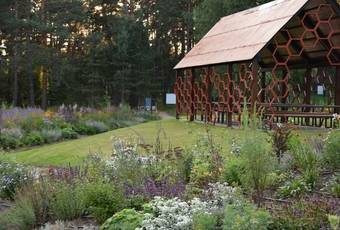
These plantings are part of the GREEN STORIES project (LL-00188) implemented by the administration of Aukštaitija National Park and Labanoras Regional Park under the 2021–2027 Interreg VI-A Latvia–Lithuania Cross-Border Cooperation Programme, aimed at biodiversity conservation and raising public awareness and knowledge in the field of nature protection.
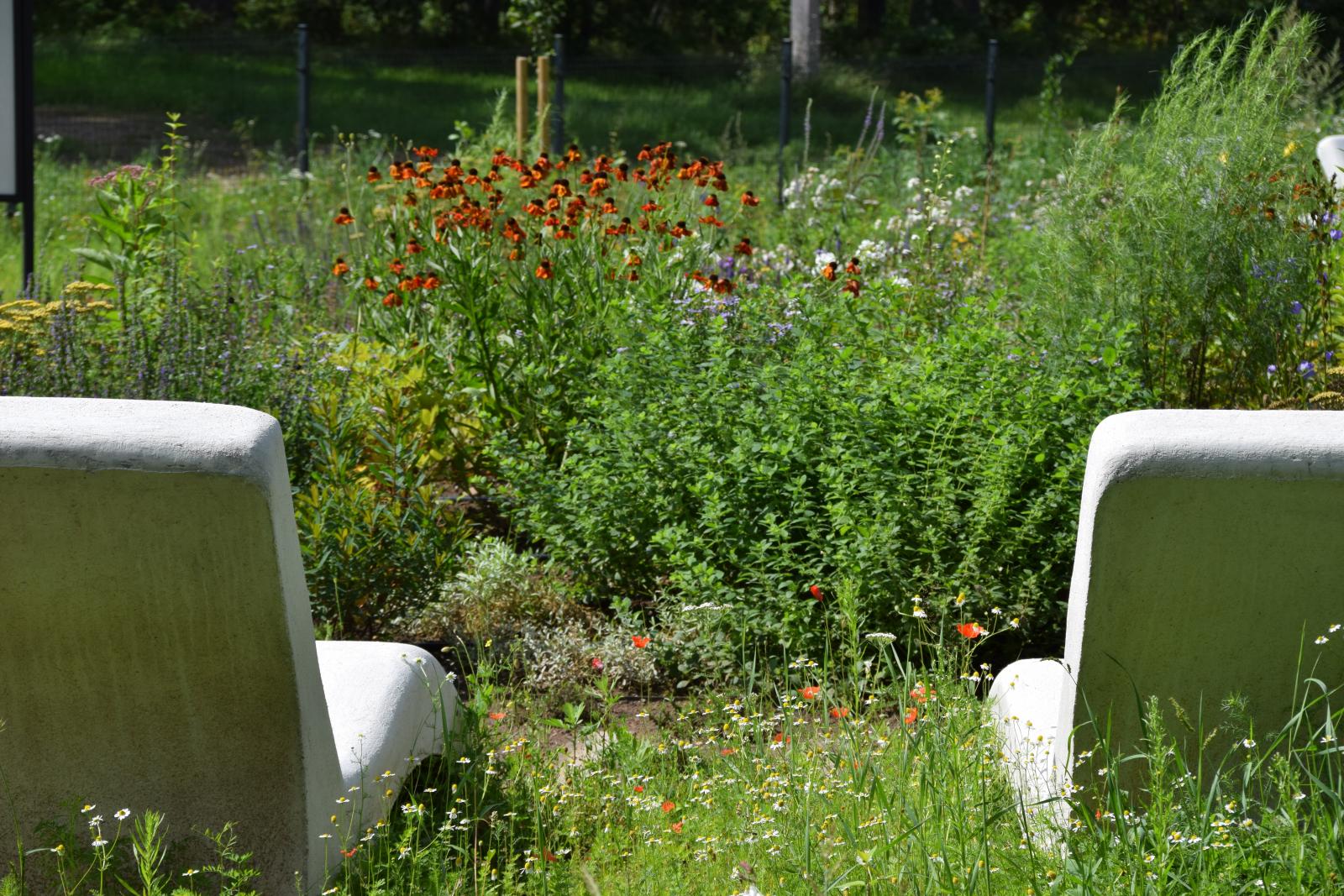
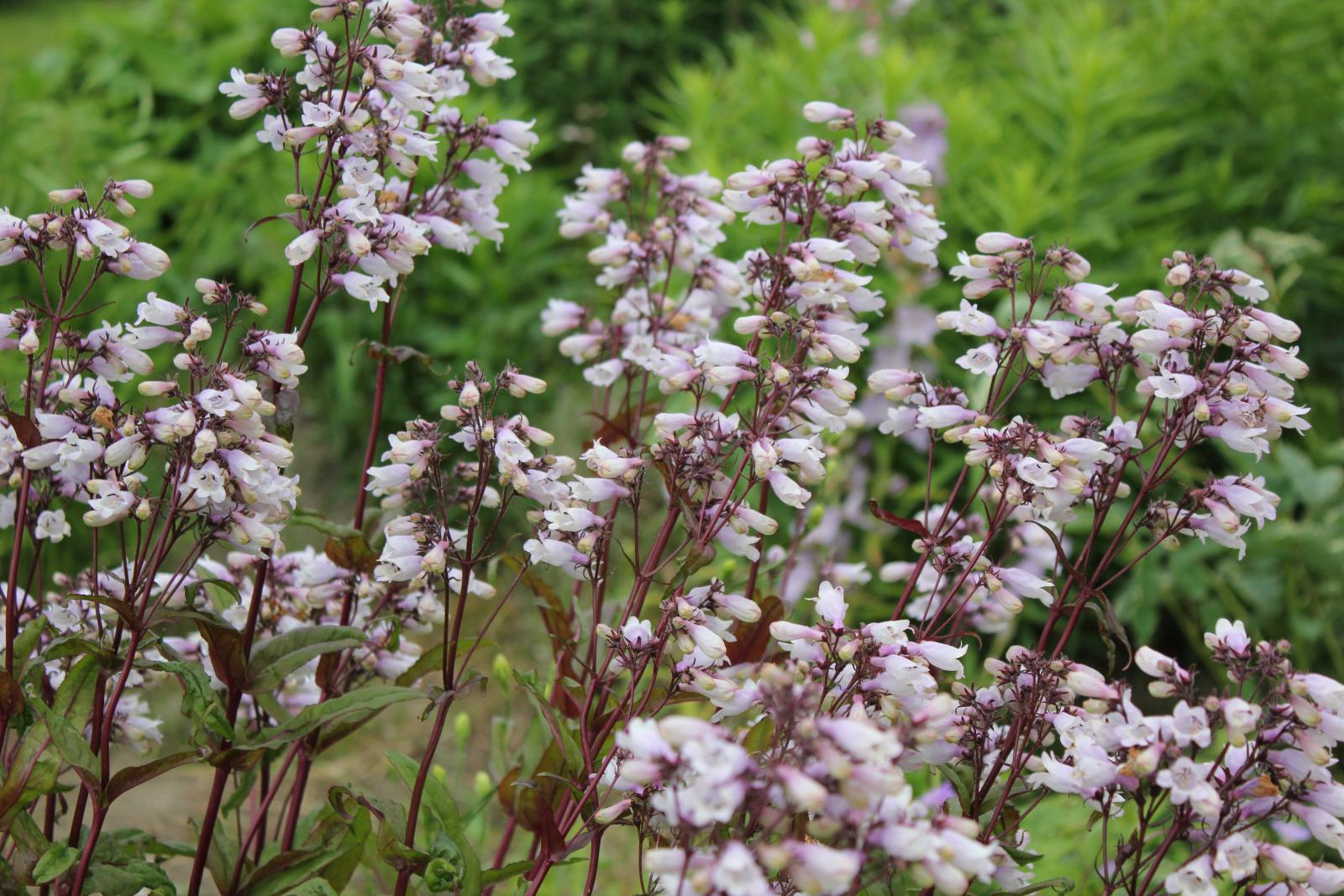
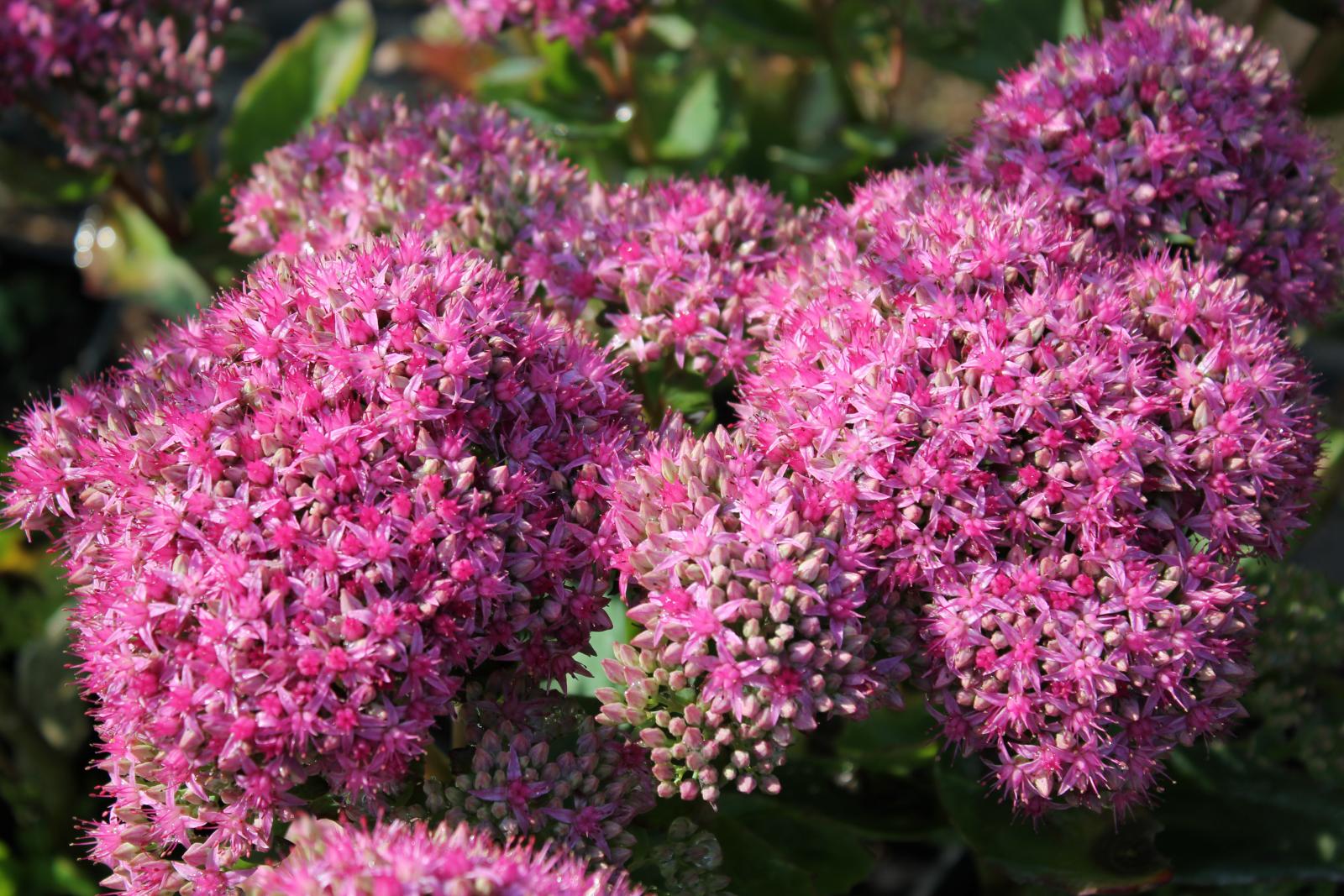
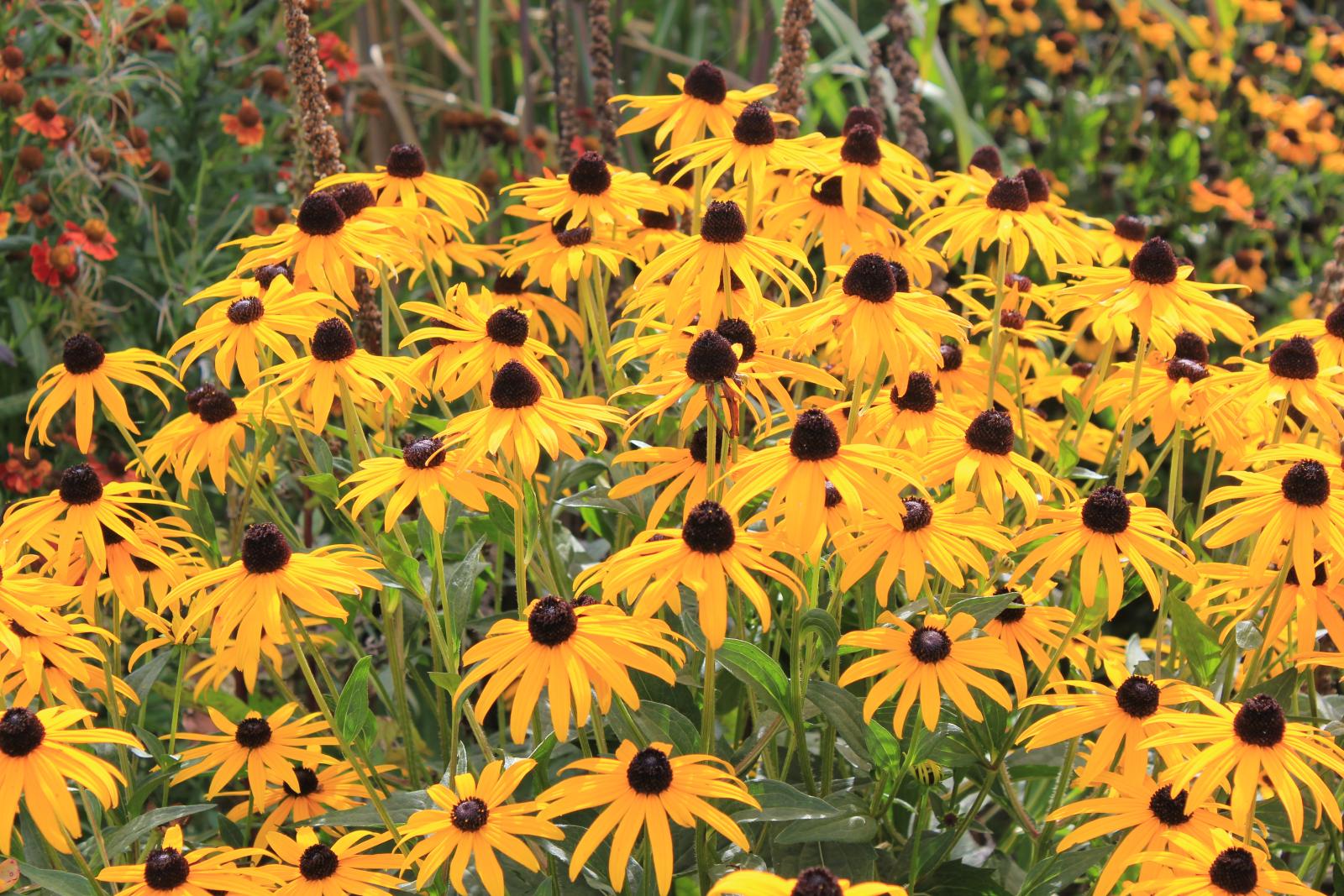
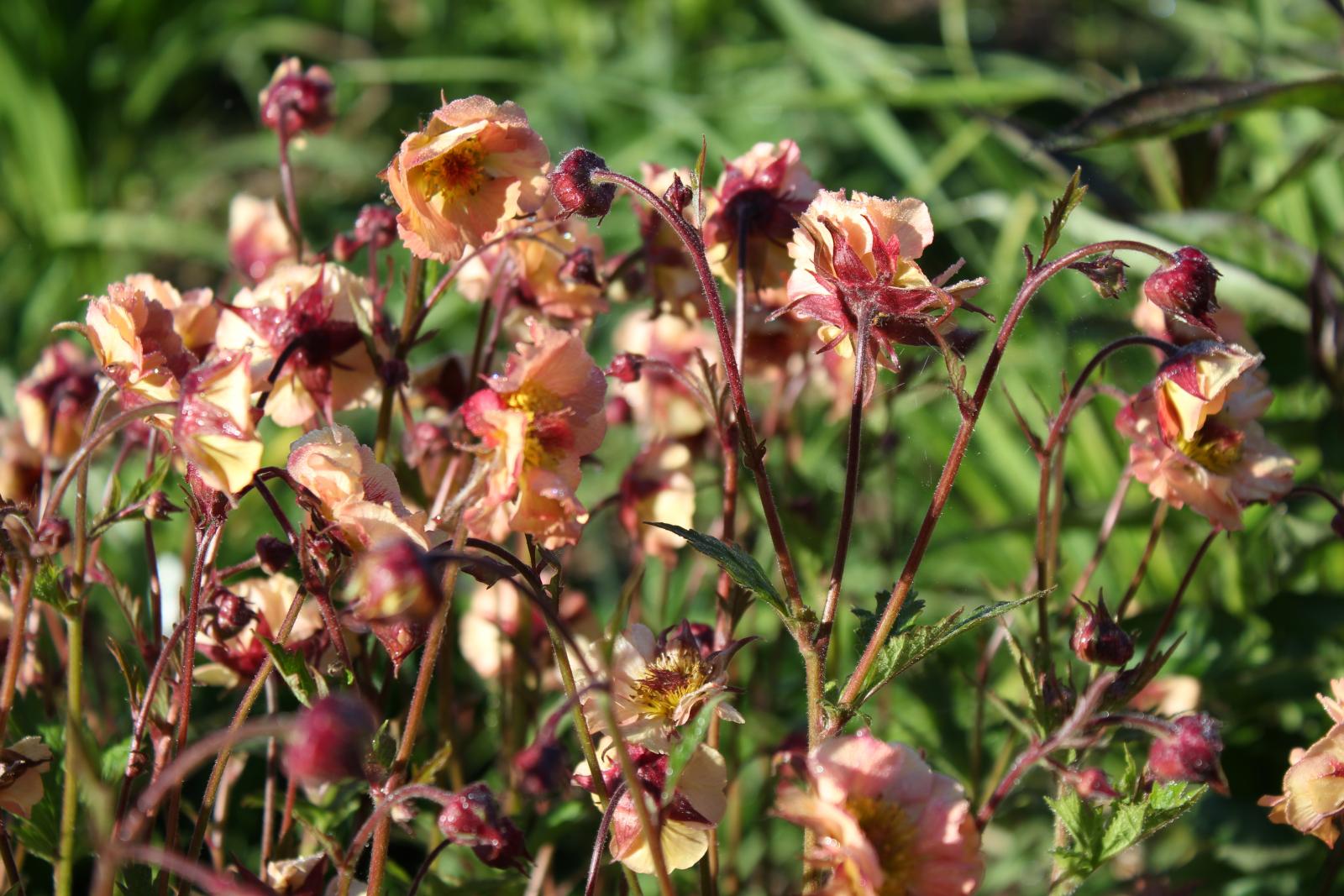
The area has been landscaped to create outdoor educational spaces for learning about historical regional plants. The planted gardens reflect the plants historically grown in rural areas, manor estates, and towns in Eastern Lithuania. These three plant groups are displayed in separate gardens, highlighting the diversity of cultivated plants and their arrangement features. Information stands have been installed to provide a more detailed presentation of the different groups, introducing park visitors to plants that have traditionally been cultivated for centuries in rural, urban, and manor estate settings. The plant assortment was selected based on the historical plant inventory and lists compiled during the project.
.
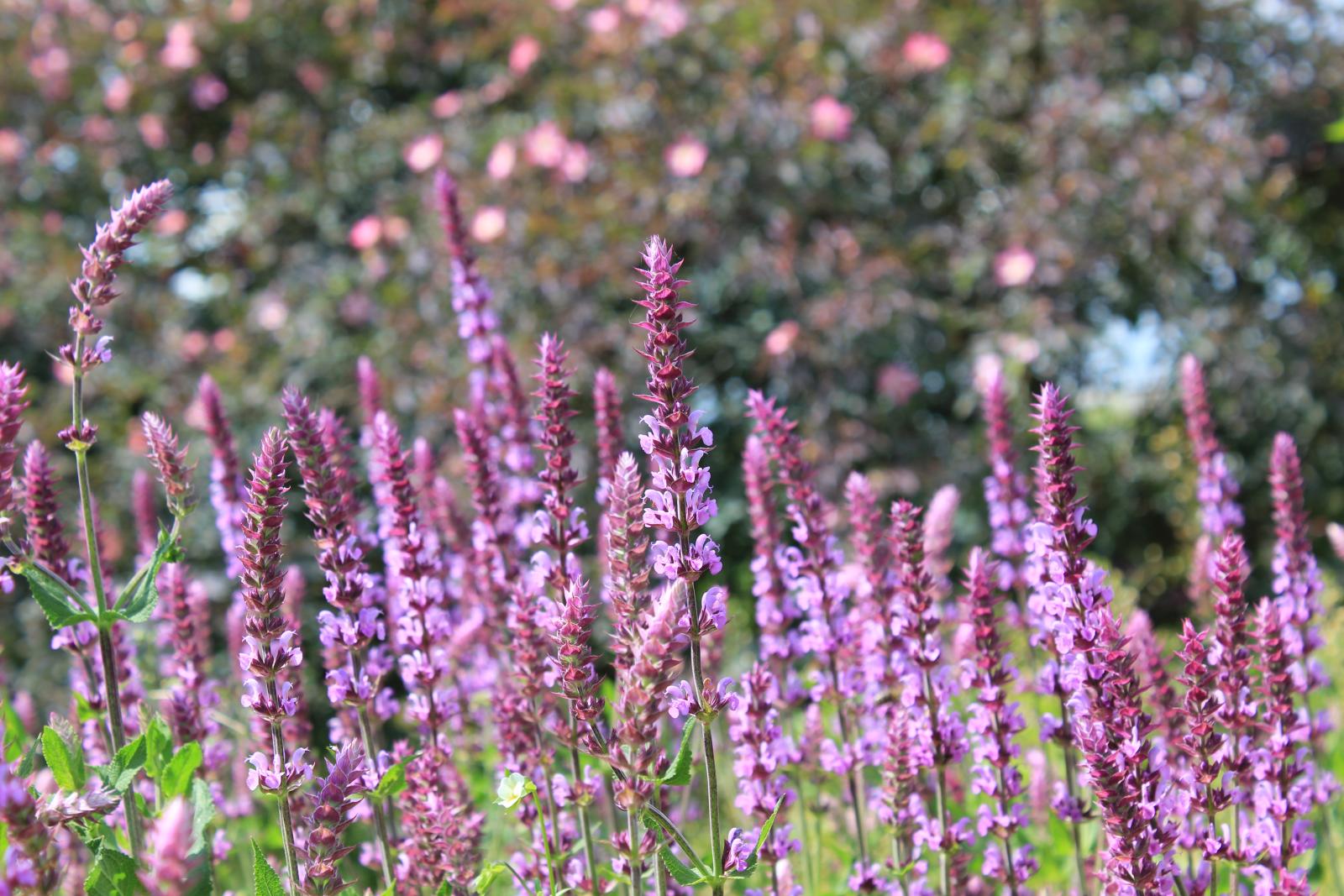
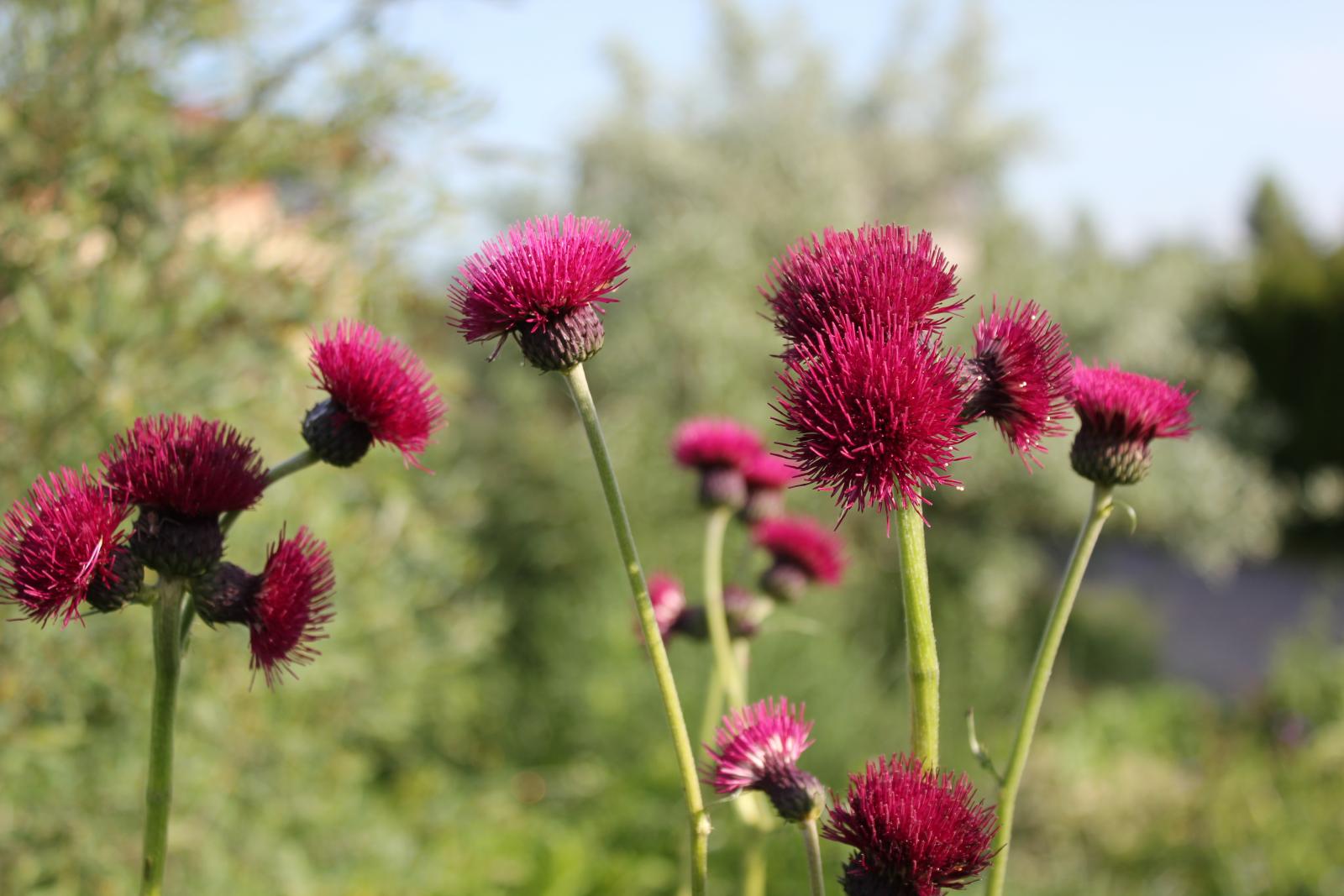
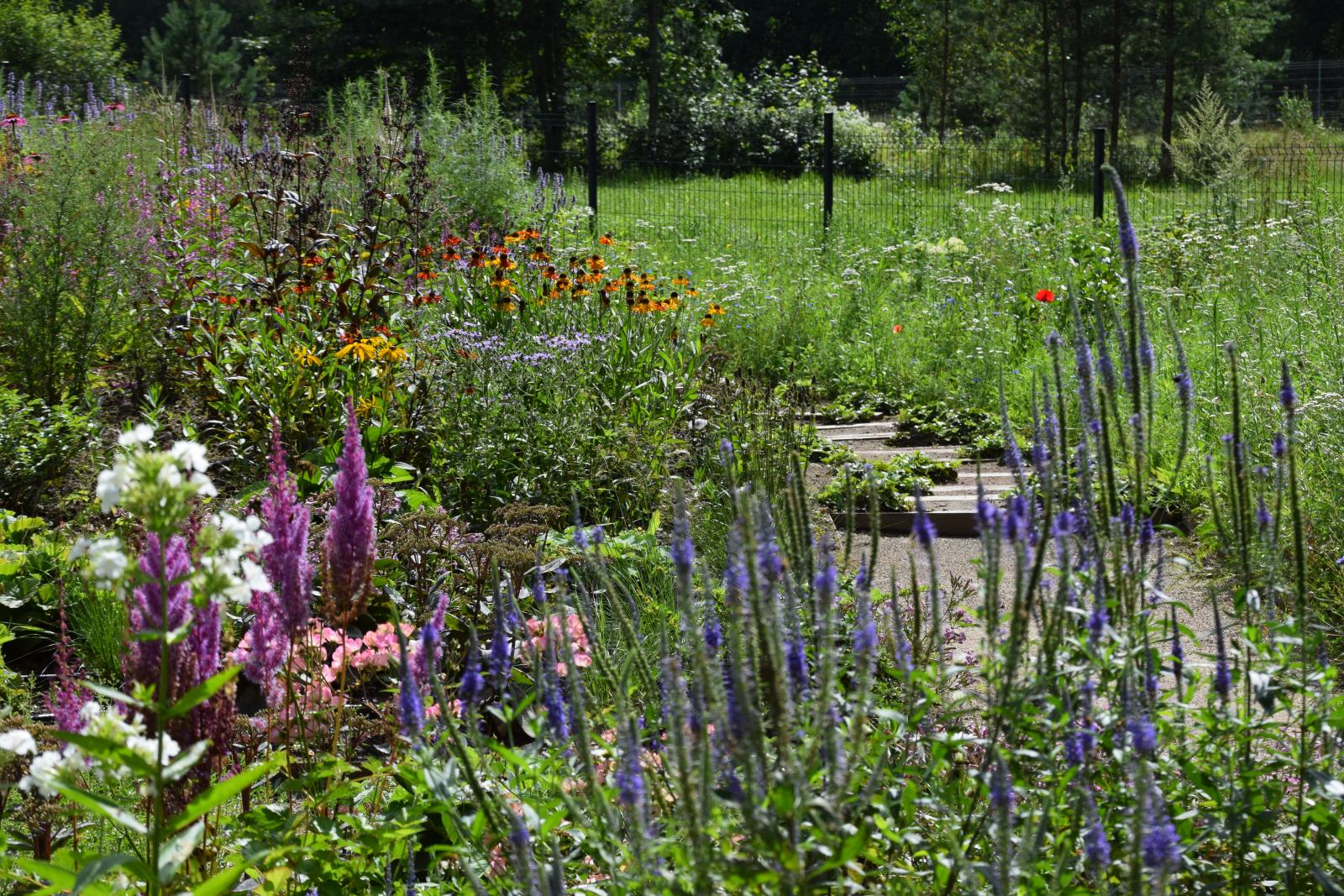
Next to the historical rural and manor plant exhibits, a modern garden area has been created, where historically grown plants are integrated with species popular in contemporary landscaping. This exhibit aims to show visitors that old and new can blend harmoniously in a garden, creating a modern, profound, and unexpected visual experience.
At the edges of the area, a 10.5-are flowering meadow has been sown, demonstrating how larger areas can be landscaped sustainably and modernly, both in cities and in rural estates. This approach is environmentally friendly, allowing new communities of insects, plants, animals, and microorganisms to establish and existing ones to expand.
The garden paths are not continuous – in several places, they are interrupted by low groundcover plants, which can be walked on barefoot, encouraging visitors to explore and enjoy nature.
GARDEN: MANOR ESTATE GARDEN
Lithuanian manors, once not only economic and cultural centers but also well-tended oases, impressed with their plant diversity. Manor parks and gardens were carefully designed, reflecting European fashions of the time, the owners’ tastes, and even scientific knowledge. Both woody and herbaceous plants were cultivated, each serving a decorative or practical purpose.
Among woody plants, local trees were particularly popular: lindens, oaks, ashes, and maples. They formed the park’s structural framework, created alleys, and provided shade. Alongside them, with the Age of Discovery, exotic trees also reached the manors, such as silver firs, yews, and beeches. These imported species enriched the landscape and demonstrated the owners’ ability to import and care for rare species. Shrubs, such as lilacs, jasmines, and roses, were often planted for hedges, fragrance, or decorative accents. Evergreen junipers and pines gave life to the parks even in the coldest months.

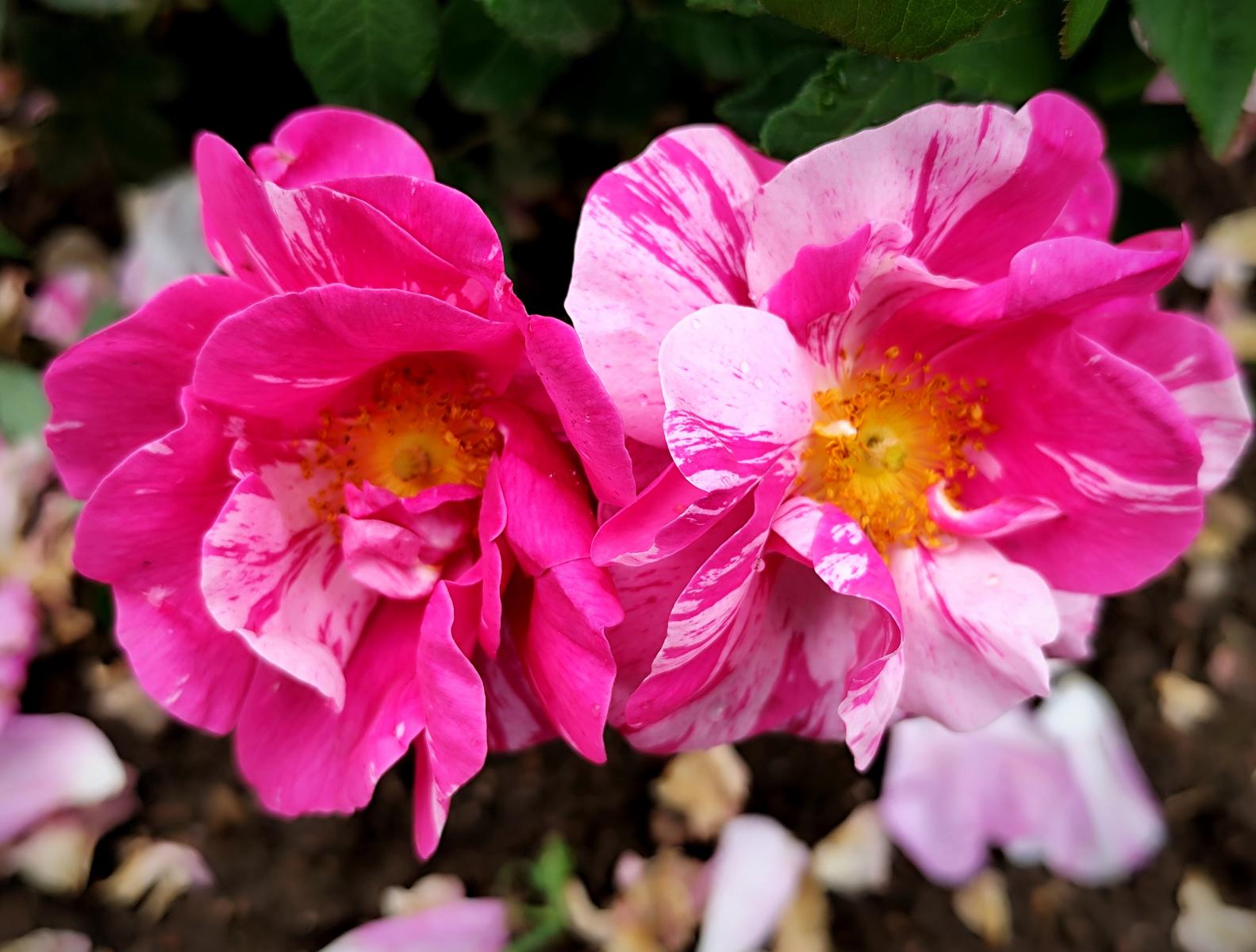
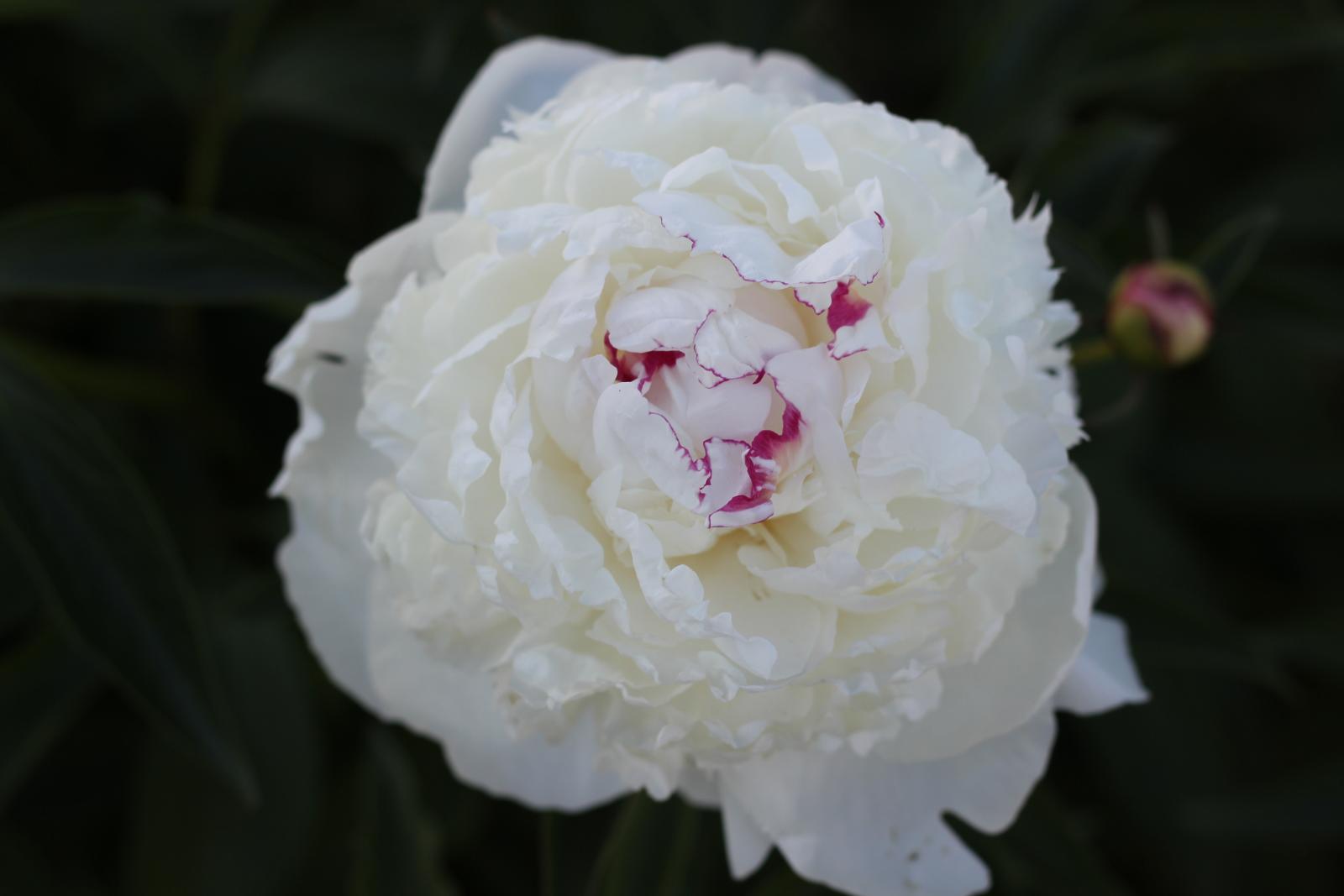
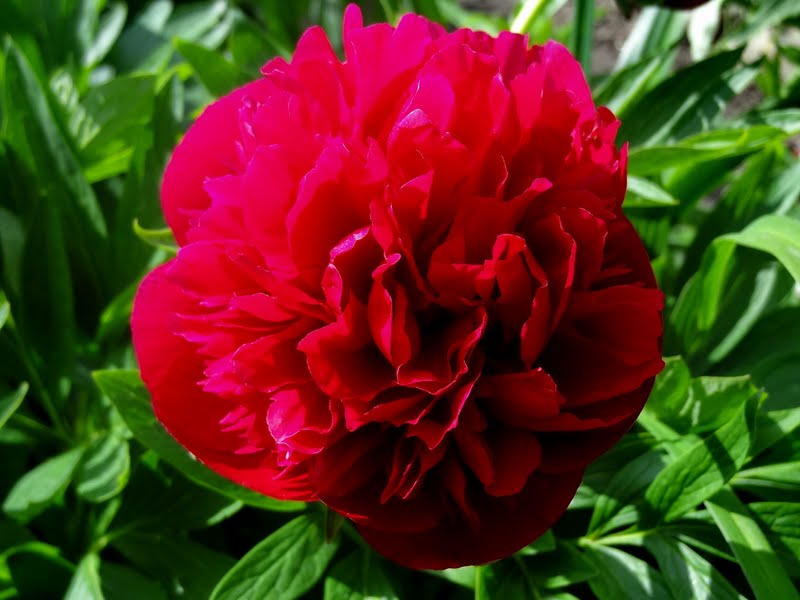
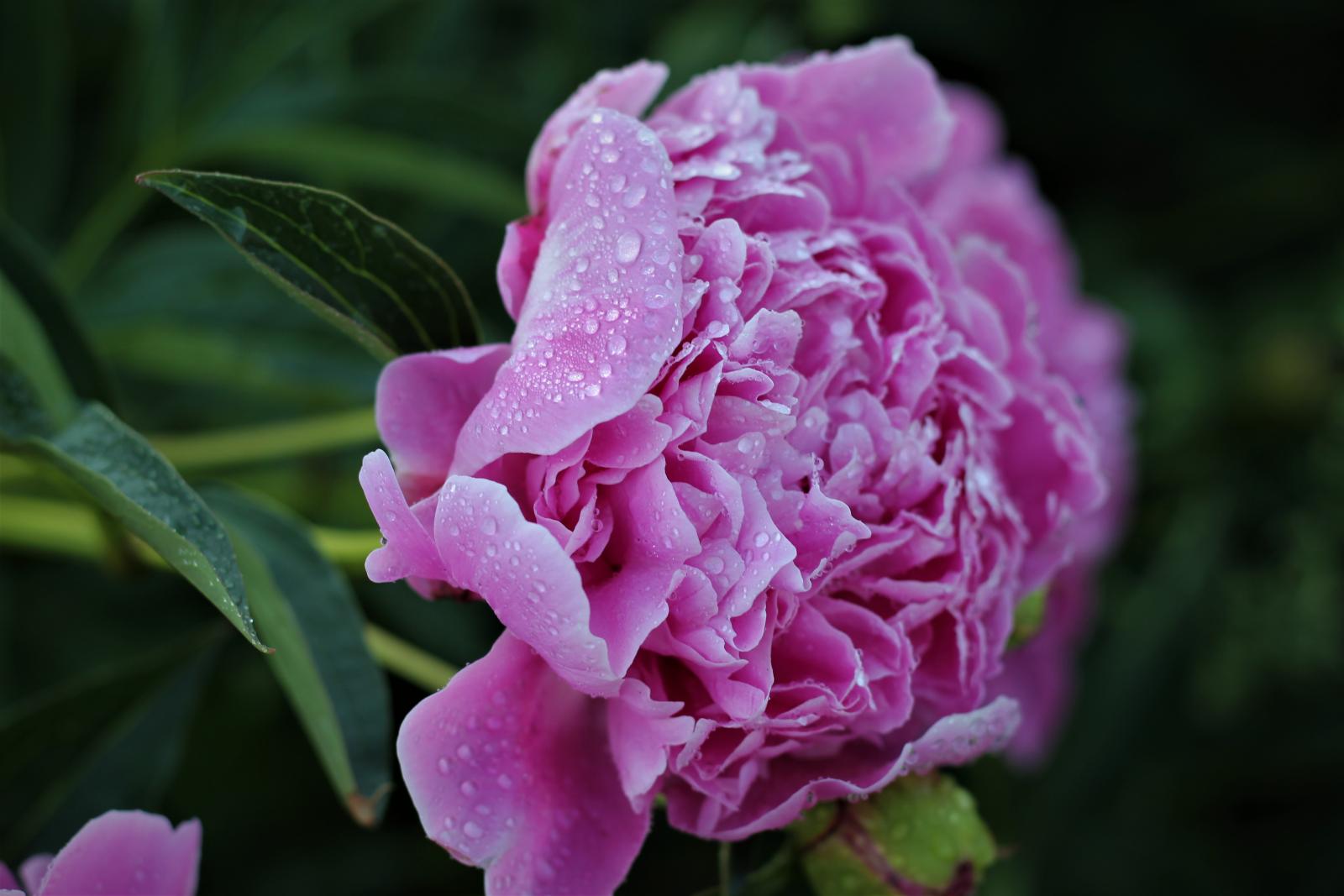
Herbaceous perennials also played an important role in manor gardens. Flowerbeds gleamed with bright colors, featuring both local wildflowers and imported species. Peonies, lilies, roses, and chamomiles were popular. Alongside decorative plants, medicinal herbs and vegetables were important. Manor gardens grew mint, lemon balm, caraway, marigolds, and many others used for culinary or medicinal purposes.
Today, many historic manor parks have preserved their plant heritage, allowing us to connect with the past and imagine the grandeur of former times. This is a living heritage, recalling the golden age of Lithuanian manor culture.
GARDEN: RURAL GARDEN
Lithuanian rural gardens and homesteads have long been centers of not only agricultural activity but also living culture, traditions, and beauty. Over the centuries, the plants cultivated here, both woody and herbaceous, reflect the close connection between people and nature, practical needs, and aesthetic sensibilities.
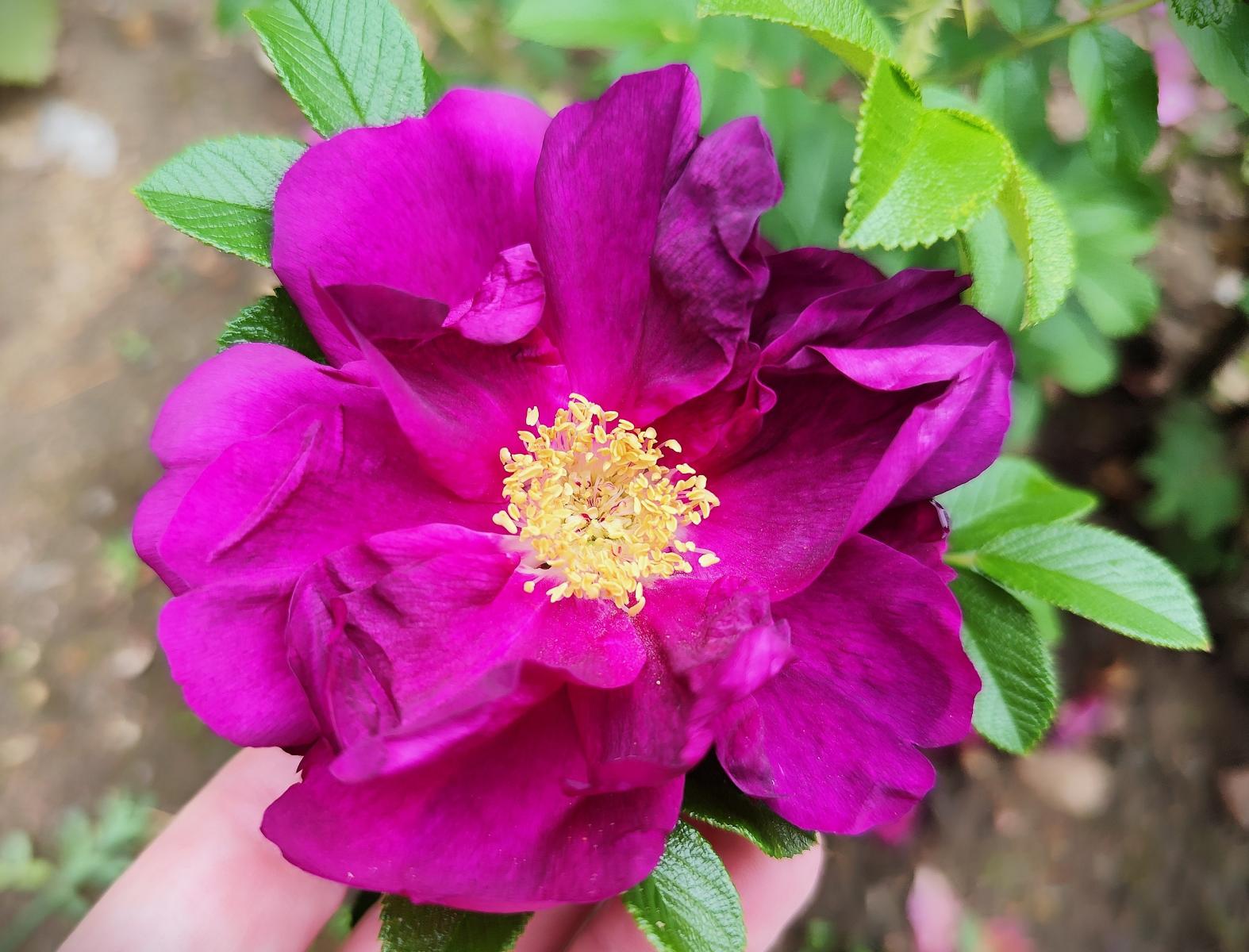
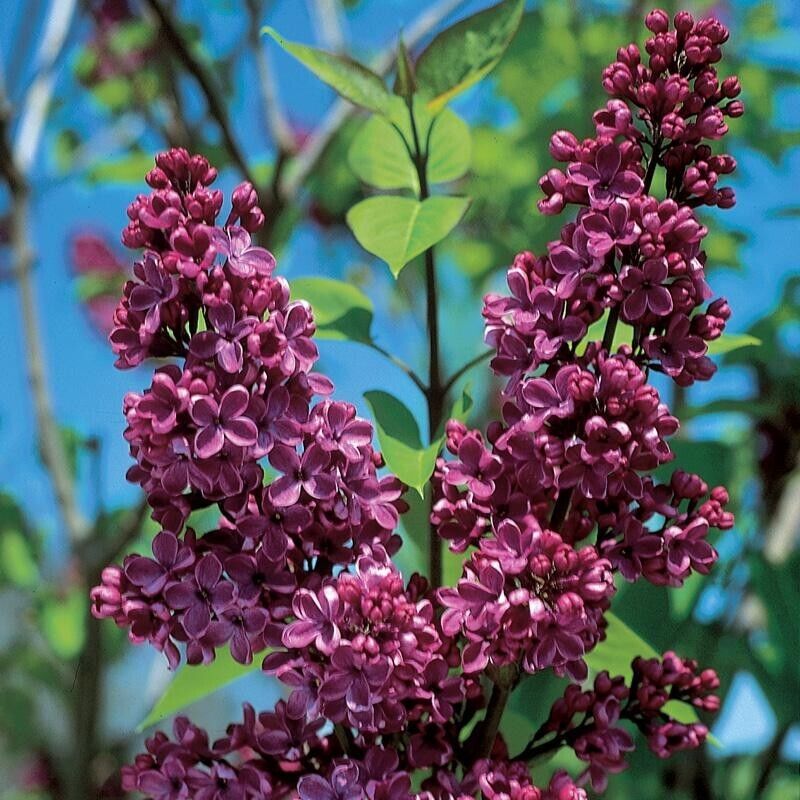
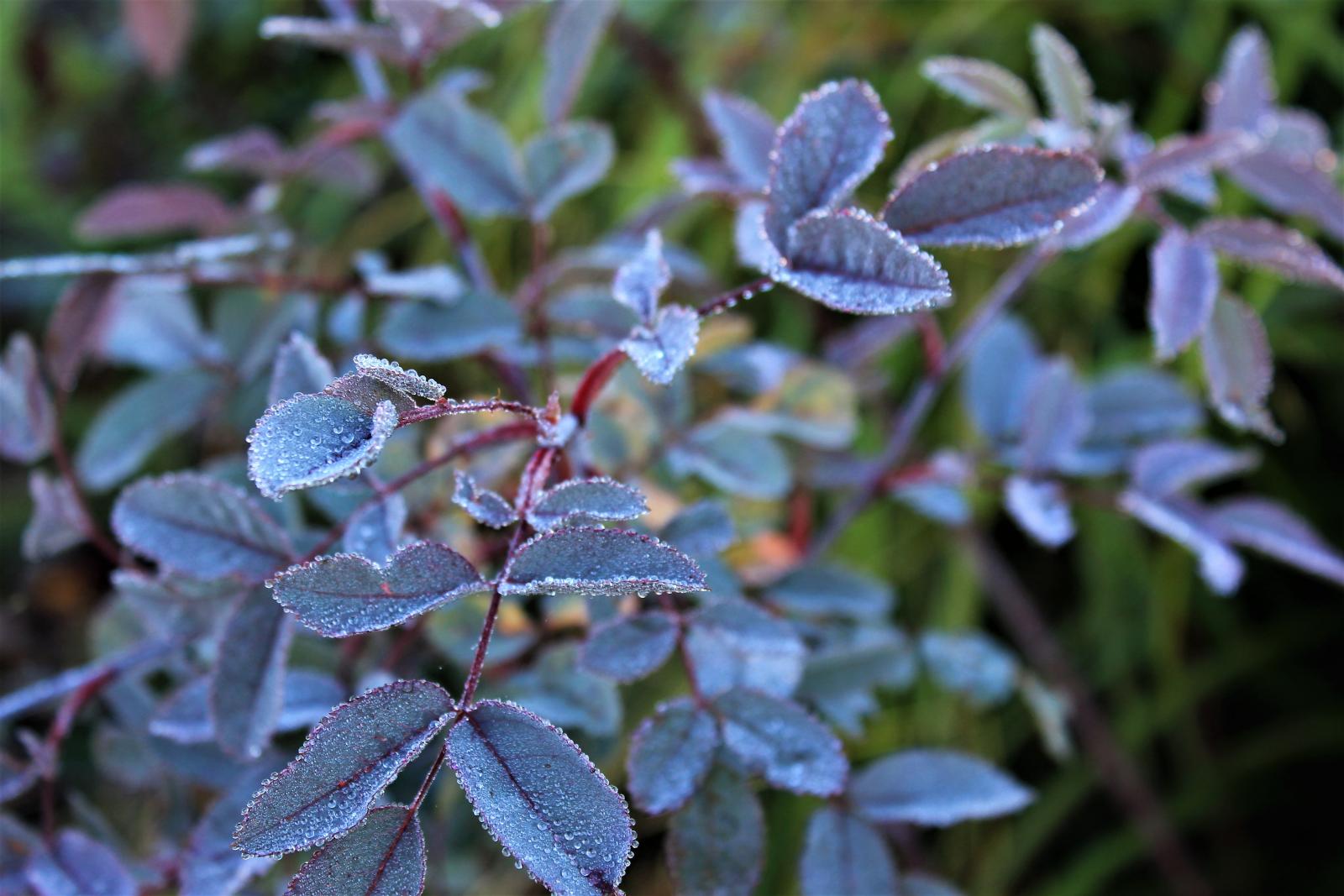
Among woody plants, lilacs were an inseparable part of Lithuanian homesteads. They delighted the eye and nose with abundant fragrant blooms in spring and often marked the main entrance or the edges of the homestead. Roses and related ancient rose varieties also flourished in the most representative spots, symbolizing beauty and strength. In some regions, homesteads without lindens or birches, which provided shade and coziness, were unimaginable.
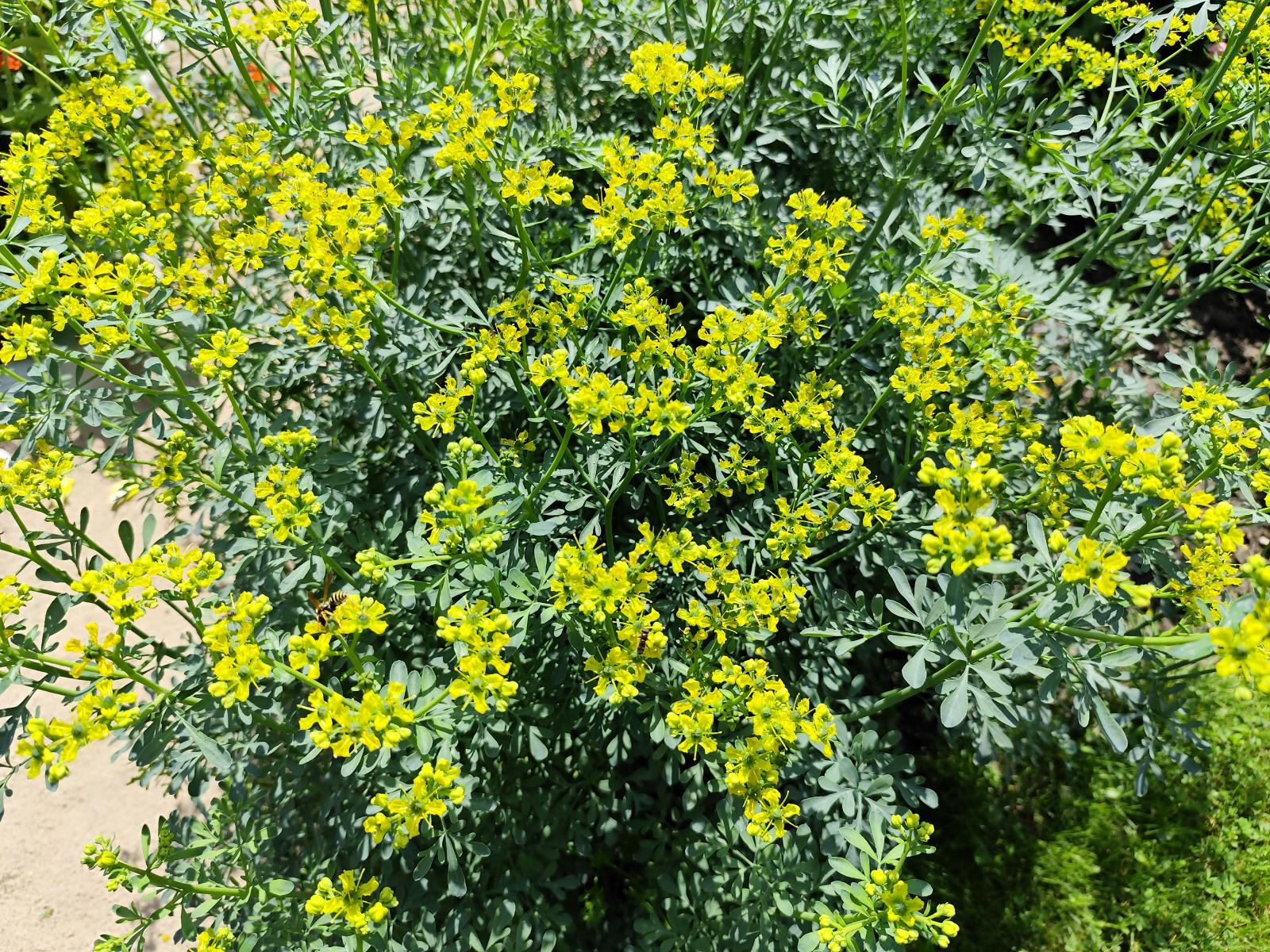
Herbaceous perennials made up most of rural gardens, combining beauty and utility. The green rue was perhaps the most important garden plant, surrounded by folk songs and traditions, symbolizing innocence and youth. Although it appeared in Lithuania later than many believe, it became an inseparable part of the Lithuanian garden.
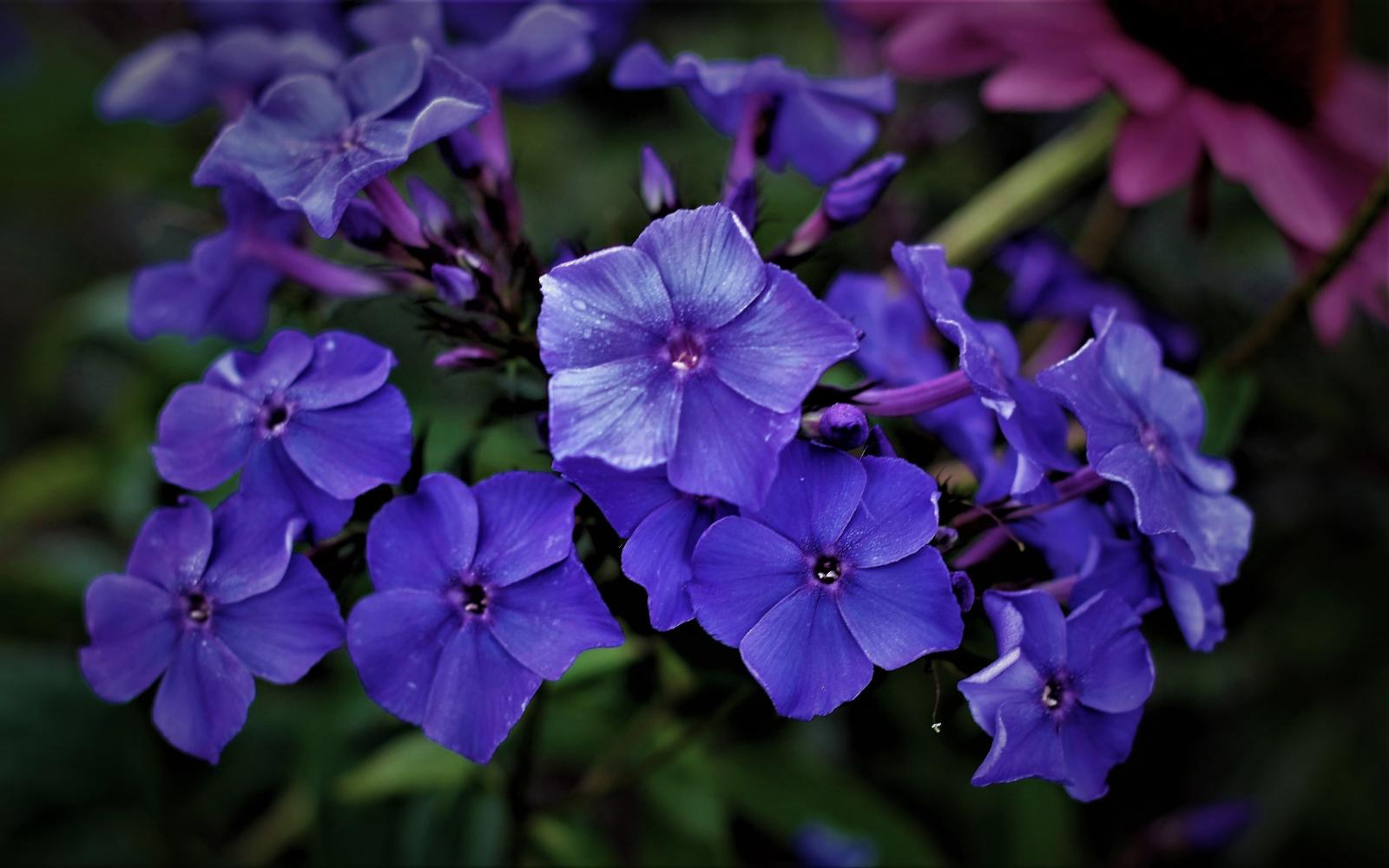
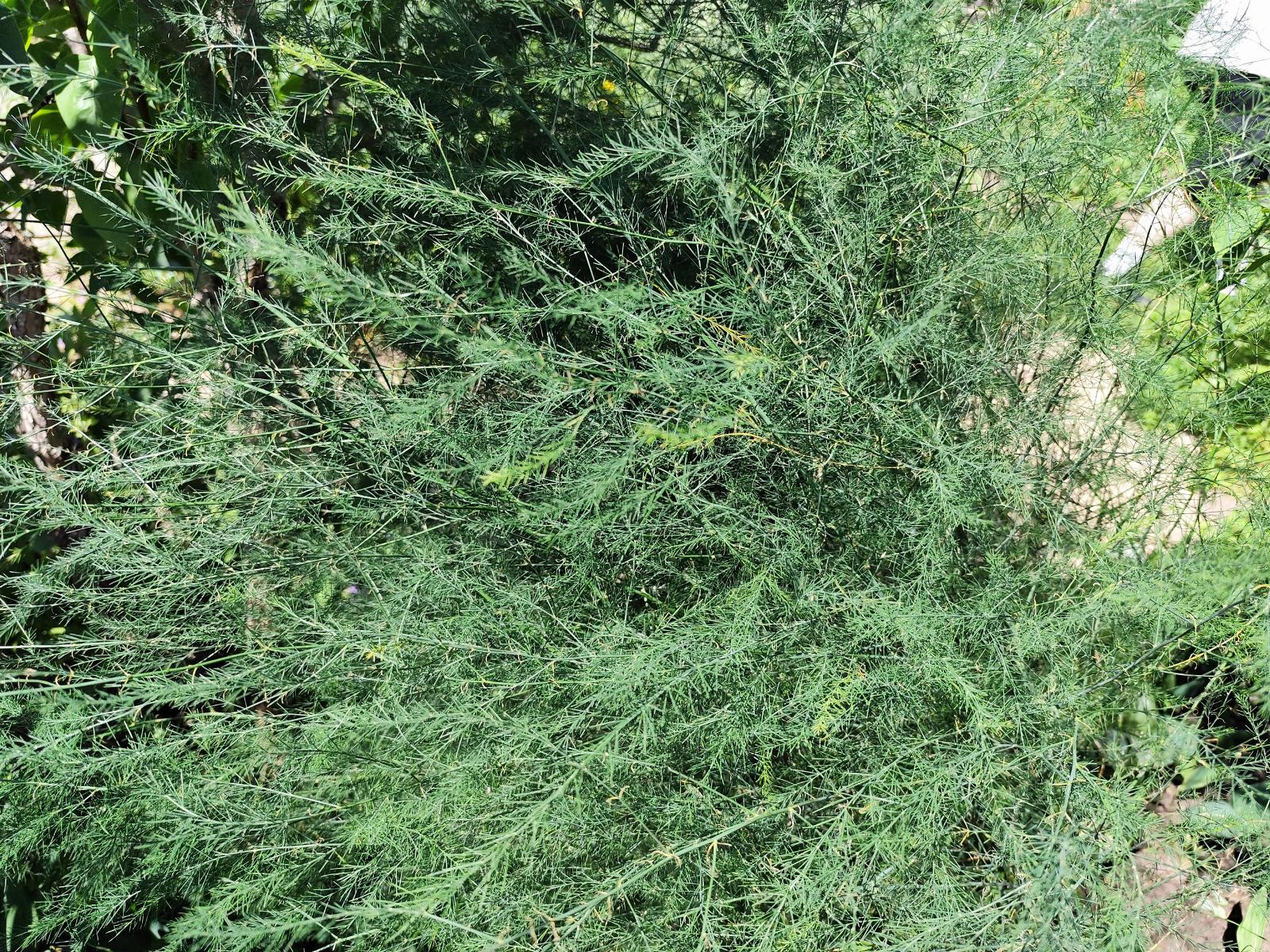
Other popular herbaceous plants included peonies, valued for their luxurious blooms. Medicinal asparagus was a main pre-war garden feature; dogwoods were grown for their pleasant scent, nasturtiums for bright flowers and easy maintenance, sneezeweeds, phloxes, and chamomiles.
Many plants, such as marigolds, mints, medicinal asparagus, and wormwood, had not only decorative but also practical medicinal or culinary value. They were used in teas, remedies, or as spices. Rural gardens were not large, but they reflected the care and creativity of their keepers, and the plant diversity demonstrated long-cultivated traditions.
These historic plants are an integral part of Lithuania’s cultural heritage, reflecting the lifestyle and values of past generations.
GARDEN: URBAN GARDEN
Modern urban gardens increasingly draw inspiration from the past, and the historic plants of rural and manor gardens offer new opportunities to create unique and sustainable spaces where native and well-behaved exotic plants are combined in inventive compositions. While contemporary perennial collections are highly diverse, traditional plants, both woody and herbaceous, can complement and enrich the urban landscape.
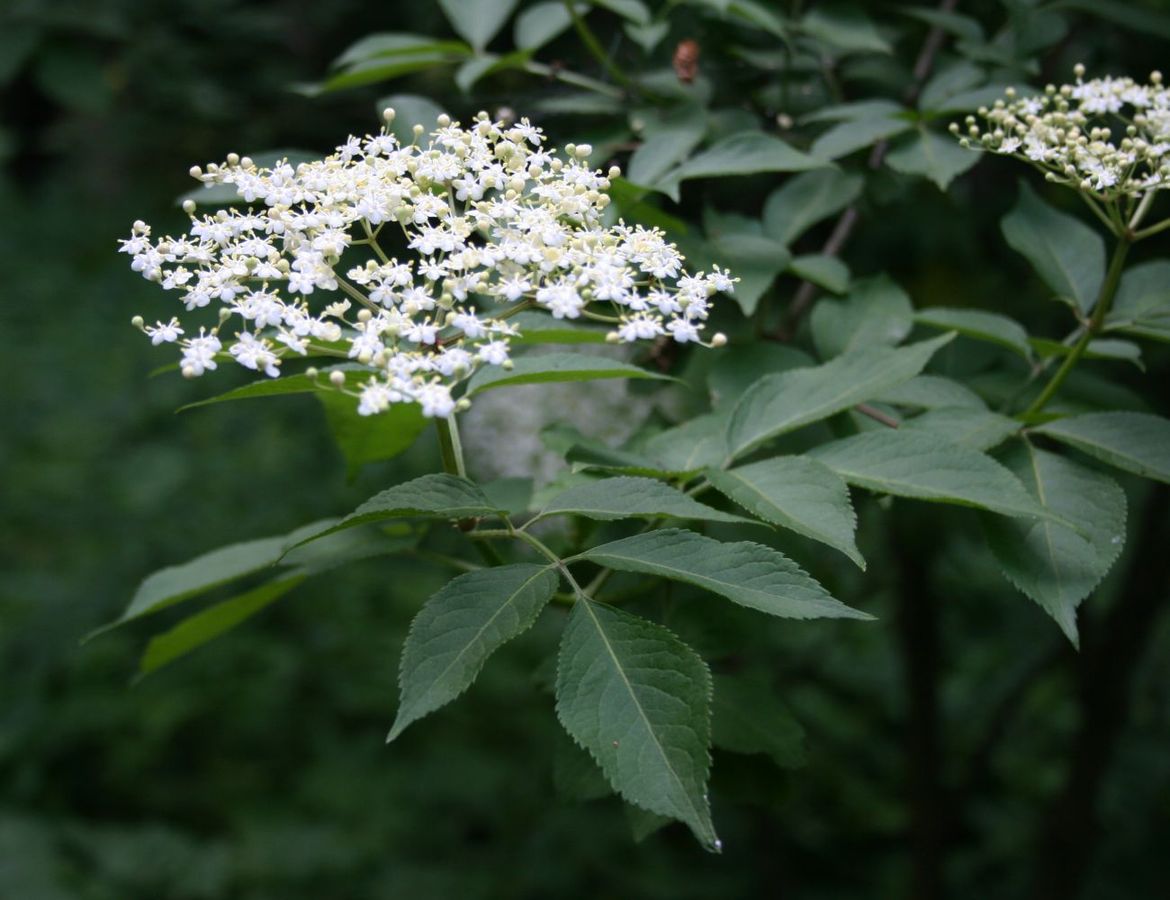
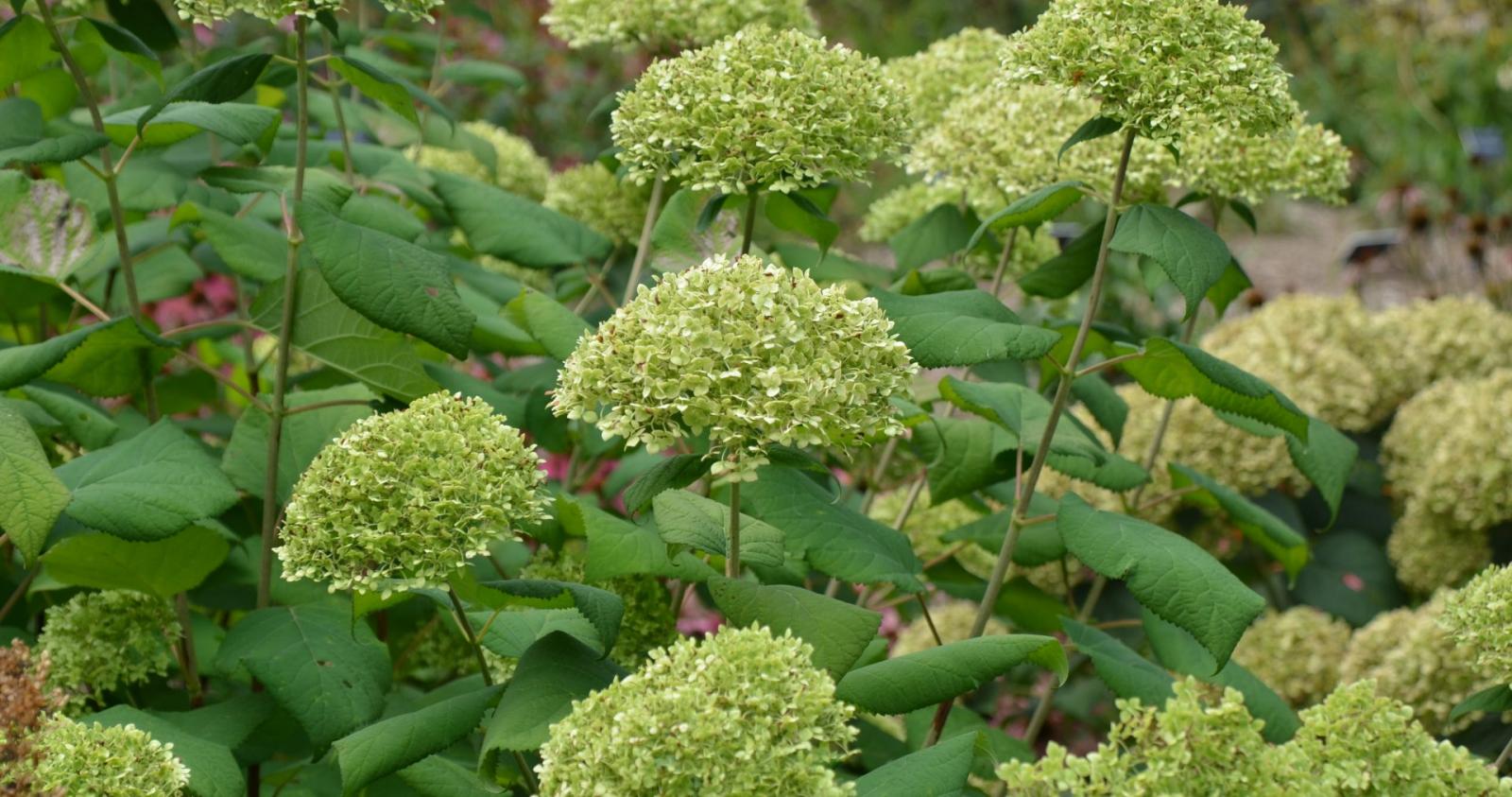
Imagine lilacs, jasmines, snowballs, or peonies that once grew in old manors or rural homesteads. These woody plants are not only durable and long-lived but also bring authenticity and historical value to green spaces. In city parks or squares, they can create fragrant, cozy, and peaceful oases reminiscent of old Lithuanian homesteads. Combined with modern ornamental grasses, such as miscanthus or sedges, they produce contrasting textures and interesting combinations.
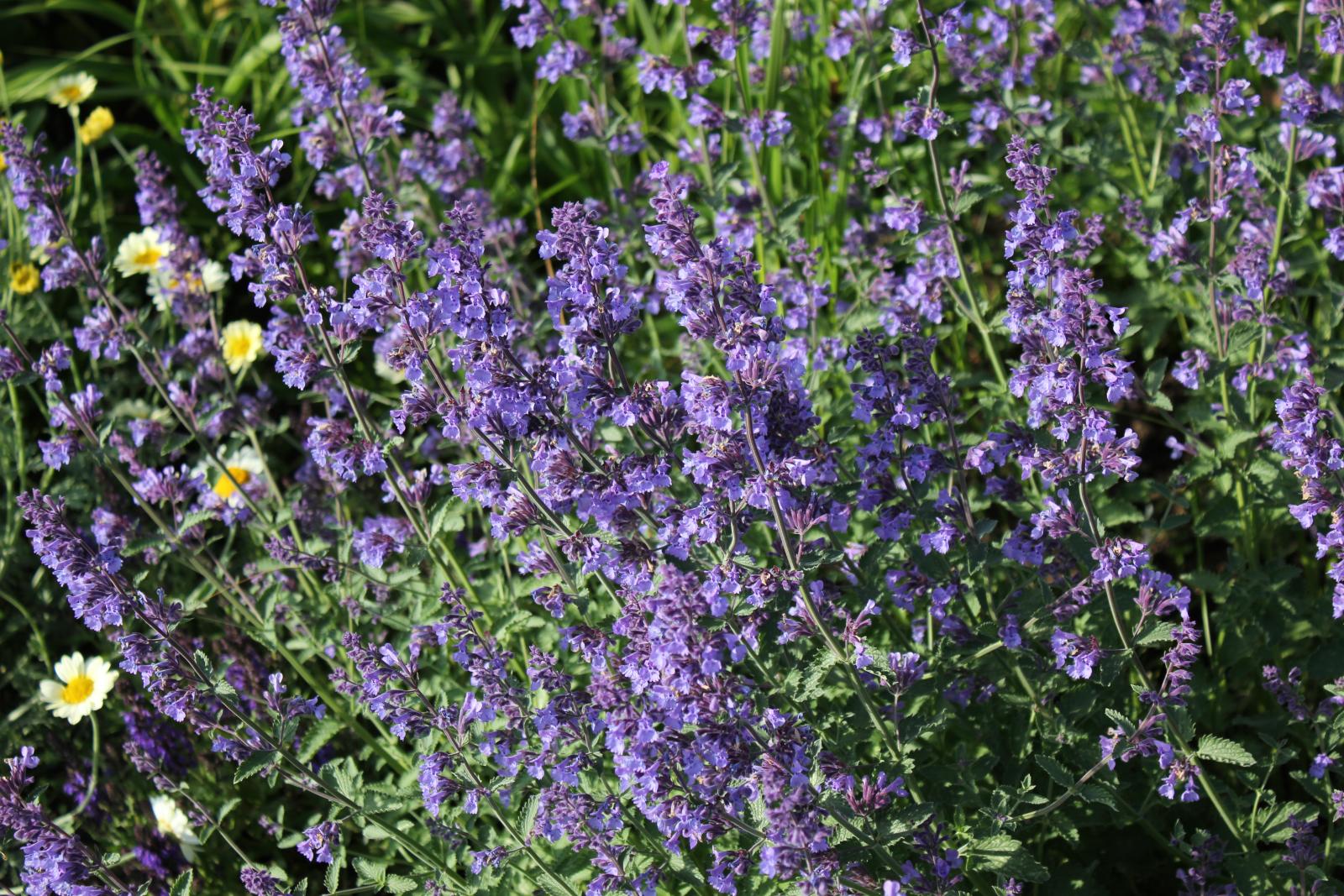
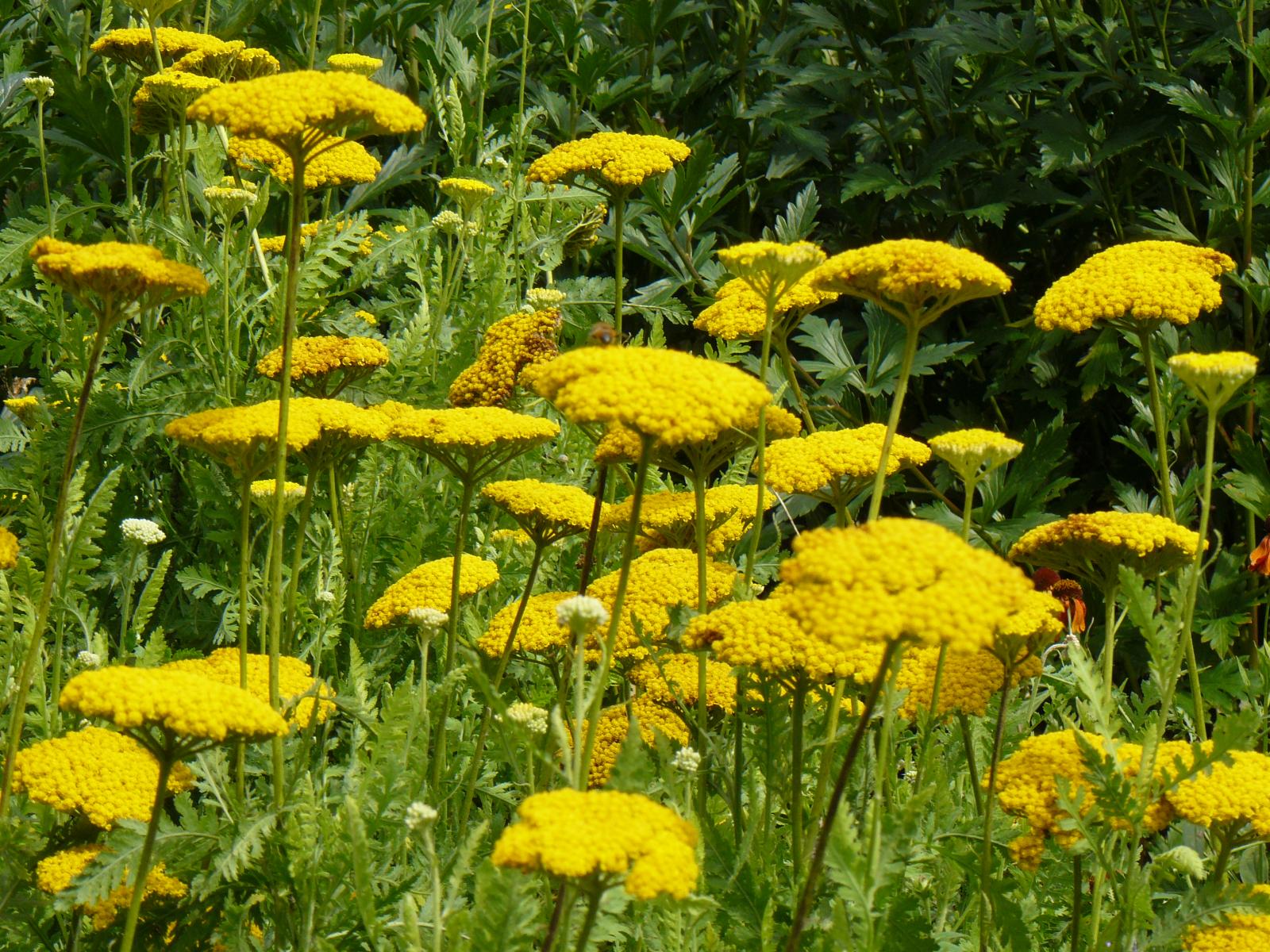
Similarly, rural garden marigolds, chamomiles, or mints can become excellent elements in urban flowerbeds. These herbaceous perennials attract pollinators and increase urban biodiversity while providing pleasant aromas and a sensory experience. They can be paired with modern plants, such as catmints, echinaceas, sages, or ornamental alliums, creating dynamic and long-blooming flowerbeds. Most of these plants are low-maintenance and adapt well to city conditions, reducing the need for care.
By integrating historic plants into contemporary urban gardens, we restore the lost connection with the past while creating sustainable, aesthetic, and ecological spaces that will delight future generations. Have you thought about which historic plants you would like to see in your city?
GARDEN: MEADOW
Sown flowering meadows are not only aesthetically appealing but also ecologically beneficial landscape elements, increasingly popular in both urban green spaces and rural homesteads. This approach involves sowing mixtures of carefully selected flowering wild plants, often native species, to create a natural-looking, vibrant meadow that delights the eye and benefits the environment.
One of the main advantages of sown flowering meadows is their ability to attract and support biodiversity. The abundance of flowers draws various pollinators—bees, butterflies, and other insects—which are vital for the ecosystem. Additionally, these meadows provide shelter for small animals and birds.

In urban green spaces, sown flowering meadows are an excellent alternative to traditional lawns. They require less maintenance—less frequent mowing, watering, or fertilizing—reducing water consumption and chemical use. They also help mitigate urban heat island effects by absorbing sunlight and cooling the surroundings. In cities, they can be used in parks, squares, roadside areas, and other public spaces, adding naturalness and color.
In rural homesteads, sown flowering meadows blend beautifully into the landscape, creating a romantic and idyllic atmosphere. They can be sown around houses, along garden paths, or as part of larger flowerbed compositions. They not only decorate the surroundings but also contribute to restoring natural ecosystems, bringing elements of wild nature into the cultivated environment. Additionally, such meadows emphasize the uniqueness of the homestead and a love of nature.
Sown flowering meadows are a versatile and sustainable solution, suitable for both modern cities and traditional homesteads. They delight the eye and play an important ecological role, contributing to a healthier and more vibrant environment.

.png)
The goal of the project: to highlight the importance of vegetation to humanity through innovative solutions based on educational content and natural science simulations.
Project objectives to achieve the goal:
- to promote active interest among students in environmental protection processes;
- to form habits of personal responsibility towards living nature;
- to popularize natural sciences, especially various branches of biology;
- to ensure that students link their future careers with natural sciences.
Relevance of the project:
The plant simulation research laboratory established in the Aukštaitija National Park will invite students to learn natural sciences through experience outside of school. By meeting scientists, getting acquainted with future professions, and solving real-life tasks, students will develop a personal relationship with nature and the world around us. In the plant research laboratory, through innovative educational programs prepared together with natural and exact science teachers, students will practically apply the acquired knowledge:
- will learn about vegetation from the past - delving deeper into the knowledge of rare species in evolutionary biology,
conservation;
- will explore the present - combining knowledge from interdisciplinary natural sciences;
- will test the possibilities of future sciences - by getting acquainted with the science of astrobiology;
Project partners:
VU scientists - biologists, astrobiologists;
Teachers (biology, chemistry, physics, IT);
Robotics specialists;
Brief project description:
A glass plant research laboratory is being established in Aukštaitija National Park, where experimental simulations of remote plant planting and observation on the lunar surface, excursions, education, meetings, conferences and seminars will be held.
Plant growth simulation stages according to the development process:
- Presentation of knowledge relevant to the simulation and in accordance with the content of educational programs (biology, chemistry, physics), introduction to the topic;
- Mission to the moon using video game simulation (physics, mathematics, astronomy), a challenge for teams;
- Planting a plant in artificial regolith with the help of a robot (biology, IT/robotics), experimental process;
- Long-term remote monitoring of the plant and monitoring/recording of changes, formation of responsibilities and consistent practices;
- Presentation of analysis of processed plant observation data, development of critical thinking;
- Transferring the plant to the class that participated in the experiment, creating long-term/sustainable relationships;
INTERNATIONAL STUDENT SUMMER CAMP
"GREEN STORIES"
FREE nature conservation summer camp for 8th-9th grade students from the territory of Aukštaitija National Park and Labanoras Regional Park (Ignalina, Utena, Molėtai, Švenčionys districts) and Latgale (Latvia) region
JUNE 25-29, 2025, MEIRONYS, IGNALINA DISTRICT

REGISTRATION
If you are an 8th-9th grade student who wants to learn the secrets of nature and experience the challenges of a young naturalist, fill out the form and see you this summer at the Nature School! Don't delay, because THE NUMBER OF PLACES IS LIMITED!
https://forms.gle/r5PHKxx4jr4cF7Sd9

CAMP ENVIRONMENT
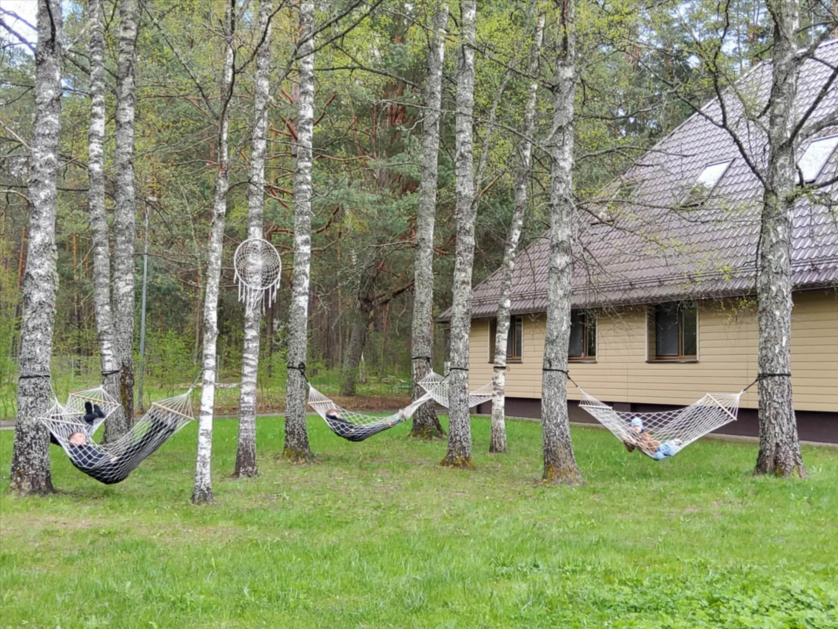
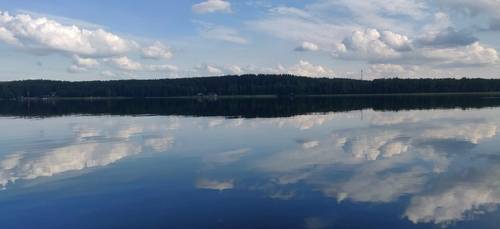
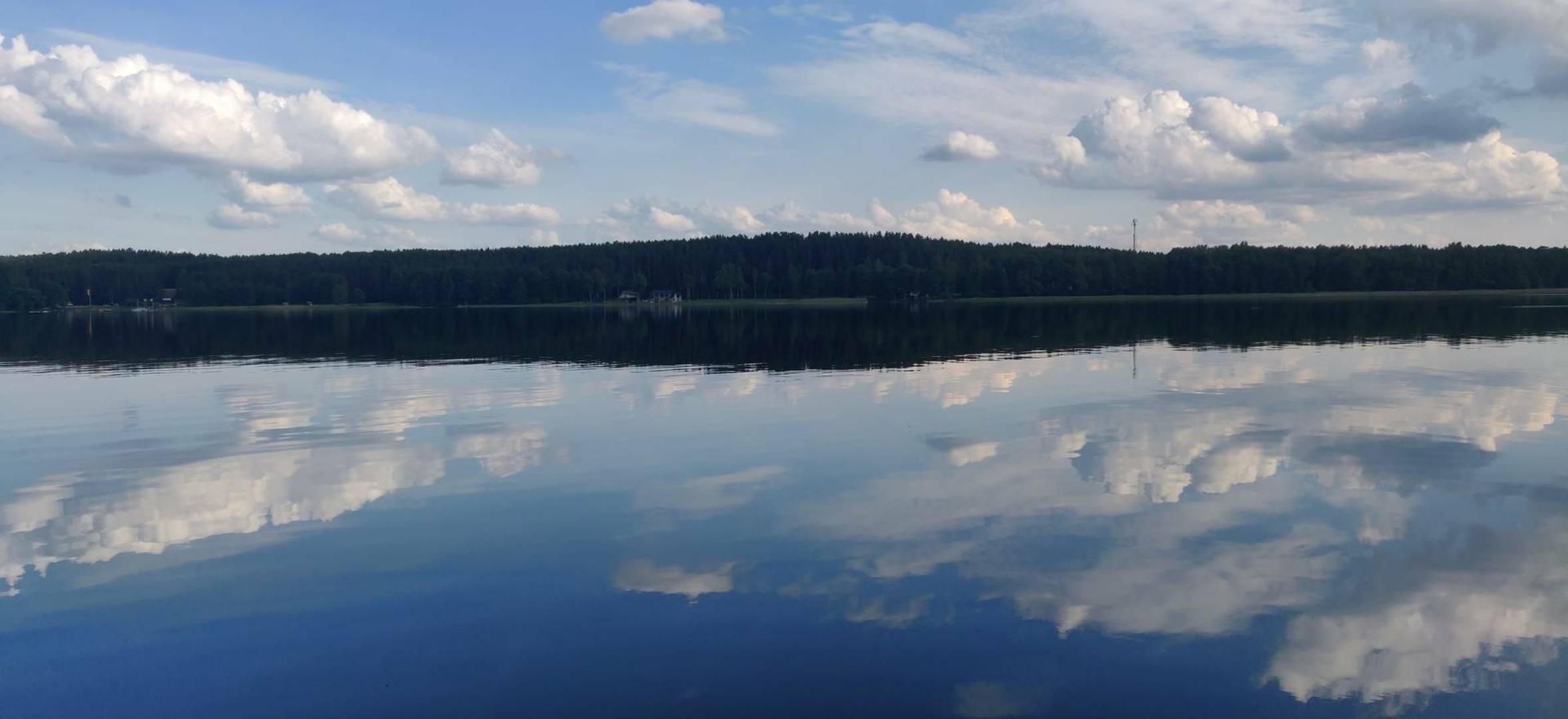
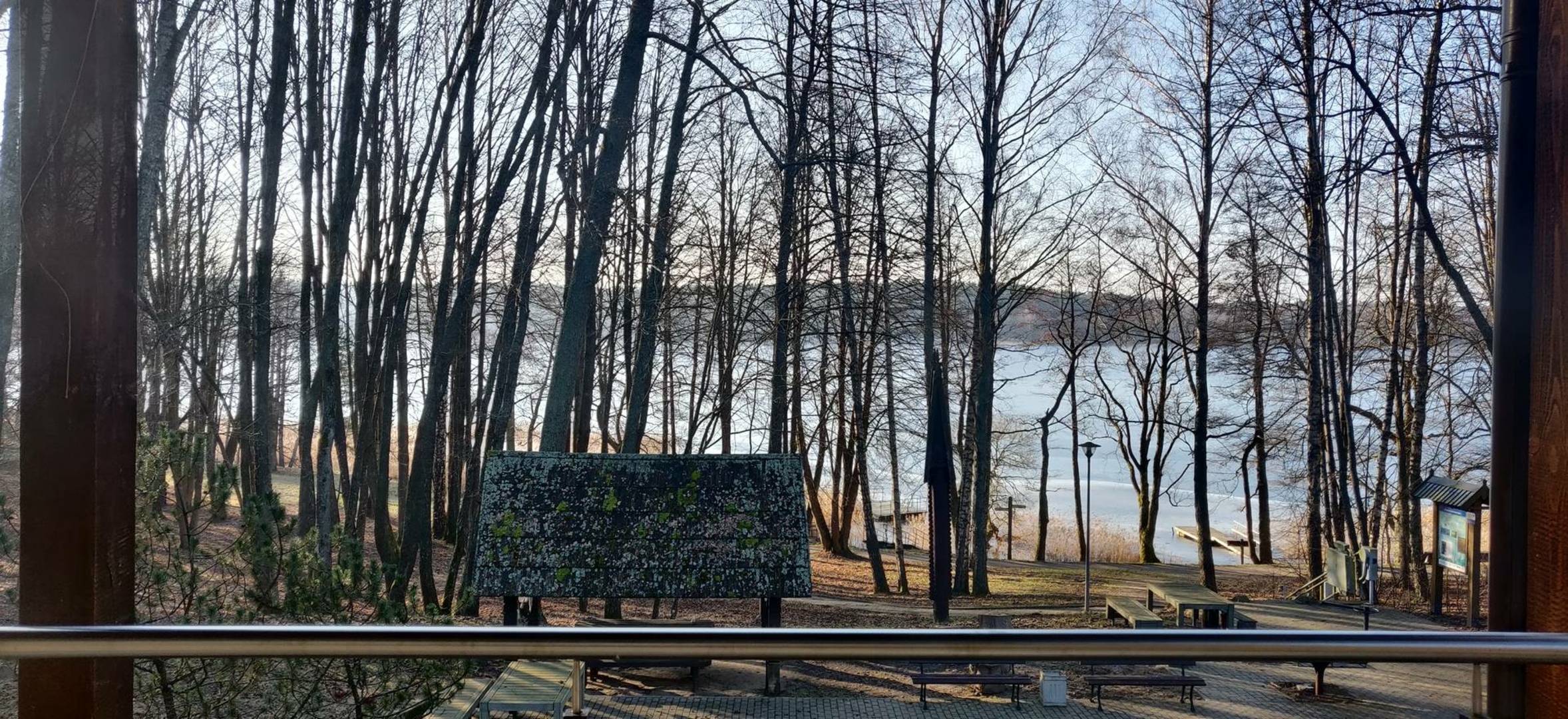
The camp will take place at the Aukštaitija National Park Nature School, located in the nature reserve
surrounded by mountains, on the shore of Lake Lūšiai.
This is a wonderful place to explore the natural and cultural values of the national park.
The school offers comfortable accommodation in 4-bed or 7-bed rooms,
All amenities for basic needs are provided (kitchen, showers, WC).
ABOUT THE CAMP
Purpose
Through various environmental educational and creative activities, help students create an emotional connection with their immediate environment, develop a responsible attitude towards nature and its conservation by providing the opportunity to get to know biodiversity up close, and expand their horizons and awareness by introducing the Moon Laboratory.
Activities
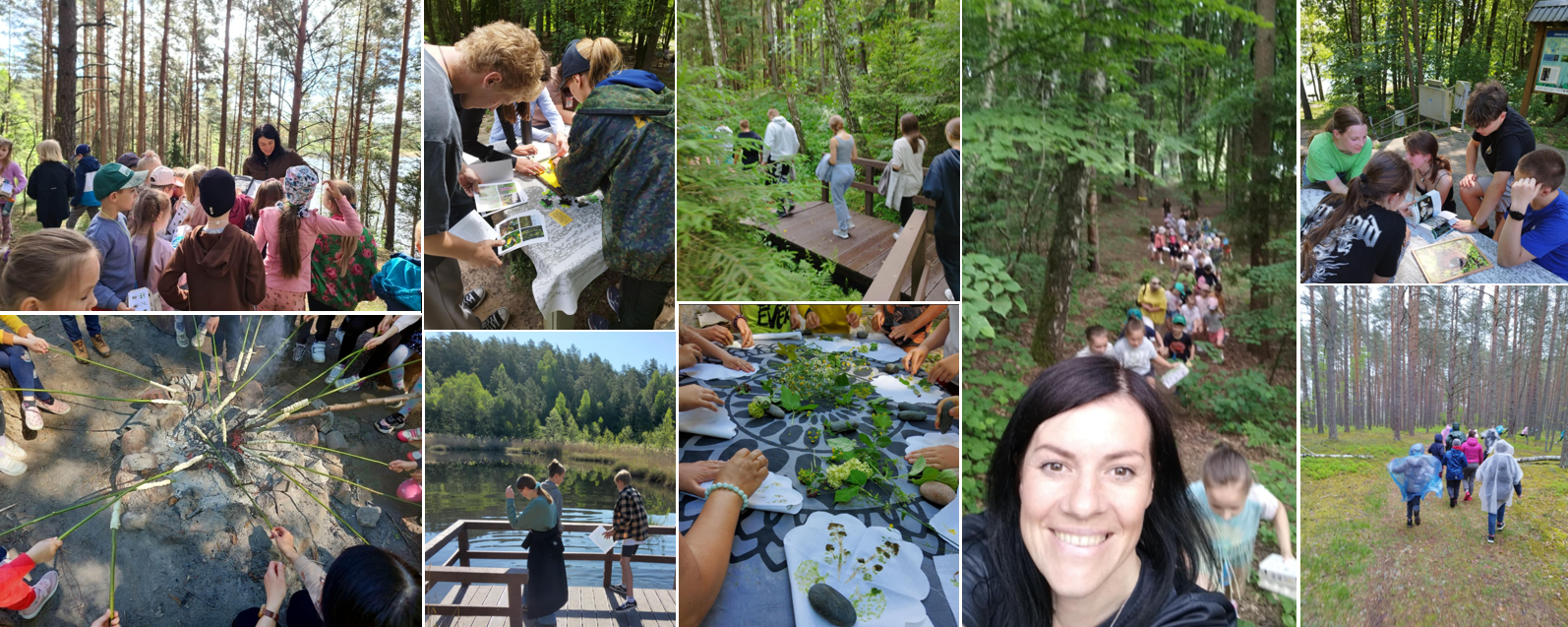
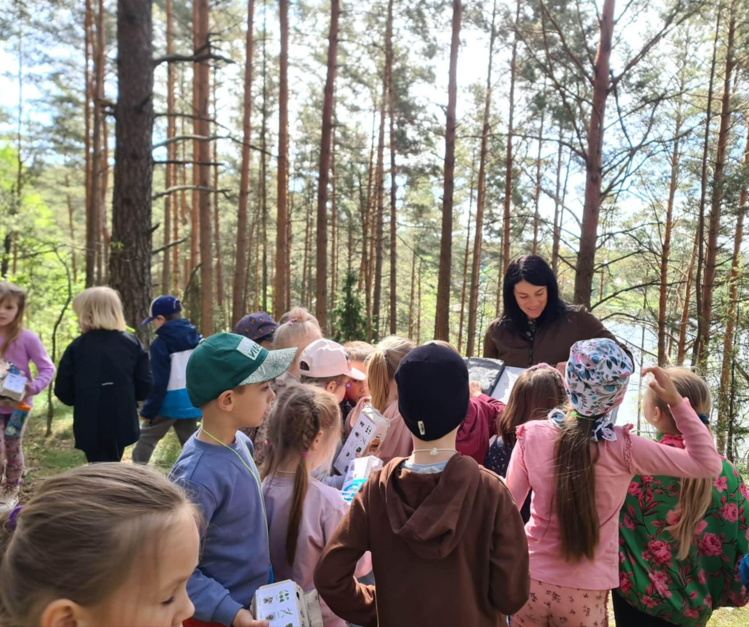
* Educational excursions in nature and the surrounding area, getting to know the local culture, traditions, and natural objects.
* Night nature observation hikes with park educators and naturalists while completing practical tasks, becoming young naturalists.
* Educational and creative tasks in teams, joint leadership development projects, and a presentation event for parents.
Internationality
* 14 students from Lithuania and 9 students from Latvia.
* We will get to know each other's cultures and traditions, acquire new knowledge, skills, and contacts in an international context, which will help us on the path of personal and professional development.
* We will improve our English communication skills.
Context
* The camp is implemented and financed as part of the project "Green Stories. Society education and raising public awareness on the importance of flora to humanity" (No. LL-00188) under the 2021–2027 Interreg VI-A Latvia-Lithuania Cross-Border Cooperation Programme.
* The project aims to increase public awareness of the importance of nature and its conservation through innovative solutions based on educational content and natural sciences. Public environmental education is the main focus of this project, with a special focus on schoolchildren.
CAMP ACTIVITIES AND AGENDA
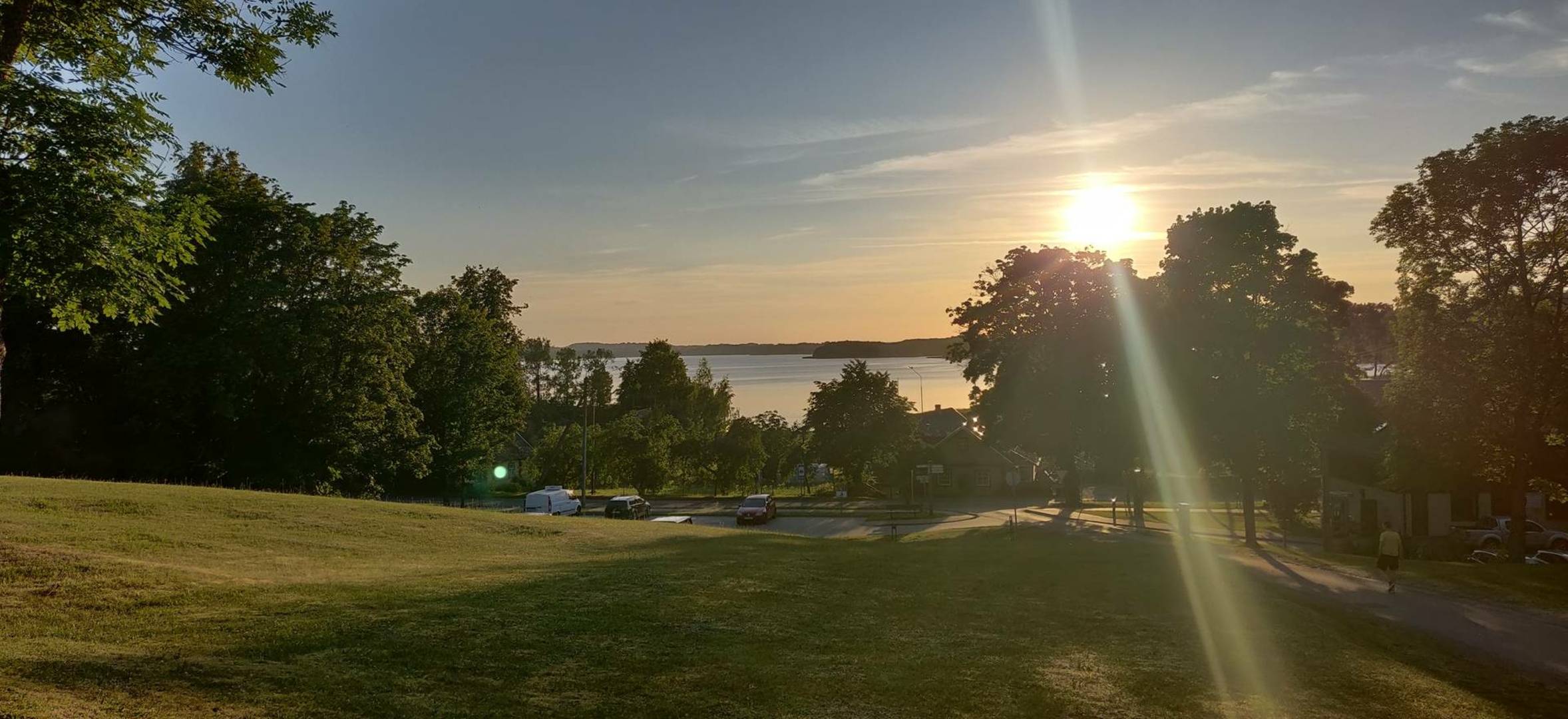
At the camp, you can expect a lot of time in nature, educational excursions around Palūšė, night hikes with park naturalists, educational and creative tasks in teams, sunsets on Lūšiai, evenings by the campfire and much more...
Arrival : 2025 June 25th 9:00am, Aukštaitija National Park Nature School, Lūšių g. 16, Palūšės k., 30202 Ignalina district ( we'll have breakfast at home! ).
Preliminary camp program (subject to change due to weather conditions and other circumstances):
Day One. Topic – “Knowledge”
9:00-10:00 Registration, accommodation
10:00 – 12:00 First tea, briefing, program presentation
12:00 – 1:00 PM Lunch
13.00 – 13.30 Presentation of Aukštaitija National and Labanoras Regional Parks
1:30 p.m. – 3:00 p.m. Getting to know each other games
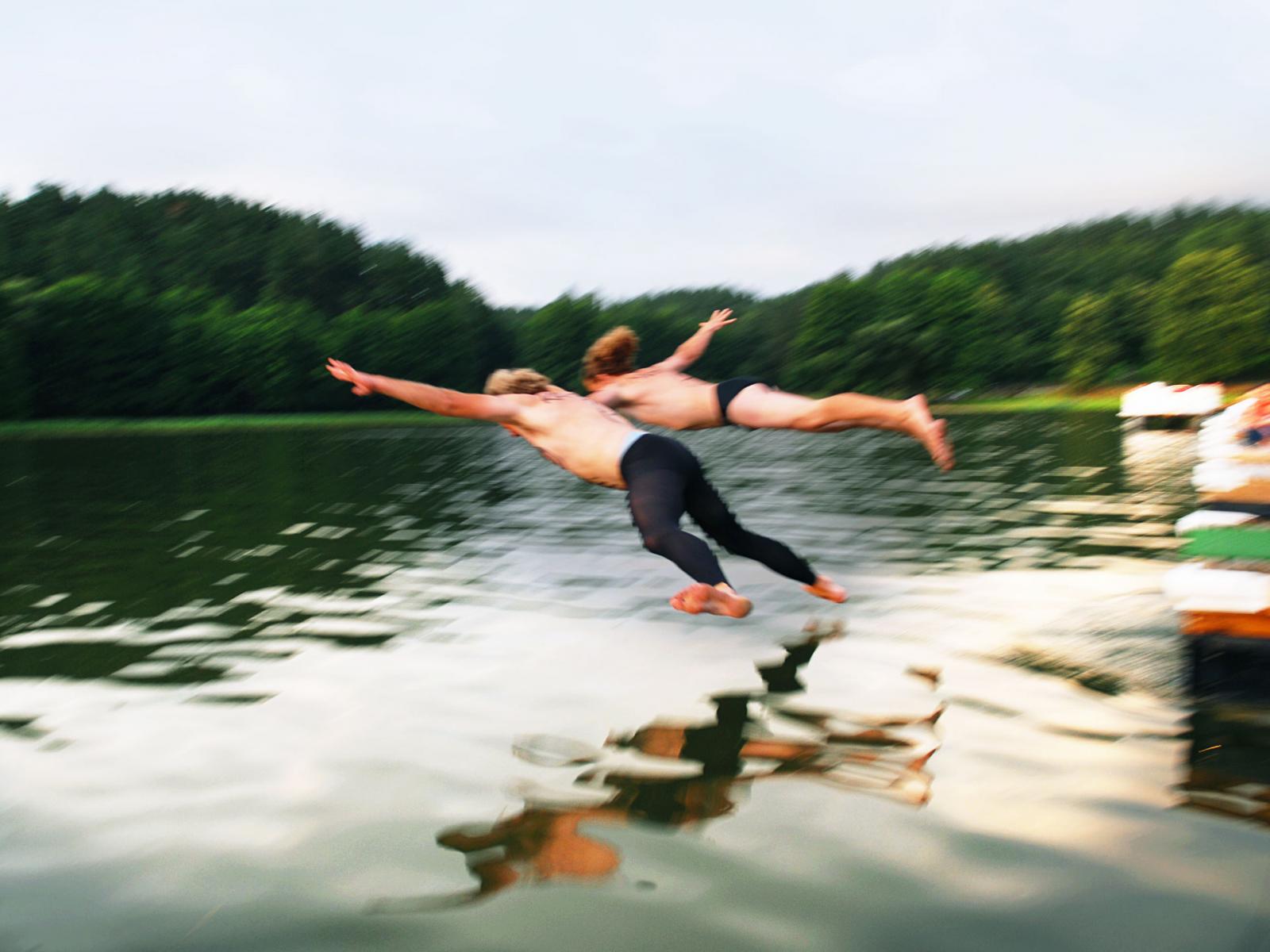
15.00 – 17.00 Excursion to Palūšė, swimming
5:00 PM – 6:00 PM Free time
6:00 PM – 7:00 PM Dinner
19:00 – 21:00 daily reflection, time for team preparation for the weekly project of creating a “Green Story”
21.00 – 23.00 Cultural evening
Day Two. Topic – “Plants”
8:00 – 9:00 a.m. wake up, exercise, sun salutation
9:00 – 10:00 breakfast
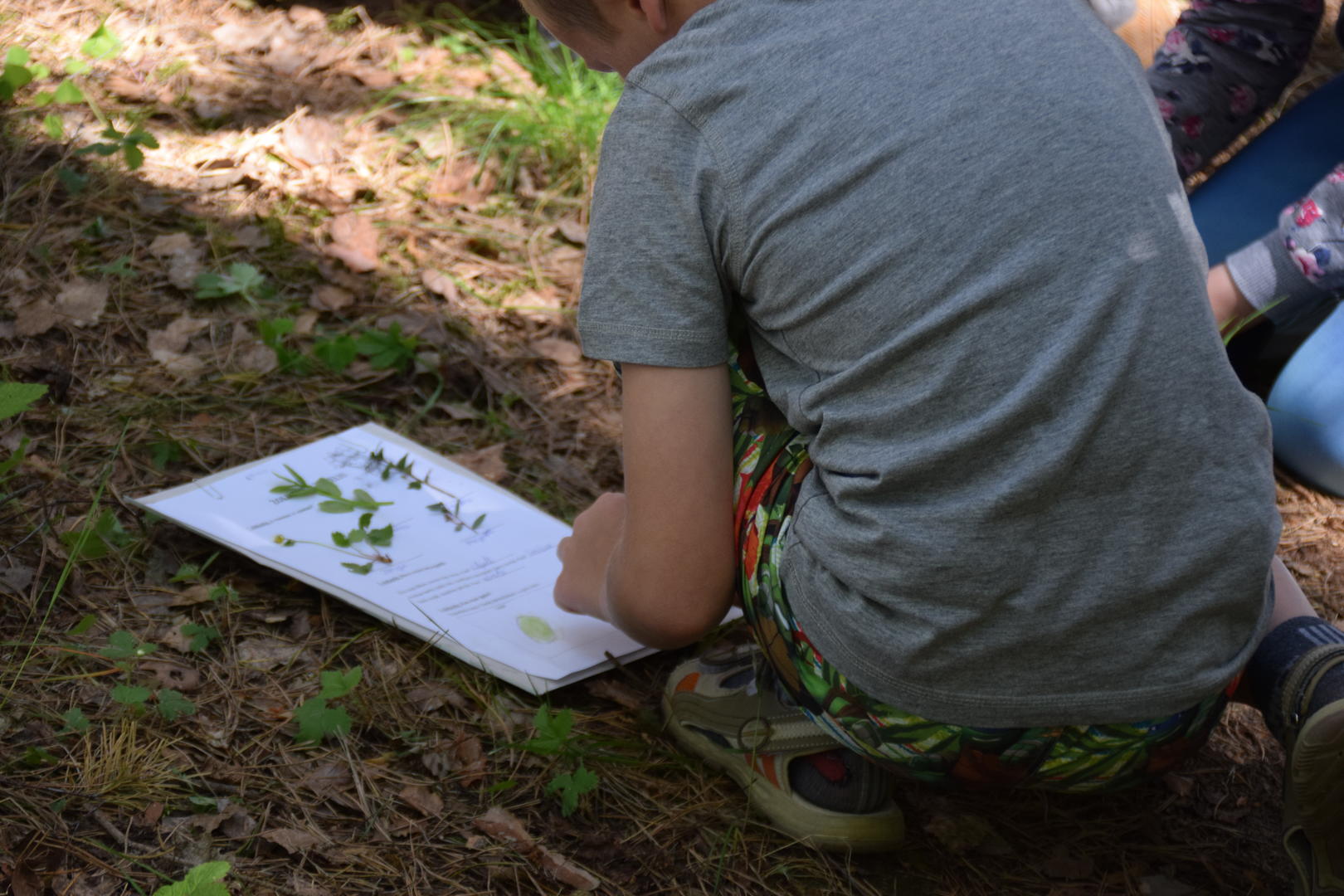
10:00 – 13:00 creative challenge in teams, plant species rally, nature workshop about plants
properties, educational education about plants
13.00 – 14.00 lunch
14.00 –17.00 creative challenge in teams
18:00 – 19:00 dinner
19:00 – 21:00 daily reflection, time for team preparation for the weekly project
creating a “Green Story”
21.00 – 23.00 Cultural evening
Day Three. Theme – “Flyers”
8:00 – 9:00 a.m. wake up, exercise, sun salutation
9:00 – 10:00 breakfast
10:00 – 13:00 educational education about birds and their melodies, orientation
game in the forest
13.00 – 14.00 lunch
14.00 – 16.00 interactive education “Bird Clock”
16.00 –18.00 creative naturalist challenge
18:00 – 19:00 dinner
19:00 – 22:00 daily reflection, time for team preparation
for the week-long project creating a “Green Story”
22.00 – 23.00 practical education "Bat Night"
Day Four. Theme – “Water”
8:00 – 9:00 a.m. wake up, exercise, sun salutation
9:00 – 10:00 breakfast
10:00 – 12:00 Creative naturalist challenge and educational education
12:00 – 1:00 p.m. free time and preparation for afternoon activities
13.00 – 14.00 lunch
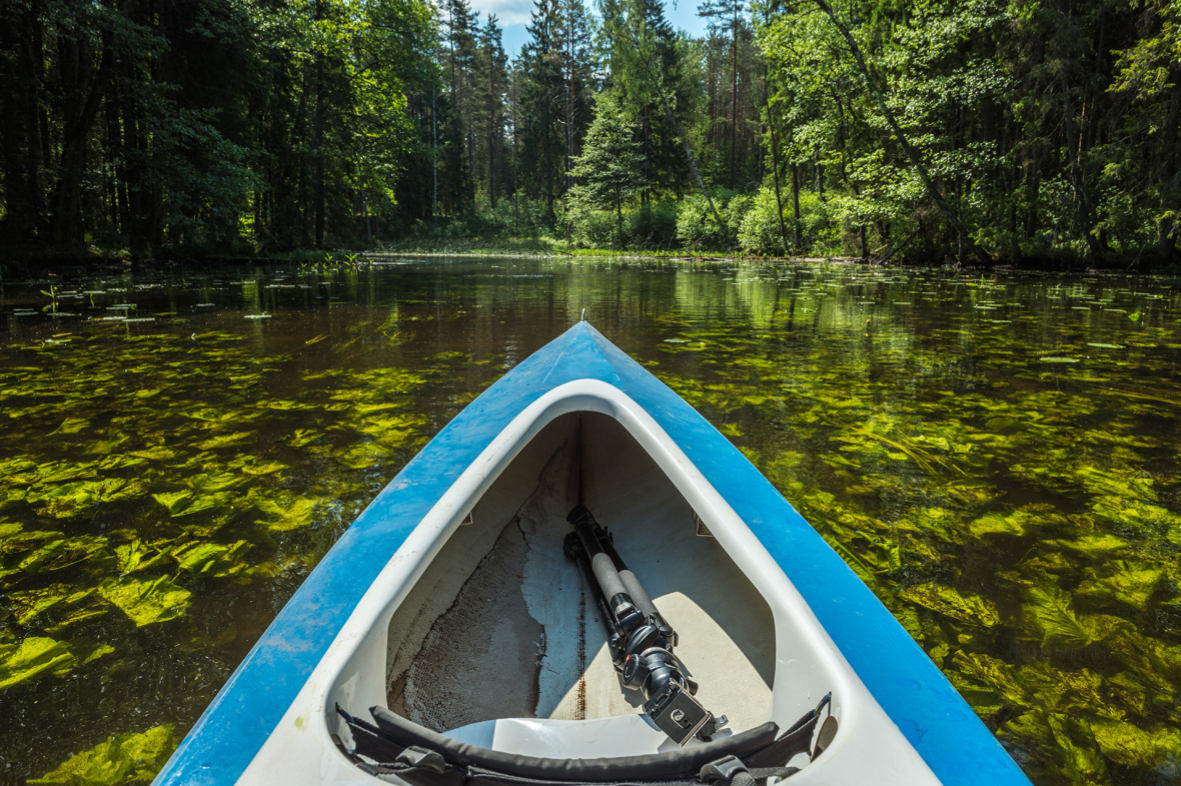
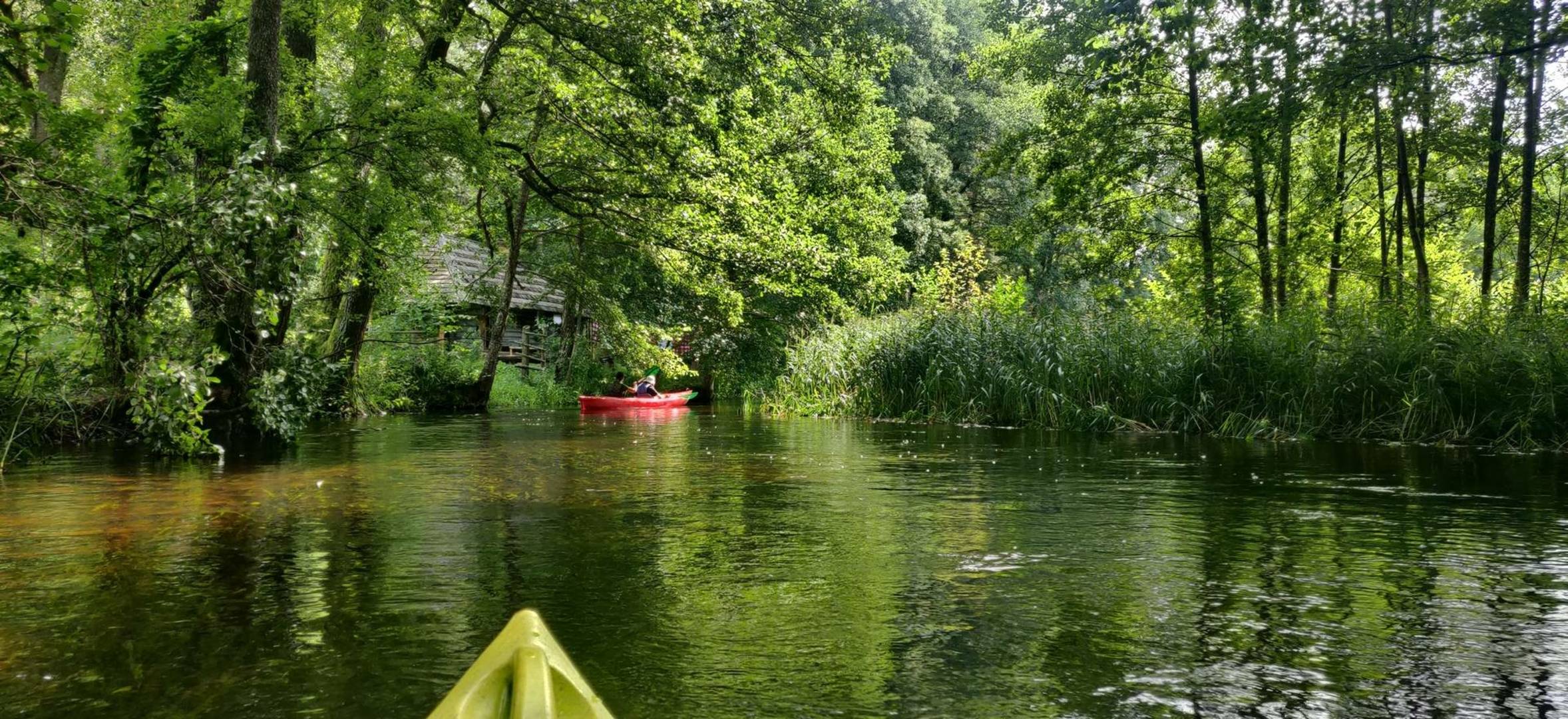
2:00 PM – 6:00 PM water hike and educational program
18:00 – 19:00 dinner
19:00 – 21:00 daily reflection, time for team preparation
for the week-long project of creating a “Green Story”
21.00 – 23.00 Cultural evening
Day Five. Theme – “Green Stories”
6:00 – 9:00 a.m. morning nature hike
9:00 – 10:00 breakfast
10:00 – 13:00 educational and cultural excursion to the Museum of Ancient Beekeeping
13.00 – 14.00 lunch
2:00 PM – 4:00 PM preparation for the presentations of the teams' creative weekly projects, "Green Stories"
4:00 PM Presentations of weekly team projects. Farewell.
Additional activities
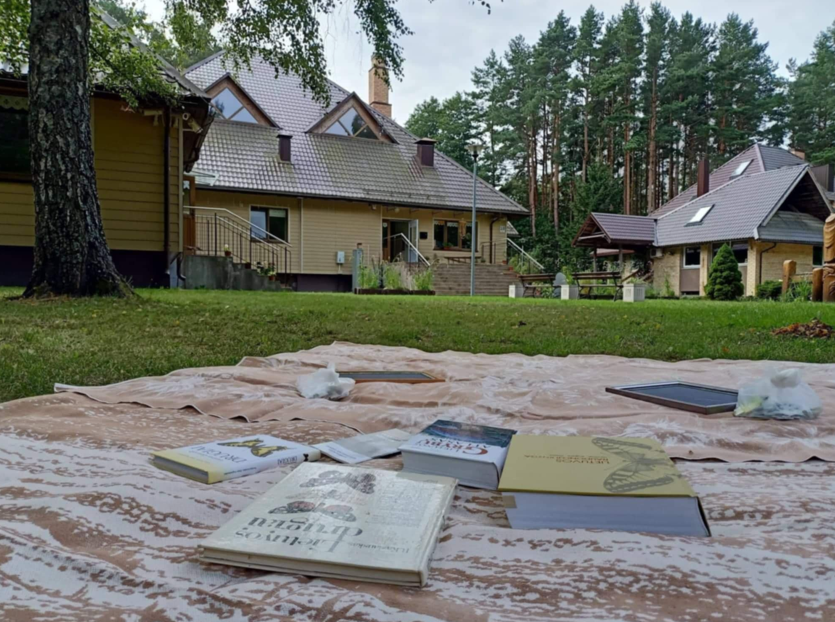
At the nature school you will find a basketball court, board games, books about nature, and a fishing pier.
Children can bring a ball or fishing rod (inventory is not provided on site) and use their free time
for your favorite activities..png)
CAMP MEALS AND RULES
* Fresh, full meals are served daily: breakfast, lunch, dinner, and healthy snacks throughout the day.
* Phone time is limited.
* Swimming only with the whole group, at an agreed time, under the supervision of group leaders.
* Arrival and departure by own transport.
* Breakfast on the first day and dinner on the last day - at home.
* Parents will be given the group leader's phone number to contact if necessary.
* Accommodation in rooms – 4-6 people, randomly arranged, taking into account gender and keeping an equal number of children in the room
from Lithuania and Latvia, to ensure equality and internationality.
TEAM
The classes will be led by experienced, passionate and knowledgeable nature and ethnocultural specialists and educators from Aukštaitija National Park and Labanoras Regional Park.
Staff responsible for the implementation and safety of the camp:
Camp Director
Sigute Mudinienė
Group leader
Veronika Garbulienė
Project Manager
Agne Vaišyte
CONTACTS FOR INQUIRIES
Project Manager Agnė Vaišytė
Email: [email protected]


The administration of Aukštaitija National Park and Labanoras Regional Park is launching the “Green Stories” project (LL-00188), aimed at biodiversity conservation and strengthening public awareness and knowledge in the field of nature protection. Using advanced methods and creating an engaging environment, the project seeks to influence the attitudes of residents in relevant regions and countries toward nature, improve practical skills in environmental protection, which will lead to more sustainable actions in nature, and potentially increase the attractiveness of natural sciences as a professional choice. The administration has long been working purposefully toward these goals in its daily activities, so the project’s activities will directly complement and enhance the tools and measures already in use.
Key Project Information
The project has received funding under the 2021–2027 Interreg VI-A Latvia–Lithuania Cross-Border Cooperation Programme.
Project duration: March 1, 2024 – August 31, 2026
Project partners: Aukštaitija National Park and Labanoras Regional Park Administration (lead partner), Daugavpils University (project partner)
Total project budget: €754,759.16
More about the project: https://latlit.eu/theprojects/green-stories/
The project covers a wide range of activities, which will be actively shared throughout its implementation and involve public participation. The main project components include:
Inventory studies of existing natural resources, rare plant species, and historically cultivated cultural plants in Aukštaitija National Park, Labanoras Regional Park, and Silene Nature Park, aiming to assess the current status of rare and historical plants in the project areas. The collected data will supplement existing national databases, and a new freely accessible historical plant database will be created. Based on the research data, educational and informational materials will be developed for public education and scientific purposes: historical and rare plant catalogs in Lithuanian and Latvian, new educational packages, and outdoor exhibitions of historical and rare plants in Lithuania and Latvia.
New interdisciplinary educational programs for students and the general public, designed to raise awareness and knowledge in environmental protection and biodiversity, highlight the challenges facing endangered plant species, improve the condition of rare plant habitats, and present the latest scientific achievements. The content of these activities will be based on relevant school curricula, natural sciences (biology, astrobiology, etc.), and the contexts of Aukštaitija National Park, Labanoras Regional Park, and Silene Nature Park. The developed educational materials will provide the public with science-based and relevant knowledge on the importance of biodiversity conservation, emerging threats, and encourage participation in preserving botanical resources.
Creation of new environmentally and climatically friendly infrastructure:
The educational spaces and content developed through the project have no regional equivalents. The conditions created, research conducted, and collaboration with the academic community (Daugavpils University, Vilnius University, Vilnius TECH, Vytautas Magnus University as idea development and implementation partners), along with the pooling of shared resources, will expand the range of activities that project partners can implement, enabling innovative, science-based, and interdisciplinary solutions for the conservation and enhancement of biodiversity. It is expected that project activities will make a significant contribution to positively impacting biodiversity conservation.
Aukstaitija National Park and Labanoras Regional Park administration
| Monday | 8:00 – 17:00 |
| Tuesday | 8:00 – 17:00 |
| Wednesday | 8:00 – 17:00 |
| Thursday | 8:00 – 17:00 |
| Friday | 8:00 – 15:45 |
| Saturday | Closed |
| Sunday | Closed |
| Monday | 8:00 – 17:00 |
| Tuesday | 8:00 – 17:00 |
| Wednesday | 8:00 – 17:00 |
| Thursday | 8:00 – 17:00 |
| Friday | 8:00 – 16:00 |
| Saturday | 10:00 – 15:00 |
| Sunday | Closed |