This garden is not just another beautifully landscaped space. It is the axis of the GREEN STORIES project implemented by the Aukštaitija National Park and Labanoras Regional Park Directorate. Its main mission is to popularize old plants that have shaped the landscape of our villages, towns and estates for centuries.
The creators of the project aim to encourage visitors not only to admire, but also to get to know these species and start using them again in modern private and public green spaces, aim to develop aesthetic taste, invite them to look at plant combinations they like and get acquainted with the variety of plant shapes and colors. This is an invitation to return to their roots by choosing plants that have been growing in our land for centuries.
An extremely important direction of the project is the education of young people, introducing them to the world of historical and rare plants, involving them in nature conservation activities and encouraging them to choose a naturalist profession.
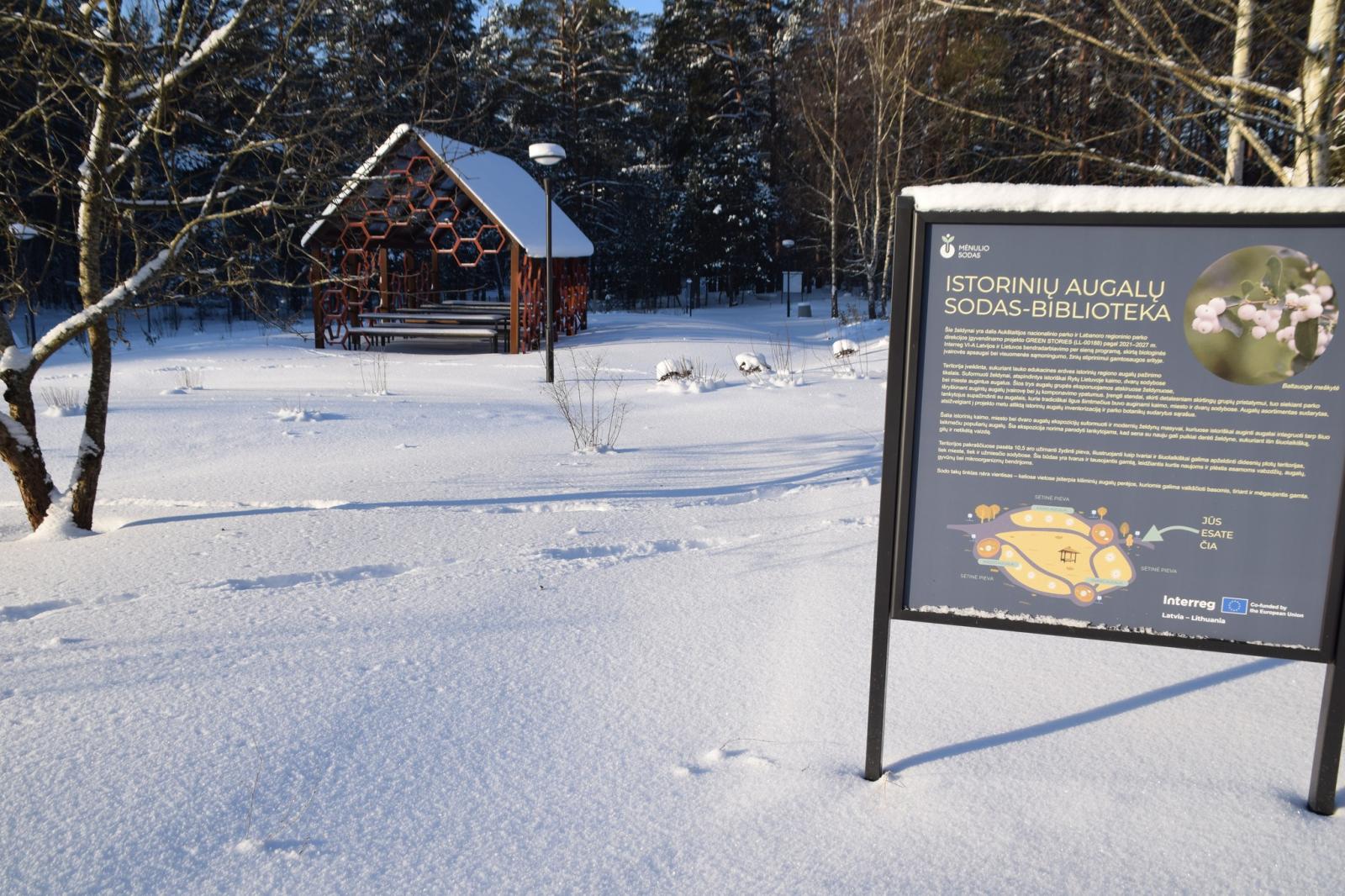
The garden has three different green spaces, reflecting the historical range of plants in Eastern Lithuania, compiled based on an inventory conducted by park naturalists:
The manor plant green space features species that once adorned the manors of this region, such as Pikaunės or Padvarės. Here you will see not only garden jasmines or fluffy lilacs, but also magnificent peonies, common whiteheads, zinnavads, cauldrons, blue slipper lilies, medicinal white roots, creeping carnations and ancient roses.
The space of the village plant green space is dedicated to plants that had symbolic meaning for our ancestors. In addition to green rue and dayberry, medicinal hyssop (blackthorn), fragrant mallow, pentines and medicinal smidr grow here.
The harmony of history and modernity in urban greenery shows how old plants, such as daylilies, daisies, rudbeckia glabra, or pink-flowered echinacea, can blend perfectly with modern varieties, creating a modern, deep, and unexpected look.

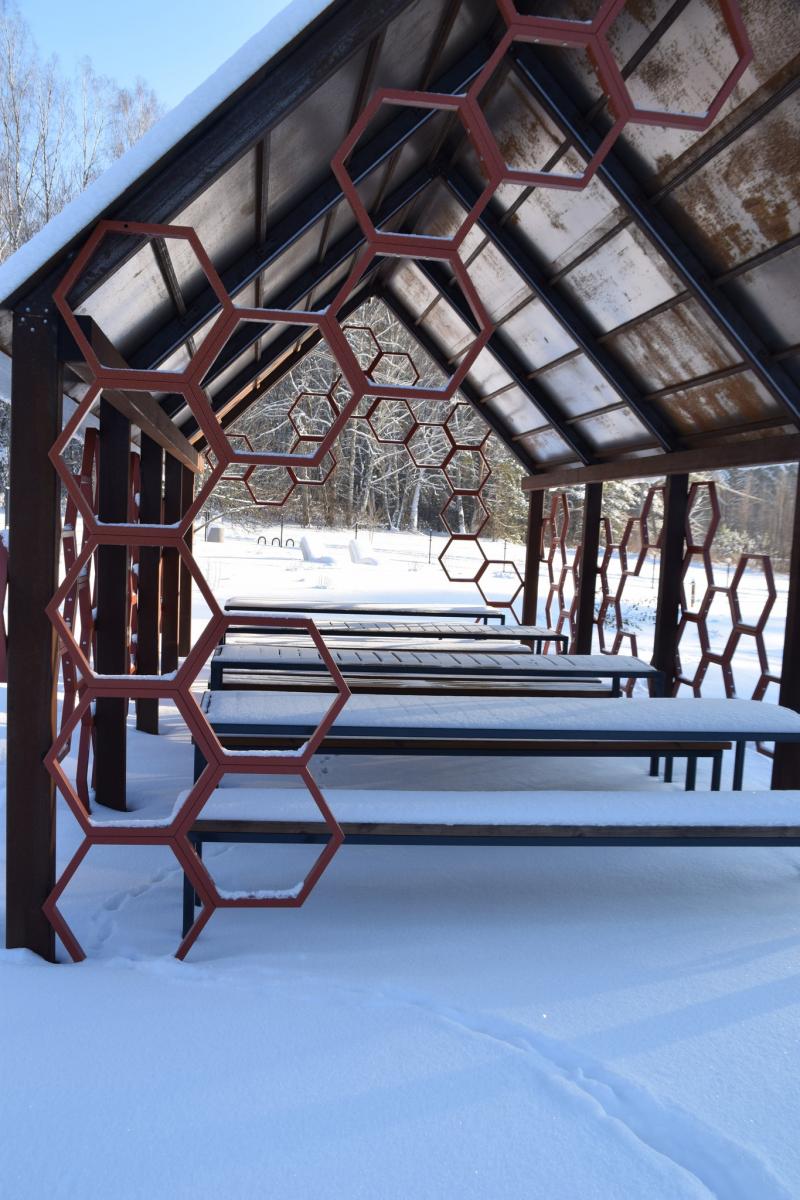
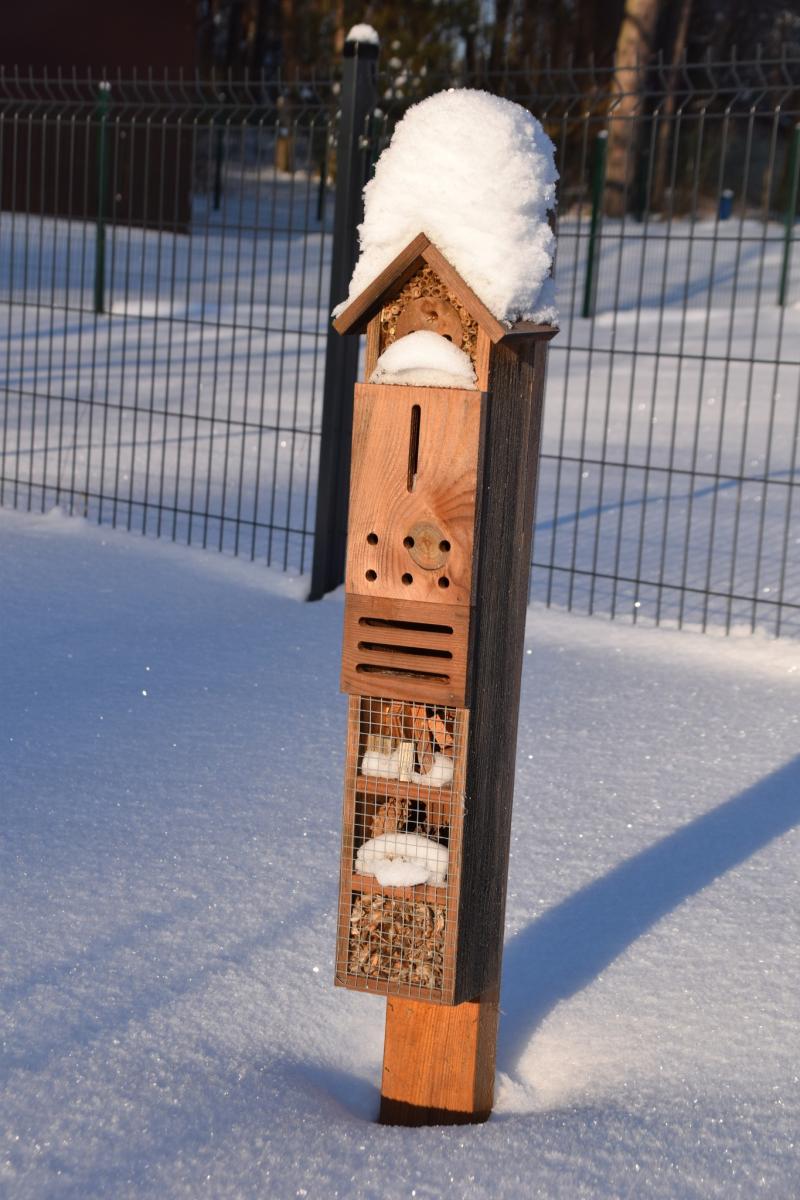
The garden was created not only for viewing, but also for full-fledged relaxation. For the convenience of visitors, an open outdoor education space under a roof has been installed, and information stands with detailed descriptions of the greenery have been erected. Those who wish to take a break can use comfortable benches and loungers, and those who come by bicycle - special stands. The garden ecosystem is complemented by "small residents", for whom insect hotels and bumblebee houses have been installed. Already in the first months, a great diversity of wildlife was observed in the garden: nesting birds, butterflies and other insects flying from flower to flower, settled toads, and curious snakes.
With the weather warming up, big news awaits the garden. As soon as the frost disappears, construction of a special dome will begin in the nearby pine forest. It will house a modern educational space and the mysterious Moon laboratory, which will further expand the horizons of knowledge.
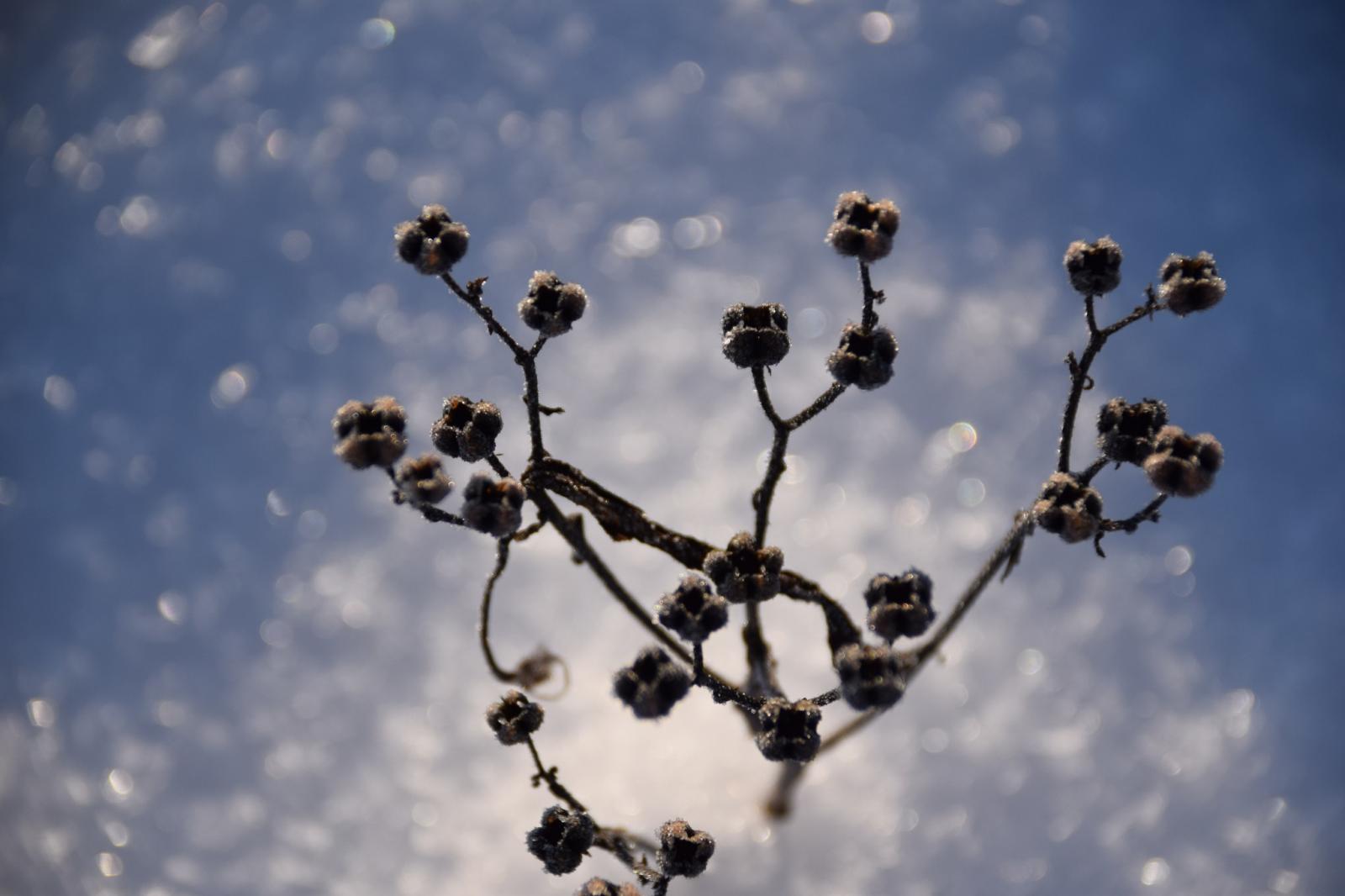
Although the garden is sleeping now, an enormous force is hiding under the snow. Last fall, over three thousand bulbous flower bulbs were planted here. From early spring, the garden will be painted with an incredible abundance of colors. Visitors can expect a real explosion of flowers: classic tulips and daffodils, snowdrops, scylles and bluebells that amaze with their fragility, mysterious daisies and snowdrops, bright crocuses and ornamental garlic that climb upwards. This will be the garden's first spring celebration, illustrating how rich and diverse the greenery of our land can be.
We invite everyone to visit in the spring, when the garden awakens, to breathe in its peace and bring ideas for your own home gardens. And for now, let's let this valuable exhibition rest under the winter blanket. Let's be attentive and responsible guardians of this fragile history.

These green spaces are part of the GREEN STORIES (LL-00188) project implemented by the Aukštaitija National Park and Labanoras Regional Park Directorate, funded under the 2021–2027 Interreg VI-A Latvia-Lithuania Cross-Border Cooperation Programme, aimed at protecting biodiversity and strengthening public awareness and knowledge in the field of nature conservation.
.jpg)