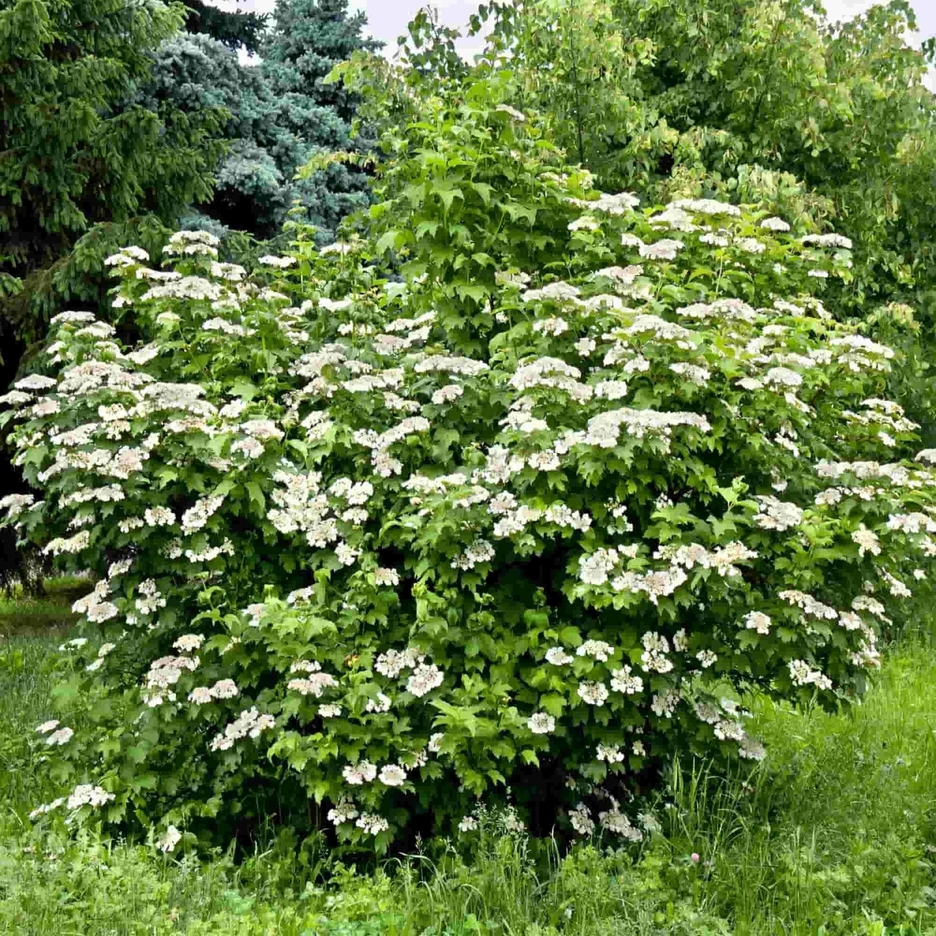
• Perennial ornamental and medicinal shrub
• Blooms: May–June.
• Red ornamental berries
• Favorite of birds
Snowdrop is a shrub that has been growing in Europe for a long time, often found in moister forests, along river banks, and around homesteads. Its bright red berries and white inflorescences have made the snowdrop not only an ornamental plant, but also a plant often mentioned in folklore.
Snowdrops were grown in the gardens of monasteries and manors for both their beauty and medicinal properties. The bark and berries were used in folk medicine, and the decorative inflorescences adorned the edges of gardens and around water bodies.
In rural homesteads, snowberry often grew along fences, at the edges of gardens, or near wells. In autumn, its bright berries added color to the surroundings, and in winter, they remained an important source of food for birds.
In urban areas, snowdrops were planted in parks and public gardens. They suited more natural-style landscaping and blended well with other native shrubs.
In Eastern Aukštaitija, snowberry was a well-known plant. It was often mentioned in folk songs and stories, and was grown on homesteads as a beautiful and useful shrub.
Today, the common snowberry continues to be valued for its decorative flowers, bright berries, and importance in the traditional landscape.