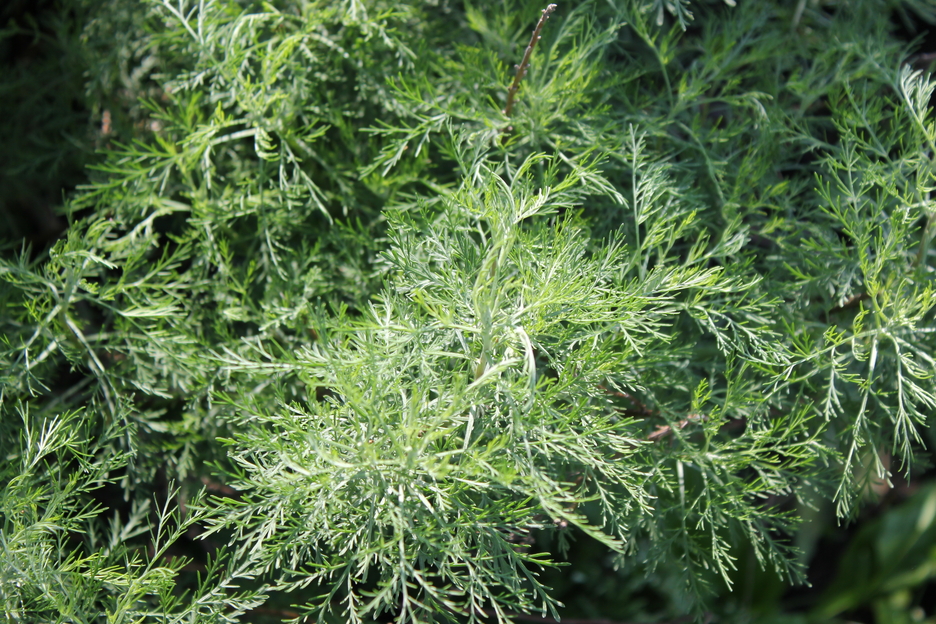
Common daylily is one of the oldest and most common aromatic plants in Lithuanian flower nurseries. Its homeland is considered to be Southern Europe and the Mediterranean region, from where it spread to many European countries in ancient times. In the Middle Ages, daylily was widely grown in monastery gardens as a medicinal and spice plant. From the gardens of monasteries and manors, it gradually found its way to towns and rural homesteads, where it eventually became a regular part of nurseries.
As early as the late 17th century, botanist Stanislovas Boniface Jundzilas wrote that daylilies were grown in almost every homestead in Lithuania. This shows that this plant has long been an integral part of the traditional homestead environment.
The lemon tree was valued for its strong, pleasant scent and various practical properties. Dried lemon tree twigs emit a delicate lemon aroma, so they were used not only for medicine, but also to perfume homes or clothes. Its twigs were sometimes placed in closets or chests, in the belief that the scent would protect clothes from moths. The fragrant aroma of the lemon tree was also considered protective against diseases and various misfortunes. In folk medicine, the plant was used to treat various ailments and strengthen the body.
In manor gardens, the daylily was usually grown among other medicinal and spice plants. Sometimes it was also planted for decorative purposes - because of its finely cut, gray-green leaves, which gave lightness and contrast to flower beds. Town dwellers also grew the daylily in small nurseries or near their homes, but this plant gained its real popularity in rural homesteads.
In village nurseries, the daylily was usually planted along paths, at the edge of the nursery or near the fence. Sometimes it was formed into small bushes, which not only emitted a pleasant scent, but also gave the nursery structure. Unlike some brightly blooming flowers, the daylily was valued not for its flowers, but for its decorative leaves and aroma. It went well with other traditional nursery plants - rue, lilies or peonies.
The sycamore tree also had a symbolic meaning in folk culture. In some areas of Lithuania, it was considered a protective plant, protecting homes from misfortunes or evil spirits. Its branches were sometimes used in various rituals or kept in the home as a kind of talisman. Although these beliefs have almost disappeared today, they show that the sycamore tree was not only an ornamental or medicinal plant, but also an important part of traditional life.
In Eastern Aukštaitija, the dayberry was one of the most commonly found nursery plants. In old homesteads, it often grew next to the ruts or right next to the wall of the house. Due to its resistance and unpretentiousness, this plant could grow in one place for many years, so it often became a kind of witness to the antiquity of the homestead. Even after the kindergartens had fallen into disrepair or the environment of the homesteads had changed, the dayberry bushes sometimes remained as a trace of the old kindergartens.
Today, the daylily is gradually being rediscovered as a plant that not only adds fragrance and decorativeness to the nursery, but also a connection to the old Lithuanian nursery tradition.