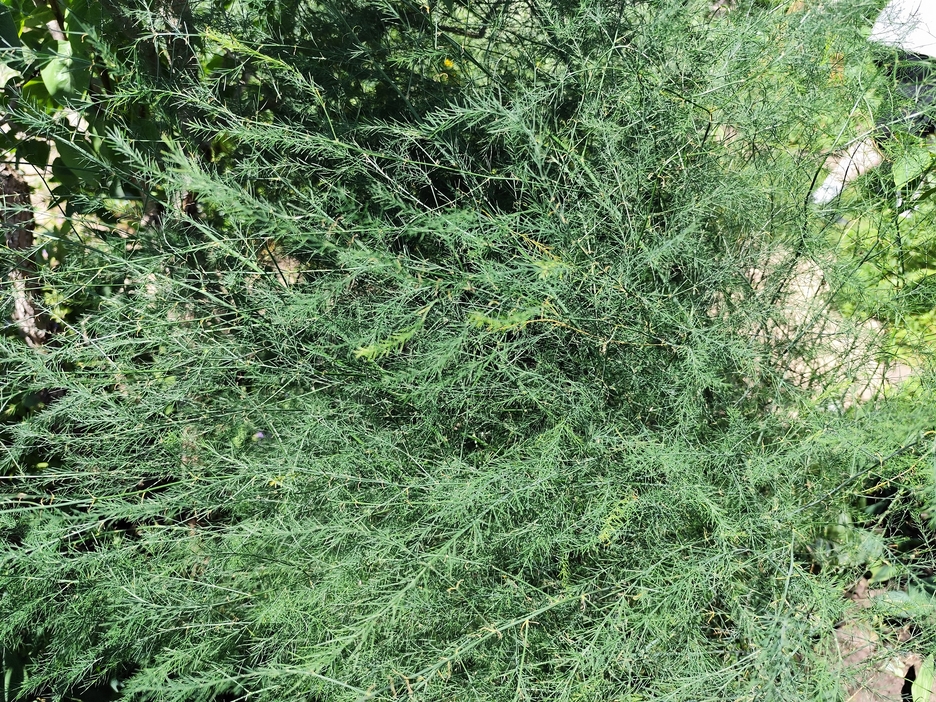
The medicinal plant is an old European garden plant, valued not only for its nutritional properties, but also for its distinctive appearance. Its origin is associated with the Mediterranean region and Western Asia, where it grew naturally in meadows and river valleys. In ancient Greece and Rome, this plant was considered a valuable vegetable, and in the Middle Ages it spread to monastery gardens as a food and medicinal plant.
The young shoots of the smidra tree emerging from the ground in spring were considered a delicacy, so the plant was long cultivated primarily for its nutritional value. In folk medicine, smidra was also associated with body-strengthening properties. However, over time, the decorative appearance of the plant also came to be appreciated - the light, finely branched foliage gave gardens and nurseries a softness and lightness.
In manor gardens, smidras usually grew in vegetable gardens or next to other useful plants, but their openwork charms also fit perfectly in flower beds. Smidras especially highlighted the blossoms of larger flowers - peonies, lilies or roses - so over time their branches began to be used for bouquets and various flower arrangements. In the 19th century. such use became especially popular.
In rural homesteads, smidras were not as common as rues or peonies, but they were well known in many areas. Sometimes grown in gardens as a food plant, they gradually appeared in flower nurseries. Their light, feathery stems beautifully complemented the compositions of other plants and gave the garden a light openwork look. Most often, smidras grew on the edges of the garden or near the fence, where they could spread freely.
In urban environments, the smidras were also valued for their decorative appearance. Their branches were often used in bouquets, especially when combined with large-flowered flowers. As a result, smidras were often planted near houses or in small nurseries, so that the greenery could be harvested for decoration when needed.
In Eastern Aukštaitija, smidras usually grew together with other plants in traditional nurseries. Due to their resilience and longevity, they could grow in one place for many years. Even after the old nurseries fell into disrepair, the charm of smidras sometimes remained as a silent sign of the former homestead.
Today, medicinal smidr is more often grown as a vegetable, but in the environment of old nurseries it is increasingly remembered as an ornamental plant. Its light, openwork foliage and natural harmony with other traditional flowers allow smidr to remain a unique plant, combining practical benefits and the aesthetics of old nurseries.